check

check

check

check

check

check
In the realm of industrial automation, precision and reliability are paramount. Among the myriad components that ensure seamless operations, limit switches stand out as critical devices for controlling machinery and enhancing safety. Specifically, GE limit switches have garnered significant attention for their robust performance and versatility in various applications. This article delves into the fundamentals, advantages, and practical uses of these switches, shedding light on why they are a preferred choice in modern industries.
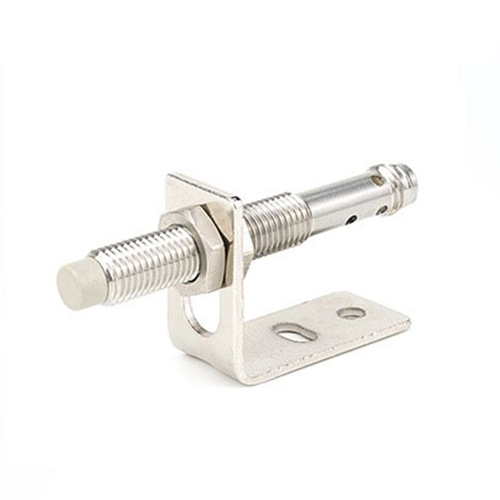
A limit switch is an electromechanical device designed to detect the presence or absence of an object, or to monitor the position of a machine part. It operates by activating or deactivating an electrical circuit when a physical contact is made or broken. GE limit switches, manufactured by General Electric, are engineered to meet stringent industrial standards, offering durability and accuracy in harsh environments. These switches come in diverse configurations, including rotary, plunger, and lever types, each tailored to specific operational needs. For instance, in conveyor systems, they can halt movement when an item reaches a designated point, preventing jams and damage.
One of the key benefits of GE limit switches is their exceptional build quality. Constructed from materials like stainless steel or rugged plastics, they resist corrosion, moisture, and extreme temperatures, ensuring longevity even in demanding settings such as manufacturing plants or outdoor installations. This resilience translates to reduced downtime and maintenance costs, as the switches can withstand repetitive use without frequent failures. Moreover, their simple design facilitates easy installation and integration into existing control systems, making them accessible for both seasoned engineers and technicians.
Beyond durability, GE limit switches enhance safety by providing reliable feedback on machine positions. In automated assembly lines, they help prevent over-travel of robotic arms, which could lead to collisions or injuries. By signaling when a component has reached its limit, these switches enable precise control, contributing to smoother workflows and higher productivity. Additionally, they are often used in safety interlocks, where they ensure that doors or guards are properly closed before machinery starts, mitigating risks to personnel.
The applications of GE limit switches span across industries. In the automotive sector, they monitor the positioning of parts during welding or painting processes. In packaging, they regulate the filling and sealing of containers to maintain consistency. Even in renewable energy, such as wind turbines, they assist in blade pitch control to optimize performance. Their adaptability is further amplified by compatibility with programmable logic controllers (PLCs), allowing for sophisticated automation sequences that boost efficiency.
When selecting a GE limit switch, factors like actuation force, electrical rating, and environmental conditions should be considered. Regular inspection and testing are recommended to uphold performance, as wear and tear can affect sensitivity over time. By investing in high-quality switches like those from GE, businesses can achieve a balance of cost-effectiveness and operational excellence.
In summary, GE limit switches are indispensable tools in industrial automation, offering reliability, safety, and versatility. Their ability to deliver consistent performance under pressure makes them a cornerstone of modern engineering, driving innovation and productivity forward. As industries continue to evolve, these switches will remain vital for ensuring precise control and safeguarding both equipment and workers.