check

check

check

check

check

check
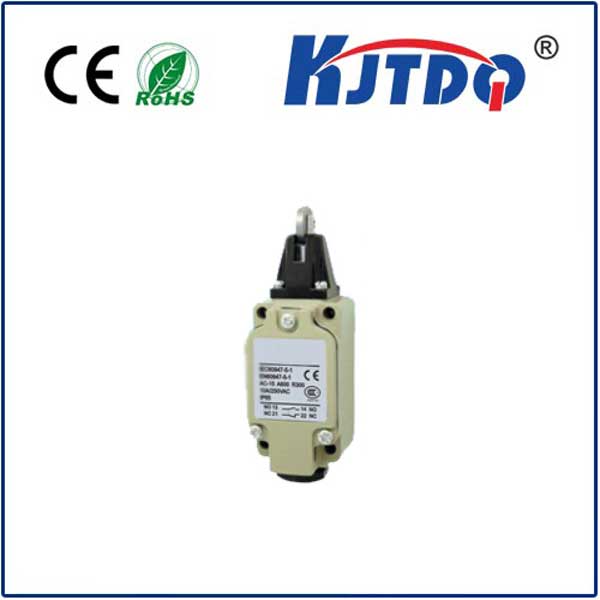
In the dynamic world of industrial automation and material handling, the seamless and safe operation of conveyor systems is paramount. At the heart of ensuring this reliability lies a critical, yet often understated component: the conveyor limit switch. This device serves as the vigilant guardian of your production line, preventing mechanical overtravel, protecting equipment, and safeguarding personnel. Unlike basic sensors, a limit switch is a robust electromechanical device designed to detect the presence or absence of an object, or to monitor the position of machinery, by physically making or breaking an electrical contact.
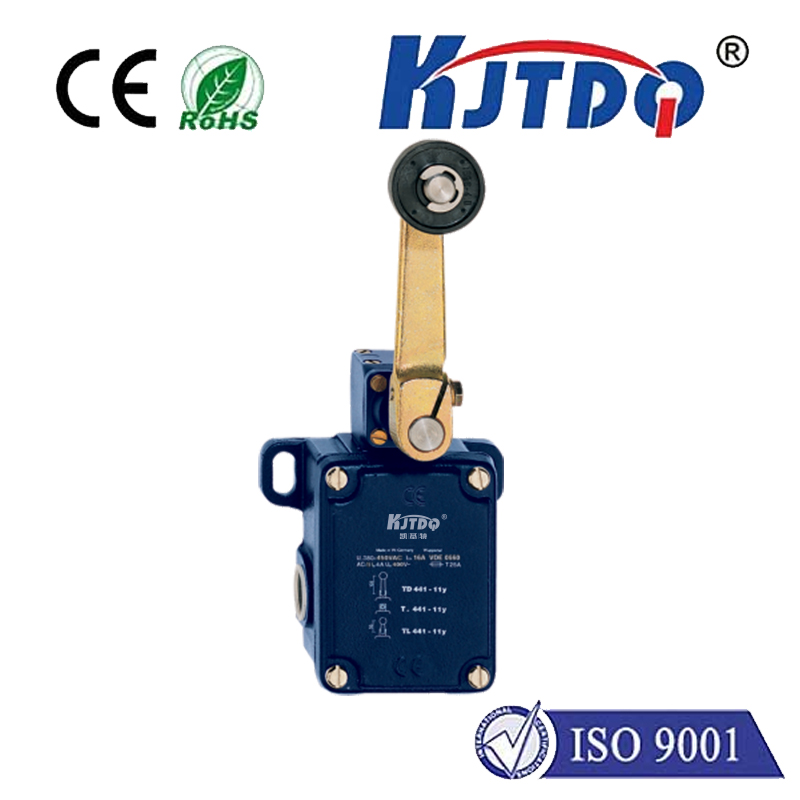
The fundamental operation of a conveyor limit switch is elegantly simple. It is strategically installed at predetermined points along a conveyor's path. When a moving part, such as a trolley, cart, or the conveyor belt itself, reaches a specific limit, it physically actuates the switch's lever, roller, or plunger. This actuation triggers an immediate change in the switch's internal electrical circuit. This signal is then sent to the conveyor's control system—typically a Programmable Logic Controller (PLC)—which interprets the command. The PLC can then execute a pre-programmed action, such as stopping the conveyor, reversing its direction, activating an alarm, or initiating the next sequence in a automated process. This precise control is indispensable for coordinating complex material flow, enabling functions like precise positioning for loading/unloading, sorting, and zone control.
The benefits of integrating high-quality conveyor limit switches are substantial and multifaceted. Primarily, they are a cornerstone of operational safety. By preventing equipment from moving beyond its intended physical boundaries, they eliminate the risk of catastrophic collisions, derailments, or mechanical jams that could lead to costly damage and dangerous situations for workers. This proactive damage prevention translates directly into reduced downtime and lower maintenance costs, maximizing overall equipment effectiveness (OEE). Furthermore, limit switches enhance process efficiency by enabling automated sequencing. They ensure that operations only proceed when the previous step is confirmed complete, creating a smooth, synchronized, and predictable workflow. This eliminates manual intervention errors and optimizes throughput.
When selecting the appropriate conveyor limit switch for an application, several crucial factors must be considered to ensure longevity and reliability. The industrial environment is often harsh, exposing components to dust, moisture, vibration, and extreme temperatures. Therefore, the switch's ingress protection (IP) rating is critical. A high IP rating (e.g., IP67) indicates superior sealing against dust and water ingress. The mechanical durability of the actuator (lever, roller, etc.) and the housing material (often metal or high-grade plastic) must withstand repeated physical contact and potential impacts. Electrical specifications, such as voltage, current rating, and contact configuration (normally open or normally closed), must be compatible with the control system. Finally, the type of actuator should match the mechanical motion it needs to detect—a roller lever for linear motion, a wobble stick for omnidirectional contact, or a plunger for precise linear actuation.
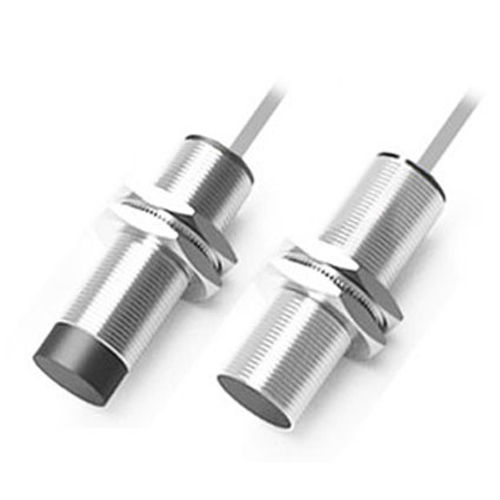
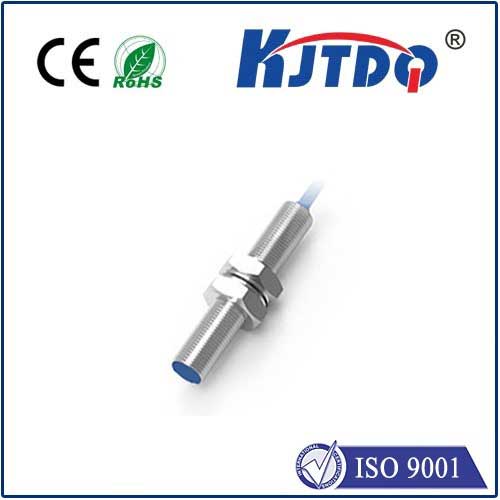
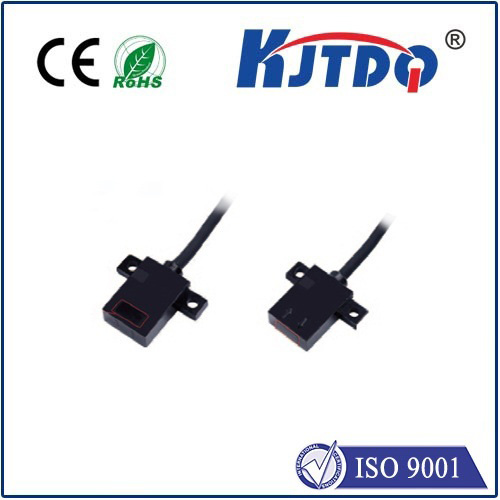
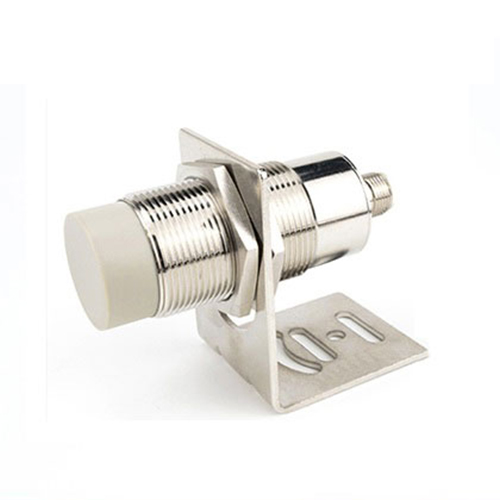
Modern advancements have expanded the capabilities of traditional limit switches. While electromechanical switches remain highly popular for their simplicity, robustness, and direct feedback, proximity switches (inductive or capacitive) offer a non-contact alternative. These are ideal for applications where physical contact is undesirable or where high-speed detection is needed. However, for many conveyor applications, the physical certainty and cost-effectiveness of a well-designed electromechanical limit switch make it the preferred choice. Proper installation and routine maintenance are key to sustained performance. Switches should be securely mounted to prevent misalignment, and their actuation points should be regularly checked and calibrated to ensure they trigger at the correct position. A periodic inspection for wear on the actuator and housing integrity can prevent unexpected failures.
In conclusion, the conveyor limit switch is far more than a simple on/off trigger. It is an essential component for building intelligent, safe, and efficient material handling systems. By providing reliable positional feedback, it forms the critical link between mechanical movement and electronic control. Investing in the right limit switch, tailored to the specific demands of the operating environment, is an investment in preventing costly downtime, protecting valuable assets, and ensuring a safer workplace. For any operation relying on conveyor technology, understanding and implementing these devices correctly is a fundamental step toward achieving peak industrial performance and operational resilience.