check

check

check

check

check

check
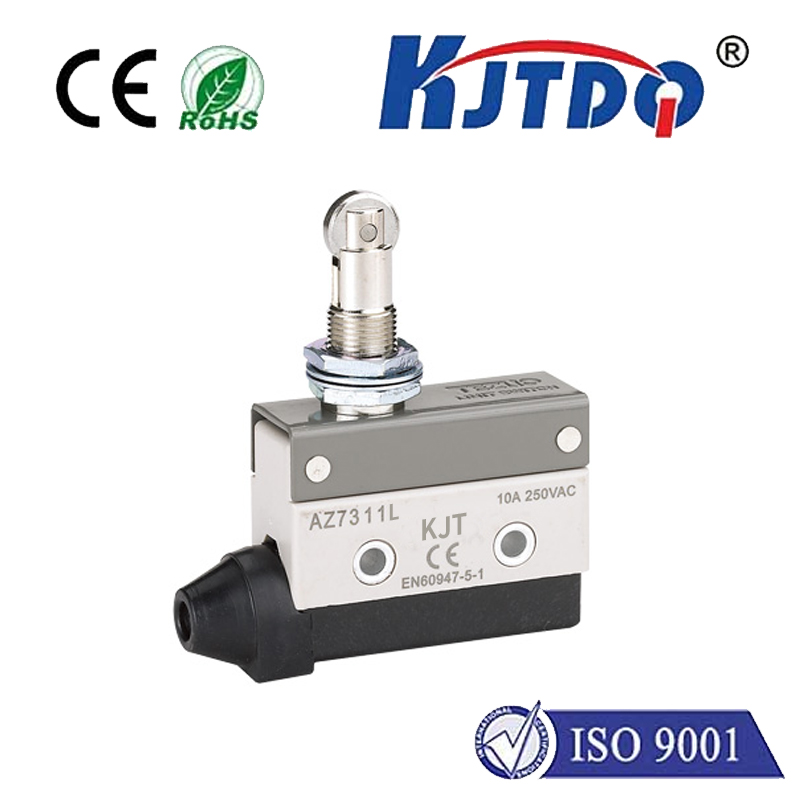
In the world of industrial automation, precision and reliability are non-negotiable. Among the myriad of components that ensure seamless operations, the limit switch proximity sensor stands out as a critical element. This device, often referred to simply as a proximity sensor or limit switch, plays a pivotal role in detecting the presence or absence of an object without physical contact, thereby triggering specific actions within a machinery system. Its importance cannot be overstated, as it directly impacts safety, efficiency, and productivity in manufacturing environments.
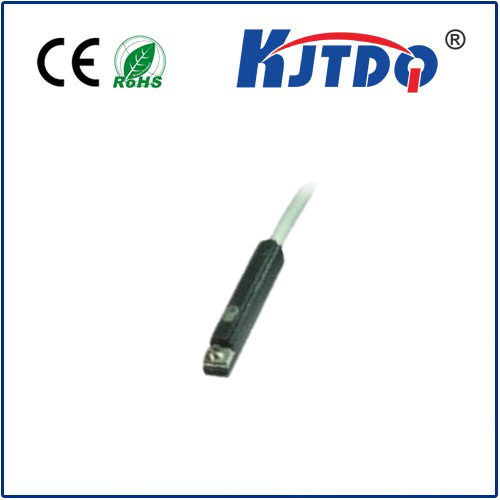
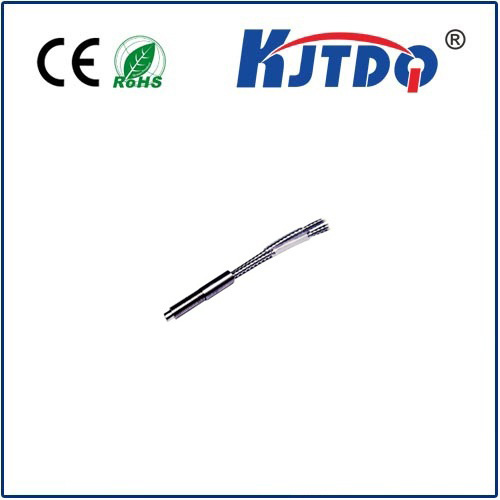
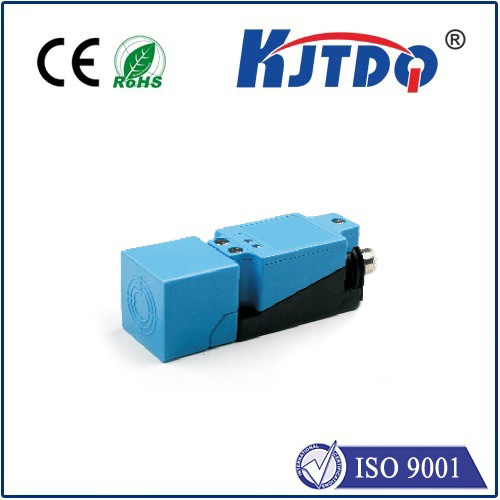
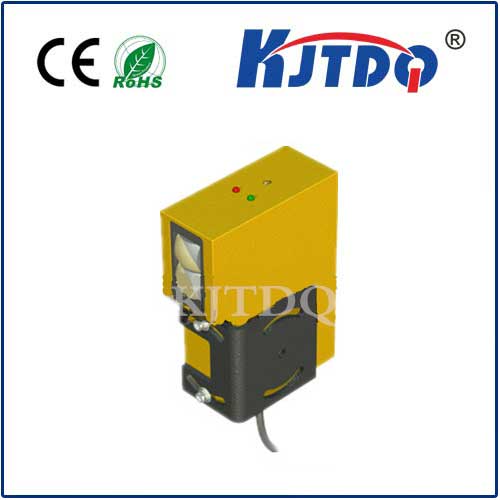
A limit switch proximity sensor operates on the principle of electromagnetic fields, inductive sensing, or capacitive technology. When an object enters its detection range, the sensor's internal mechanism is activated, sending an electrical signal to the control unit. This signal can halt a machine's movement, initiate a new process, or provide positional feedback. For instance, in conveyor belt systems, these sensors ensure that items are correctly aligned and prevent jams by stopping the belt when an object is mispositioned. In robotic arms, they define the exact points of movement, enabling precise and repeatable actions. The versatility of limit switch proximity sensors makes them indispensable across various industries, including automotive, packaging, food processing, and pharmaceuticals.
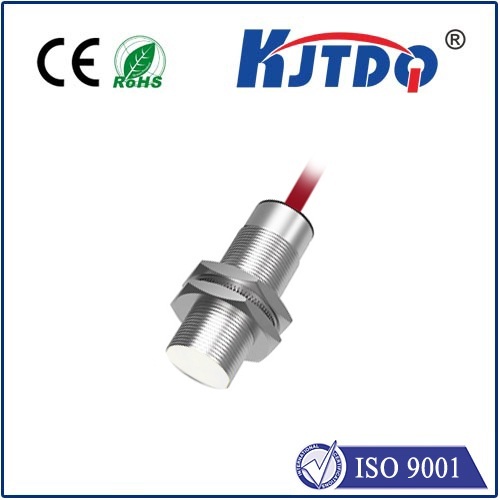
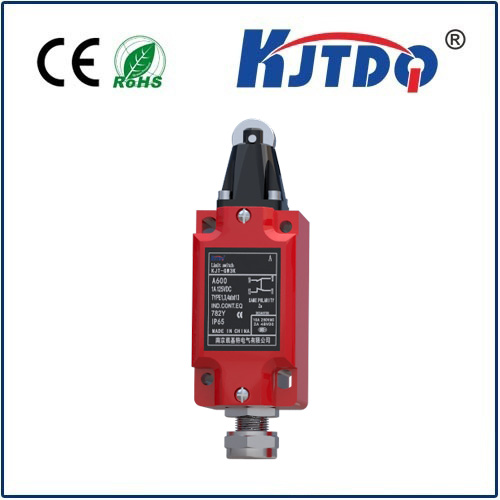
One of the key advantages of using a high-quality limit switch proximity sensor is its durability. Designed to withstand harsh industrial conditions—such as extreme temperatures, dust, moisture, and vibration—these sensors offer long-term performance with minimal maintenance. Unlike mechanical limit switches that rely on physical contact and are prone to wear and tear, proximity sensors provide a non-contact solution, reducing downtime and operational costs. This non-contact nature also eliminates the risk of damage to both the sensor and the target object, ensuring smoother and safer operations. Additionally, modern limit switch proximity sensors come with advanced features like adjustable sensing ranges, LED indicators for status monitoring, and robust housing materials like stainless steel or nickel-plated brass, enhancing their adaptability to diverse applications.
When selecting a limit switch proximity sensor for your automation needs, several factors must be considered to ensure optimal performance. First, determine the sensing distance required for your application; this varies based on the sensor type, such as inductive sensors for metal objects or capacitive sensors for non-metallic materials. Next, consider the environmental conditions—if the sensor will be exposed to chemicals or high humidity, choose a model with appropriate ingress protection (IP) ratings. The output type is another crucial aspect: sensors can provide digital signals (e.g., PNP or NPN) or analog outputs, depending on the control system's requirements. Installation and wiring should also be straightforward, with options for threaded barrels or modular designs that simplify integration into existing setups. By carefully evaluating these parameters, you can maximize the sensor's efficiency and extend its lifespan.
In practice, the implementation of limit switch proximity sensors has revolutionized industrial automation. Take, for example, a bottling plant where sensors detect bottles on a filling line, ensuring each one is properly filled and capped before moving to the next stage. In automotive assembly, they verify the placement of components like doors or engines, preventing defects and enhancing quality control. The data collected from these sensors can be integrated into IoT systems for real-time monitoring and predictive maintenance, allowing operators to address potential issues before they lead to costly breakdowns. This proactive approach not only boosts productivity but also supports sustainable practices by reducing waste and energy consumption.
Despite their robustness, limit switch proximity sensors are not immune to challenges. Common issues include false triggering due to electromagnetic interference, misalignment from vibration, or reduced sensitivity over time. To mitigate these problems, regular calibration and maintenance are essential. Follow manufacturer guidelines for cleaning and inspection, and ensure proper shielding in electrically noisy environments. Upgrading to sensors with higher frequency ranges or noise immunity features can also improve reliability. By staying vigilant and adopting best practices, you can maintain peak sensor performance and avoid disruptions in your automation processes.
Looking ahead, the future of limit switch proximity sensors is bright, driven by advancements in smart technology and Industry 4.0 trends. Innovations such as miniaturization, wireless connectivity, and enhanced sensing capabilities are making these devices more efficient and versatile. For businesses aiming to stay competitive, investing in reliable limit switch proximity sensors is a strategic move that pays dividends in operational excellence. Whether you're upgrading an old system or designing a new one, understanding the fundamentals of these sensors will empower you to make informed decisions and achieve seamless automation.
In summary, the limit switch proximity sensor is a cornerstone of modern industrial automation, offering unmatched precision, durability, and versatility. By leveraging its non-contact detection and robust design, industries can enhance safety, reduce costs, and drive innovation. As technology evolves, these sensors will continue to play a vital role in shaping the factories of tomorrow, making them a key component for anyone serious about optimizing their automation infrastructure.