check

check

check

check

check

check
In the world of access control and industrial automation, the reliability of a system hinges on the performance of its most fundamental components. Among these, the limit switch door sensor stands as a critical yet often overlooked element. This device serves as the primary sentinel, providing definitive, on/off feedback about the position of a door, gate, or access panel. Its function is elegantly simple: to detect whether an opening is fully closed, fully open, or sometimes, at a specific intermediate point. This binary signal forms the backbone of safety interlocks, security systems, process automation, and energy management protocols.
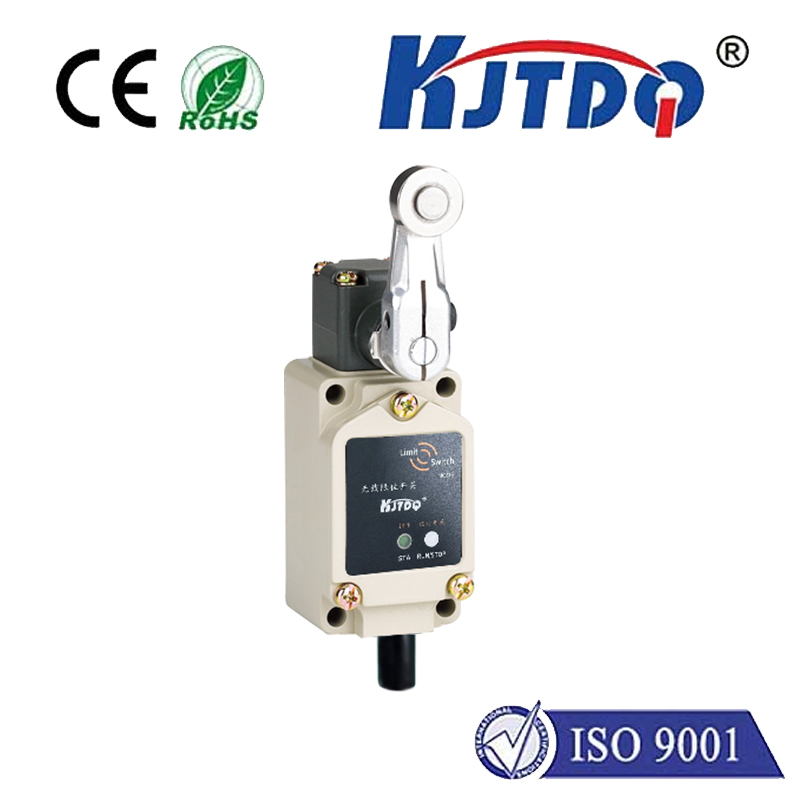
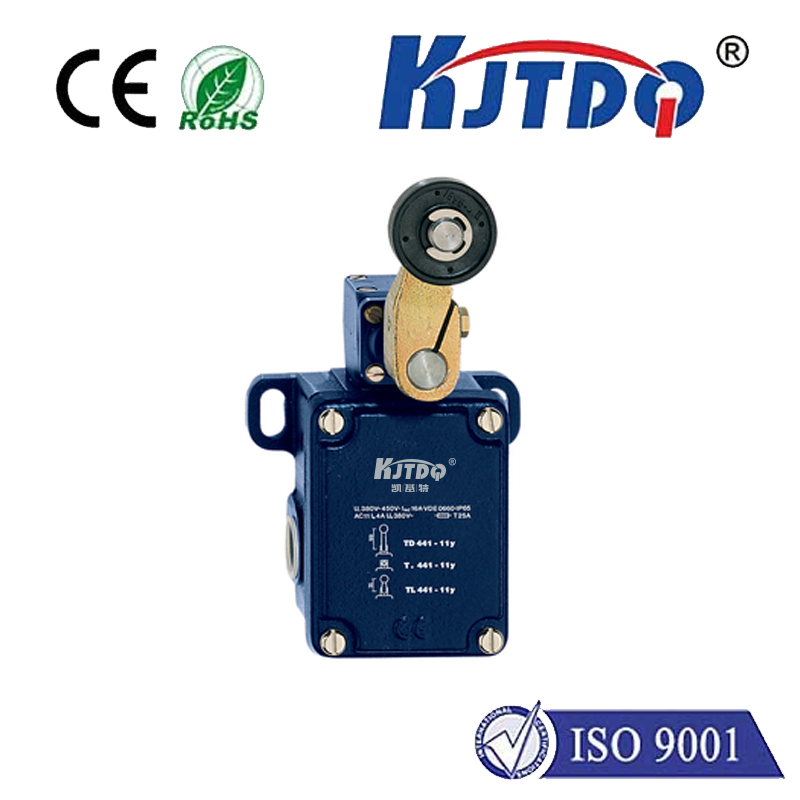
Unlike more complex proximity or photoelectric sensors, a mechanical limit switch operates on direct physical contact. A spring-loaded actuator, often a lever, roller, or plunger, is depressed or released by the movement of the door. This action physically opens or closes an internal electrical circuit. This straightforward electromechanical principle is its greatest strength, offering high repeatability, immunity to environmental interference like dust, oil, or light, and the ability to switch relatively high currents directly without additional amplifiers. In harsh industrial environments—from manufacturing plants with heavy machinery to warehouse loading docks—this robustness is indispensable. A conveyor system, for instance, may rely on a limit switch to confirm a safety guard is in place before operation can commence, preventing catastrophic accidents.
For security applications, the integration of a limit switch door sensor is paramount. In monitored alarm systems, these sensors are typically wired into a circuit that remains closed when the door is shut. An unauthorized opening breaks this circuit, triggering an immediate alert. Their reliability is superior to many wireless or magnetic contact sensors in scenarios where absolute certainty and tamper-resistance are required, as the physical mounting and actuation are inherently more secure against manipulation. Furthermore, in automated building management, these sensors provide the essential data to control HVAC systems, ensuring climate control is active only when doors are securely closed, leading to significant energy savings.
The selection of the appropriate limit switch is crucial for long-term performance. Key considerations include the mechanical life expectancy (often in millions of cycles), electrical rating (voltage and current of the load), the type of actuator (lever for sweeping motions, plunger for direct linear movement), and the housing's Ingress Protection (IP) rating for dust and water resistance. For exterior doors, a high IP rating is non-negotiable. Installation precision is equally important; the switch must be aligned so the actuator is fully engaged in the "closed" position without being over-traveled, which can cause premature wear. Properly installed, a high-quality limit switch can operate flawlessly for years with minimal maintenance.
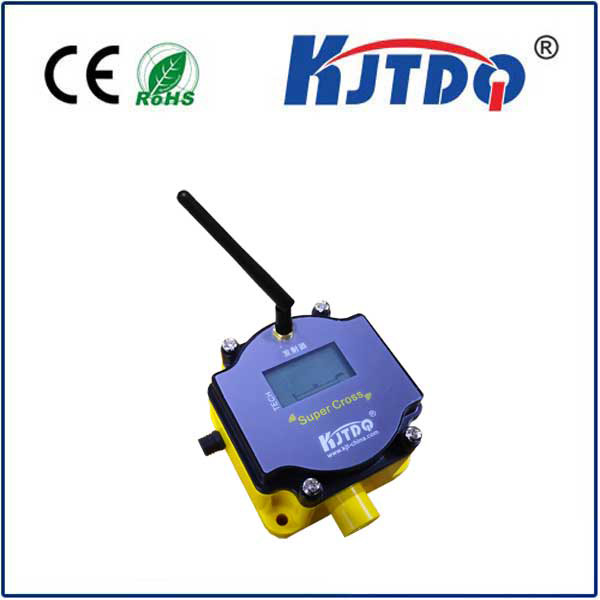
Modern advancements have not left the traditional limit switch behind. Sealed models with polymer housings resist corrosive chemicals, while designs with gold-plated contacts ensure signal integrity for low-power electronic circuits. They are also increasingly integrated into networked IoT systems, where their simple status is communicated via a controller to provide data for predictive maintenance and operational analytics. However, the core principle remains unchanged: providing a definitive, hard-wired truth about the state of a physical barrier.
In conclusion, while the technology may seem elementary, the limit switch door sensor is a cornerstone of safety, security, and efficiency. Its value lies in its unwavering simplicity and proven reliability. For engineers, facility managers, and security professionals, specifying and maintaining the correct limit switch is not a minor detail—it is a fundamental decision that protects assets, ensures operational continuity, and safeguards personnel. In an era of increasing automation, this humble component continues to play an irreplaceable role in the seamless and secure operation of doors and access points across countless industries.