check

check

check

check

check

check
In the realm of industrial automation, precision control and reliable operation are paramount. The rotating cam limit switch, a fundamental component in countless machinery and process control systems, stands as a critical device for ensuring these requirements are met. This electromechanical workhorse provides a robust and time-tested method for controlling the movement of equipment by defining specific start and stop points, or sequences, based on rotational position.
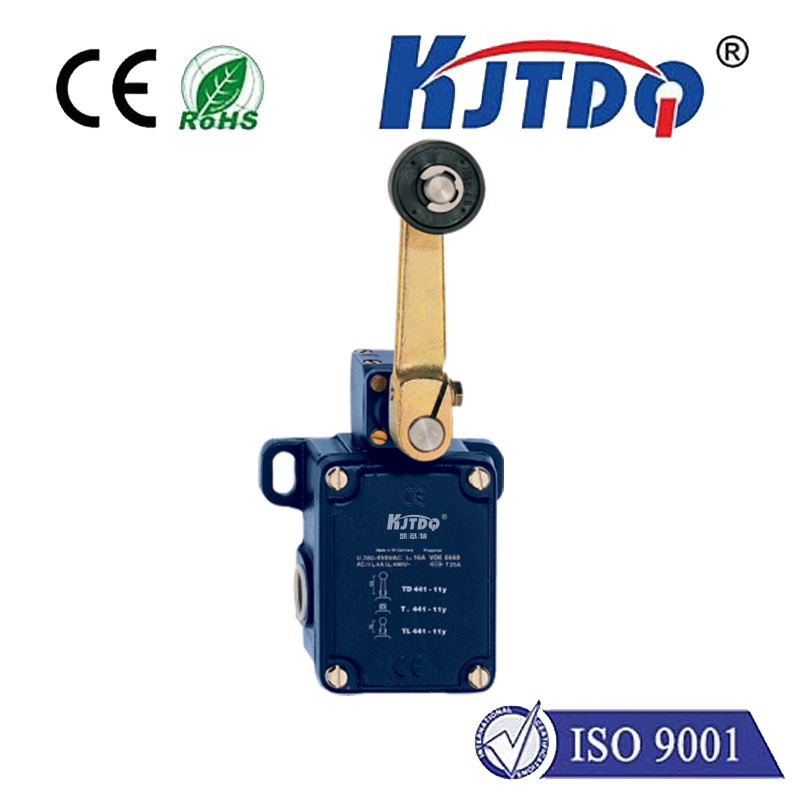
At its core, a rotating cam limit switch consists of a shaft-driven cam mechanism that actuates one or more snap-action switches. As the driven shaft rotates, the carefully profiled cams engage with the switch actuators. The angular position of these cams on the shaft can be precisely adjusted, allowing engineers to set the exact points at which electrical circuits are opened or closed. This simple yet effective principle translates rotational motion into definitive electrical signals, enabling automated control over machine cycles, travel limits for hoists and conveyors, and sequential operations in packaging, material handling, and metalworking equipment.
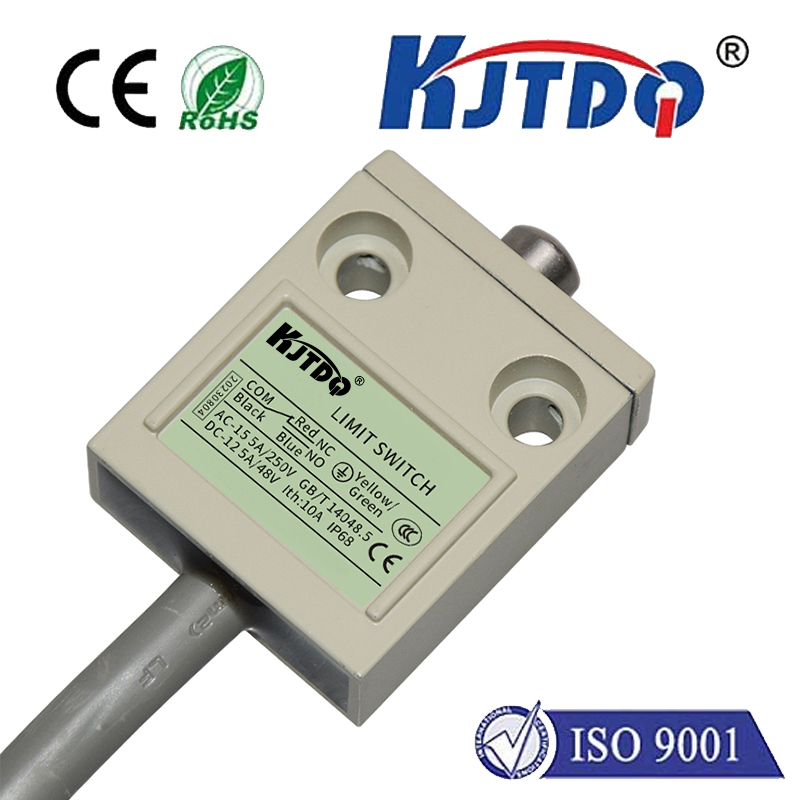
The designation KJTDQ often refers to specific product series or models from manufacturers, highlighting features like enhanced durability, specific ingress protection (IP) ratings for harsh environments, or particular contact configurations. These switches are engineered for resilience. Housings are typically constructed from robust materials like die-cast aluminum or engineered plastics, offering resistance to dust, oil, and moisture. The internal switches are designed for millions of operational cycles, ensuring long-term reliability with minimal maintenance. This durability makes them indispensable in demanding settings such as steel mills, wastewater treatment plants, and heavy-duty manufacturing lines where environmental challenges are constant.
One of the primary advantages of the rotating cam design is its exceptional accuracy and repeatability. Once the cams are set to the desired angles, the switch provides consistent actuation at those precise points every cycle. This eliminates drift and variability common in some purely electronic sensors, contributing to consistent product quality and process stability. Furthermore, these switches offer direct, intuitive setup and troubleshooting. Technicians can physically observe the cam positions and switch states, facilitating quick adjustments and diagnostics without specialized programming tools. This simplicity reduces downtime and training costs.
While modern proximity sensors and encoders offer alternative solutions, the rotating cam limit switch maintains a strong competitive edge in many applications. Its inherent immunity to electrical noise, magnetic fields, and temperature fluctuations—common in industrial environments—ensures fail-safe operation. It provides a direct physical interface with the machinery, offering a level of certainty that is sometimes preferred for critical safety interlocks or emergency stop sequences. The technology represents a perfect synergy of mechanical precision and electrical control.
When selecting a rotating cam limit switch for an application, several factors must be considered. The required number of switching points (cams) and circuits, the operational speed of the shaft, the mechanical torque needed to drive the cam assembly, and the electrical load rating of the contacts are all crucial specifications. Environmental conditions dictate the necessary sealing (IP rating) and material composition. For instance, food and beverage processing may require stainless steel housings, while foundries might need high-temperature variants.
Installation and maintenance are straightforward but vital for optimal performance. Proper shaft coupling alignment is essential to prevent binding and premature wear. Regular inspection schedules should include checking for loose mounting hardware, verifying cam setting integrity, and ensuring the switch enclosure remains sealed against contaminants. Lubrication of the shaft bearing, if specified by the manufacturer, should be performed periodically to ensure smooth rotation.
In conclusion, the rotating cam limit switch remains a cornerstone of industrial control systems. Its proven design, characterized by ruggedness, precise repeatability, and operational simplicity, continues to make it the preferred choice for engineers seeking dependable positional control. Series like KJTDQ exemplify the evolution of this classic component, incorporating modern materials and manufacturing techniques to meet today's stringent industrial demands. From controlling the travel of a crane to orchestrating complex automated assembly lines, this versatile device reliably translates physical rotation into actionable control commands, driving efficiency and safety in automated processes worldwide.