check

check

check

check

check

check
In the demanding world of industrial automation, the reliability of every component is paramount. Among these critical components, the limit switch stands as a silent sentinel, ensuring machinery operates within safe and precise parameters. The 60t11 limit switch represents a specific class of these devices, engineered for durability and accuracy in challenging environments. This guide delves into the essential role of the 60t11, its key features, and why selecting the right one is crucial for operational efficiency.
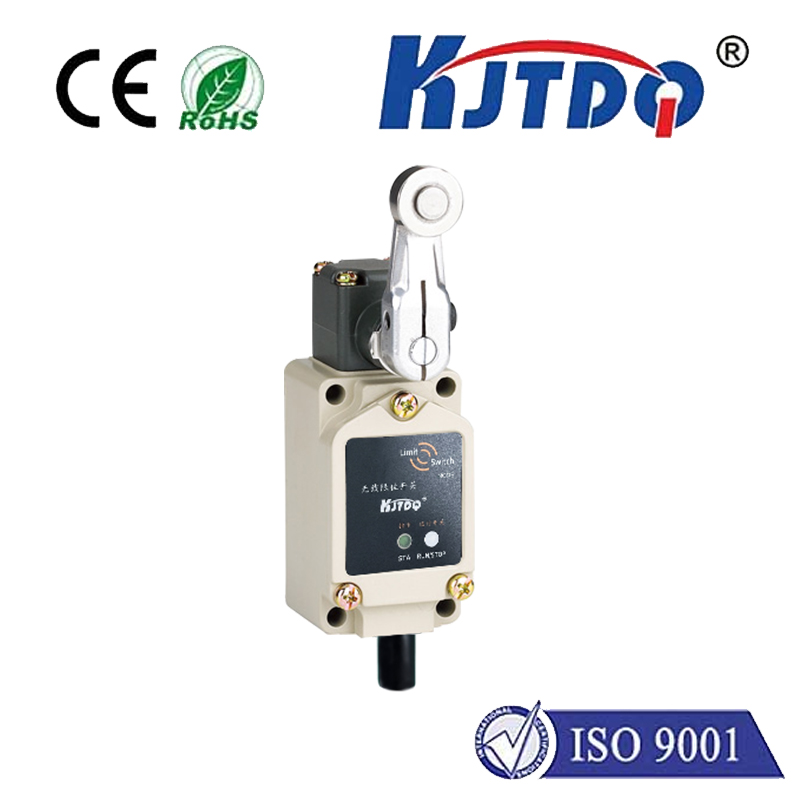
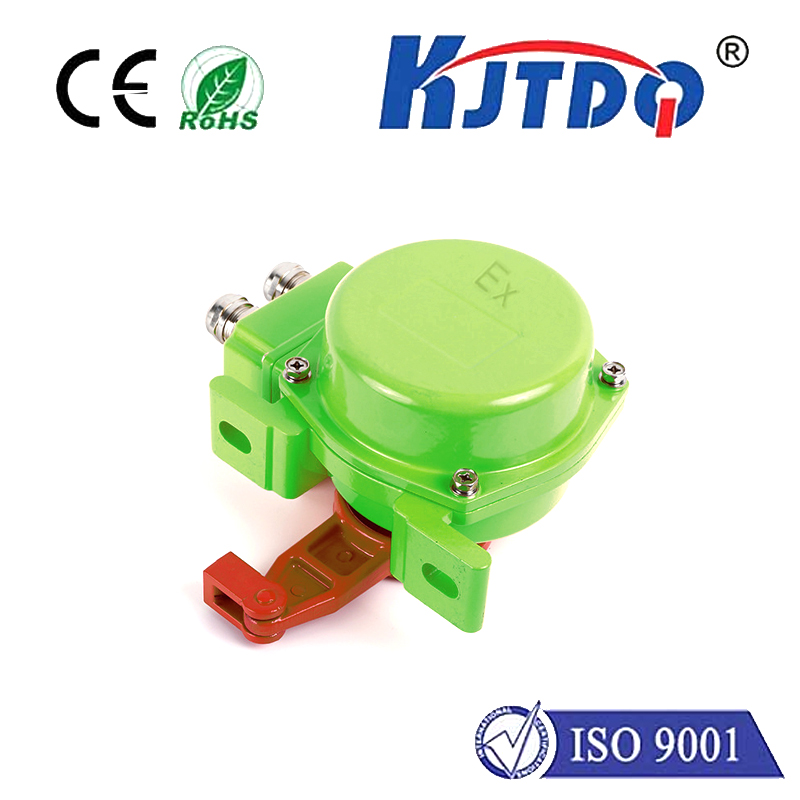
A limit switch is a fundamental electromechanical device used to detect the presence or absence of an object, or to monitor the position of a machine part. It typically consists of an actuator mechanically linked to a set of contacts. When an object comes into contact with the actuator, it triggers the switch to change the state of its electrical contacts, sending a signal to the control system. The 60t11 designation often refers to a specific model or series known for its robust construction, often featuring a heavy-duty metal housing, a precise roller lever actuator, and a reliable switching mechanism designed for millions of cycles. These switches are commonly employed in material handling systems, packaging machinery, conveyor belts, and automated assembly lines, where they function as end-stops, position verifiers, or safety interlocks.
The core advantage of a well-designed 60t11 limit switch lies in its mechanical simplicity and proven reliability. Unlike purely solid-state sensors, a robust mechanical limit switch like the 60t11 is often less susceptible to environmental factors such as dust, oil, coolant mist, and electromagnetic interference, which are common in factory settings. Its physical actuation provides a definitive, tangible feedback that is highly trusted for critical safety functions. The construction typically involves sealed bodies to meet various Ingress Protection (IP) ratings, safeguarding internal components from contaminants. The electrical ratings, including voltage, current, and contact configuration (e.g., SPDT, SPST), are carefully specified to match the control circuit requirements, preventing premature failure.
When integrating a 60t11 limit switch into a system, several practical considerations must be addressed. First is the choice of actuator type—roller lever, plunger, or whisker—which must be selected based on the direction and nature of the object's movement. The mounting configuration and adjustability are also vital for precise positioning. Regular maintenance, though minimal, involves checking for physical wear on the actuator and housing, ensuring tight electrical connections, and verifying the operational repeatability. A failing limit switch can lead to machine downtime, production errors, or even safety hazards, making proactive inspection a key part of preventive maintenance schedules.
Selecting a supplier for components like the 60t11 limit switch is as important as understanding its specifications. It is imperative to source from manufacturers or distributors with a proven track record in industrial controls. Look for suppliers that provide detailed technical data sheets, certifications for industry standards, and reliable customer support. The market offers various options, but consistency in quality, material integrity, and performance under load separates superior products from generic alternatives. Investing in a genuine, high-grade 60t11 limit switch from a reputable source ensures long-term reliability, reduces the total cost of ownership by minimizing failures, and maintains the smooth flow of your automated processes.
In conclusion, the 60t11 limit switch is more than just a simple component; it is a foundational element of machine control and safety. Its design prioritizes resilience and precise operation under physical stress. For engineers and maintenance professionals, a deep understanding of its operation, correct selection criteria, and commitment to proper sourcing are essential steps toward building and maintaining efficient, safe, and uninterrupted industrial operations. By giving due attention to these robust devices, businesses can safeguard their productivity and protect their valuable capital equipment.