check

check

check

check

check

check
In industrial automation, the integration of limit switches with Programmable Logic Controllers (PLCs) forms a critical backbone for ensuring precise control and safety in machinery operations. A limit switch, a fundamental electromechanical device, detects the presence or absence of an object, typically by physical contact, and sends a signal to the PLC. This interaction enables automated systems to perform tasks such as stopping a conveyor belt when an item reaches a specific point, positioning robotic arms accurately, or preventing over-travel in moving parts.
The role of a limit switch in a PLC system extends beyond simple detection. It provides real-time feedback that the PLC uses to execute programmed logic, coordinating sequences of operations without human intervention. For instance, in manufacturing assembly lines, limit switches ensure components are correctly aligned before welding or painting processes begin, reducing errors and enhancing productivity. Their robustness in harsh environments—resistant to dust, moisture, and temperature variations—makes them indispensable in industries like automotive, packaging, and material handling.
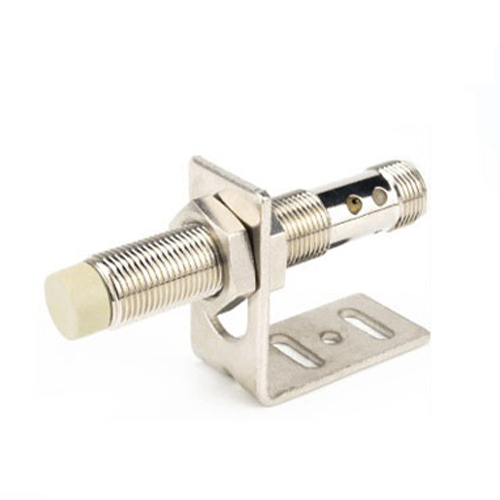
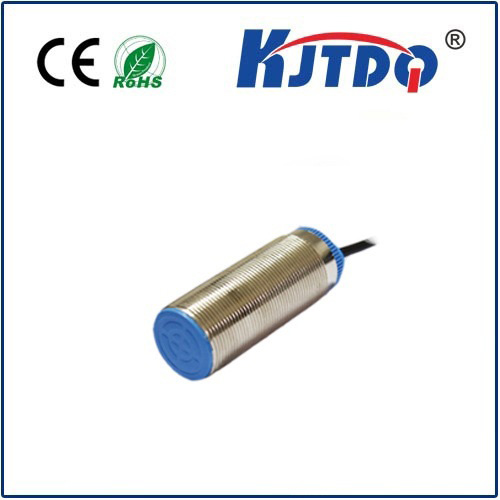
When selecting a limit switch for PLC integration, factors such as actuation type (e.g., lever, roller, or plunger), electrical ratings, and durability must be considered. Proper wiring and configuration are essential to avoid false triggers or system failures. Modern advancements include non-contact alternatives like proximity sensors, but traditional limit switches remain popular due to their reliability and cost-effectiveness. Regular maintenance, including checking for wear and calibration, ensures longevity and consistent performance.
Ultimately, the synergy between limit switches and PLCs drives efficiency and safety in automated systems. By understanding their function and implementation, engineers can optimize industrial processes, minimize downtime, and adapt to evolving technological demands. This knowledge is key to leveraging automation for competitive advantage in today's fast-paced industrial landscape.