check

check

check

check

check

check
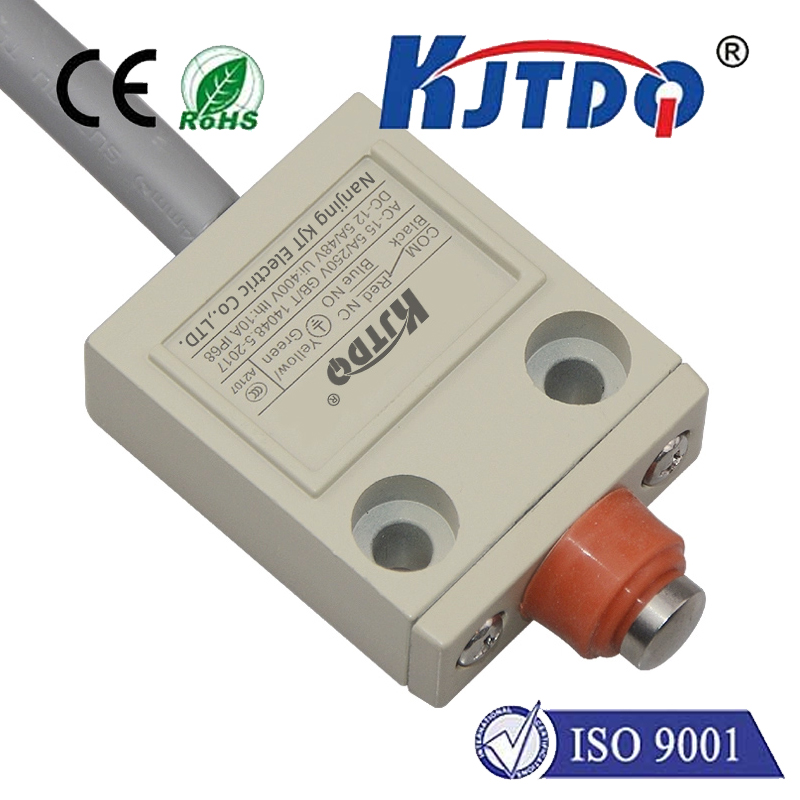
In industrial and commercial settings where reliability is non-negotiable, the choice of a switching mechanism can dictate the success or failure of an entire operation. Among the myriad of options available, the waterproof plunger switch stands out as a critical component engineered for durability and precision. This device is not merely a switch; it is a safeguard, designed to perform consistently where others would falter—amidst moisture, dust, vibrations, and extreme temperatures. Its core function is to detect the presence or position of an object through physical contact, converting this mechanical action into a reliable electrical signal. The defining feature, as the name suggests, is its robust waterproof sealing. This is achieved through meticulous design involving high-grade seals, often made from materials like silicone or Viton, and a housing constructed from corrosion-resistant metals or engineering plastics. The plunger, or actuator, is the moving part that gets depressed by the target object, triggering the internal snap-action mechanism to change the electrical state. This simple yet effective principle finds application across a vast spectrum. On a bustling factory floor, these switches act as limit switches on automated machinery, ensuring robotic arms stop at precise points. In food and beverage processing plants, their waterproof and often washdown-rated design allows them to withstand high-pressure cleaning, monitoring fill levels or container positions. The marine and offshore industries rely on them for control panels and equipment where saltwater spray is a constant threat. Even in agricultural machinery, they endure mud and weather to control implement positions. The advantages of integrating a high-quality waterproof plunger switch are manifold. Primarily, they offer unparalleled reliability in wet and dirty conditions, drastically reducing downtime caused by switch failure. Their mechanical simplicity translates to long operational life with millions of cycles. Many models provide a clear audible click and tactile feedback, giving operators physical confirmation of actuation. Furthermore, they are available in various configurations—different actuator shapes (roller, lever, plain plunger), electrical ratings, and output types (SPDT, SPST)—to fit specific needs. When selecting a switch for a demanding application, key specifications must be scrutinized. The Ingress Protection (IP) rating, such as IP67 or IP69K, quantifies its defense against solids and liquids. The electrical rating must match the load it will control. Operating force, pre-travel, and over-travel distances are crucial for mechanical integration. Material compatibility is also vital, especially in chemically aggressive environments. Installation and maintenance, while straightforward, require attention to detail. Ensuring the mounting is secure and aligned correctly prevents premature wear. While the seals provide excellent protection, periodic checks for integrity, especially in high-cycle or abrasive environments, are recommended to maintain peak performance. In conclusion, the waterproof plunger switch is a testament to practical engineering solving real-world problems. It bridges the gap between the physical movement of machinery and the electronic control systems that govern them, all while shrugging off environmental challenges that would disable ordinary components. For engineers and maintenance professionals tasked with designing or sustaining systems that cannot afford to stop, specifying a reliable waterproof plunger switch is not just a choice—it is a fundamental investment in operational continuity and safety. Its role may be discreet, but its impact on efficiency and reliability is profoundly significant.