check

check

check

check

check

check
In the demanding world of subsea engineering and marine operations, the reliability of every component is non-negotiable. Among these critical components, the underwater limit switch stands as a silent sentinel, ensuring precise control and safety in environments where human intervention is limited and conditions are harsh. The KJTDQ series of underwater limit switches represents a pinnacle of engineering designed specifically to meet these extraordinary challenges.
Operating beneath the waves introduces a host of complexities not found on land. Equipment must withstand immense pressure, corrosive saltwater, fluctuating temperatures, and potential biological fouling. A standard industrial limit switch would fail catastrophically under such conditions. This is where specialized underwater limit switches, like the KJTDQ, prove indispensable. They are hermetically sealed, often using advanced materials like marine-grade stainless steel or specialized polymers, to prevent water ingress that could lead to electrical failure or corrosion. The sealing is rigorously tested to withstand depths far beyond their rated operational range, ensuring long-term integrity.
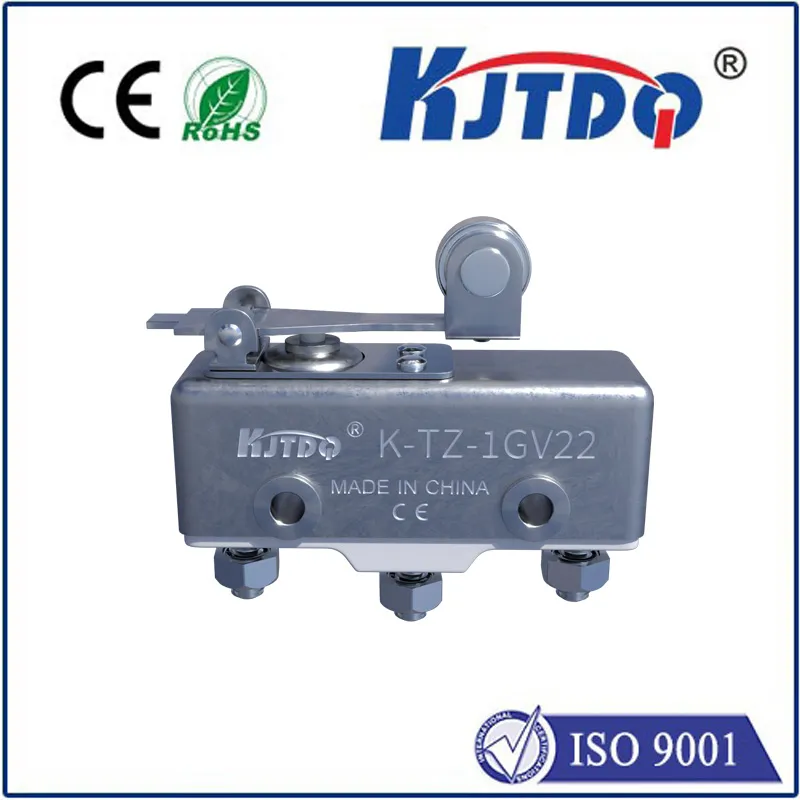
The primary function of these devices is to detect the presence or position of a moving part within subsea machinery. For instance, in a subsea valve actuator, the KJTDQ limit switch provides definitive feedback—confirming whether the valve is fully open or securely closed. This binary signal is crucial for automated control systems, preventing damage from over-travel and ensuring sequences operate correctly. In remotely operated vehicle (ROV) manipulator arms, they define the safe limits of articulation, protecting delicate and expensive equipment from self-inflicted damage.
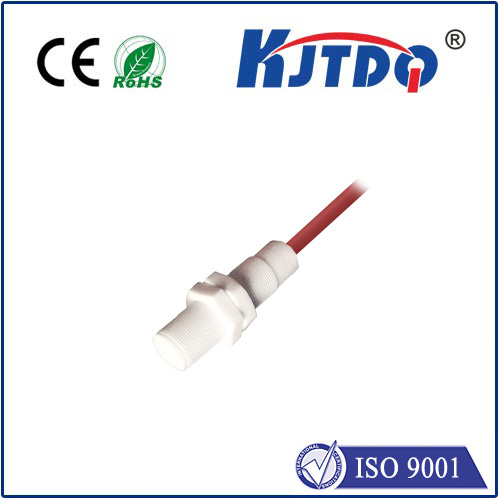
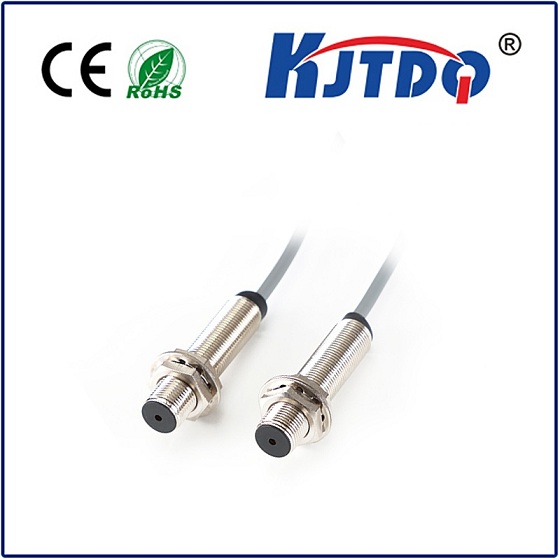
The KJTDQ design emphasizes not just survival but consistent performance. Internal mechanisms are engineered to operate smoothly despite external pressure differentials. Contact blocks are designed for high reliability, offering clear electrical signals to the surface control units. Many models incorporate magnetic or inductive sensing technology, which allows for non-contact operation. This means the switching mechanism can be completely sealed, with no mechanical linkage penetrating the housing, thereby significantly enhancing reliability and lifespan by eliminating a common point of failure.
Installation and maintenance considerations are also paramount. The KJTDQ series is typically designed for straightforward integration into existing subsea panels or equipment frames. Robust mounting brackets and corrosion-resistant hardware are standard. For maintenance, the modular design allows for easier servicing when equipment is retrieved to the surface, minimizing downtime. The use of standardized cable connections and pressure-balanced oil-filled chambers in some models further simplifies integration and protects internal components.
Applications for the KJTDQ underwater limit switch are vast and critical. They are found in offshore oil and gas production systems, controlling Christmas trees, manifold valves, and pipeline isolation tools. In the renewable energy sector, they secure operations in tidal and wave energy converters. They are essential in underwater construction, guiding the movement of heavy machinery, and in scientific research, ensuring the precise positioning of sensor arrays and sampling equipment on seabed observatories.
Choosing the right underwater limit switch requires careful evaluation of several factors: the maximum operating depth (pressure rating), the required electrical specifications (voltage, current, switch type), the temperature range of the deployment zone, and the necessary mechanical interface. The KJTDQ series offers a range of configurations to meet these varied demands, providing engineers with a trusted solution for their specific application.
Ultimately, in the deep blue where every operation carries significant cost and risk, components cannot be weak links. The underwater limit switch, particularly the robust KJTDQ series, provides the certainty needed for automated and remote subsea systems. It transforms a simple mechanical position into a reliable electrical command, enabling safer, more efficient, and more predictable operations beneath the ocean's surface. This reliability forms the backbone of modern subsea infrastructure, supporting industries that explore and utilize the vast resources of our oceans.