check

check

check

check

check

check
In the intricate world of industrial automation, precision and reliability are non-negotiable. At the heart of countless control systems, ensuring machinery operates within safe and defined parameters, lies a critical component: the limit switch. Among the trusted names in this field, Moeller limit switches have established a reputation for durability and performance in demanding environments. This guide delves into the functionality, applications, and key considerations for selecting and implementing these vital devices.
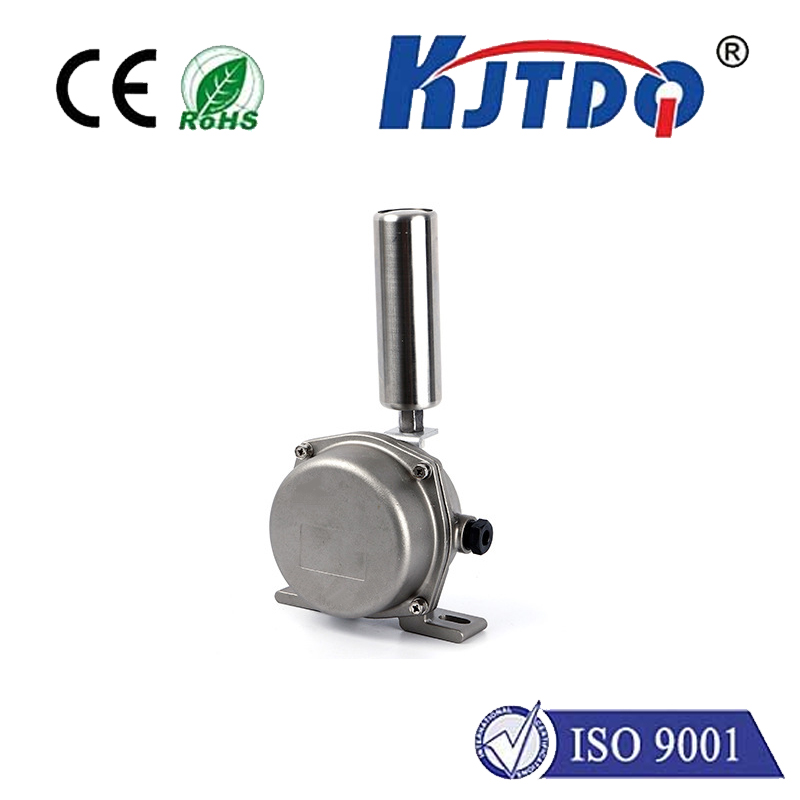
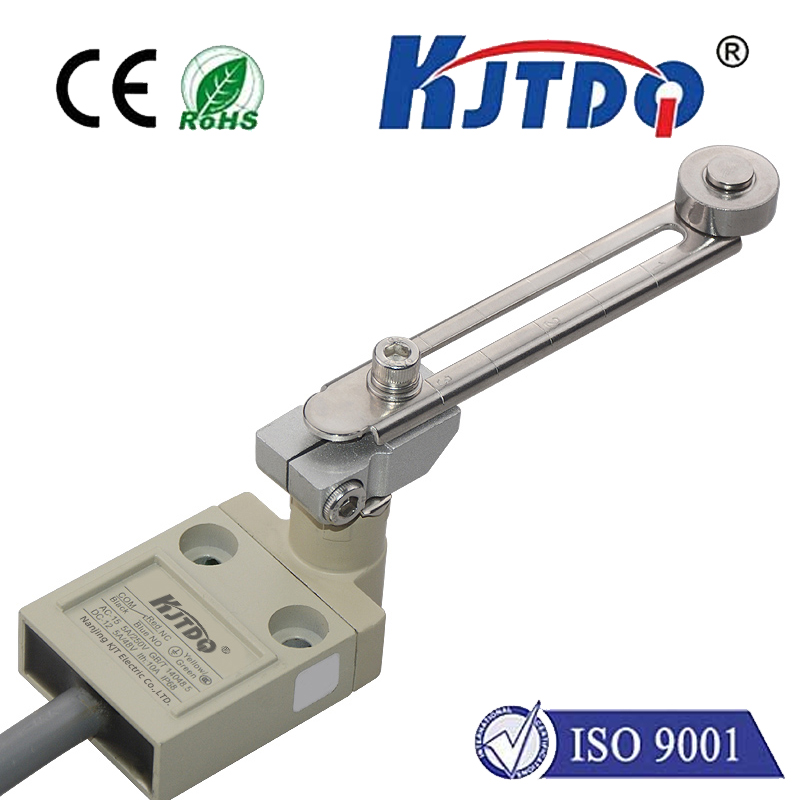
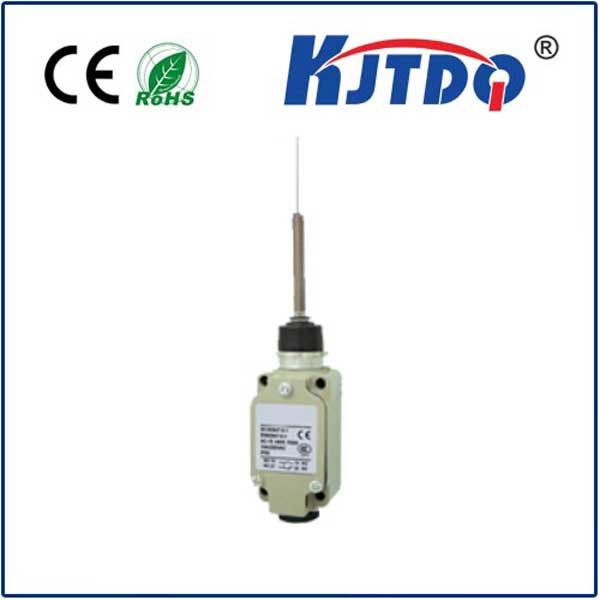
A limit switch is an electromechanical device that detects the presence or absence of an object, or monitors its position, by making or breaking an electrical contact when its actuator is physically displaced. Moeller, now part of the Eaton group, designs these switches to offer robust solutions for a wide array of industrial settings. Their construction typically involves a rugged housing, a precise switching mechanism, and various actuator types—from simple levers and rollers to more specialized plungers or wobble sticks. This physical actuation method provides a clear, definitive signal, which is a fundamental advantage in safety-critical applications where absolute positional certainty is required.
The applications for Moeller limit switches are vast and varied. They are commonly found in material handling systems, such as conveyor belts, to detect when a product has reached the end of a line or to count objects. In machine tools, they define the start and end points of a cutting path, preventing overtravel and potential damage. They serve as door interlocks on control panels and safety gates, ensuring power is cut before access is granted. Furthermore, in packaging machinery, automotive assembly lines, and elevator control systems, these switches provide the essential feedback needed for sequential logic and operational safety. Their ability to withstand vibration, moisture, dust, and temperature fluctuations—often meeting specific IP (Ingress Protection) ratings—makes them suitable for harsh factory floor conditions.
When specifying a Moeller limit switch, several technical factors must be evaluated. The electrical rating, including switching current and voltage (AC or DC), must match the load of the control circuit. The mechanical life expectancy, often rated in millions of operations, indicates longevity under normal use. The type of actuator is chosen based on the direction and force of the object to be detected. Environmental protection is crucial; an IP67-rated switch, for instance, can withstand temporary immersion, making it ideal for washdown areas in food and beverage production. Additionally, the choice between slow-action (snap-action) switches and precision switches depends on the required repeat accuracy and speed of operation.
Installation and maintenance are straightforward but vital for optimal performance. Proper mounting alignment ensures the actuator is engaged correctly by the target object without excessive force. Regular inspection for physical damage, wear on the actuator arm, and buildup of contaminants helps prevent unexpected downtime. The clear switching action also aids in troubleshooting, as technicians can often audibly or physically confirm the switch's operation.
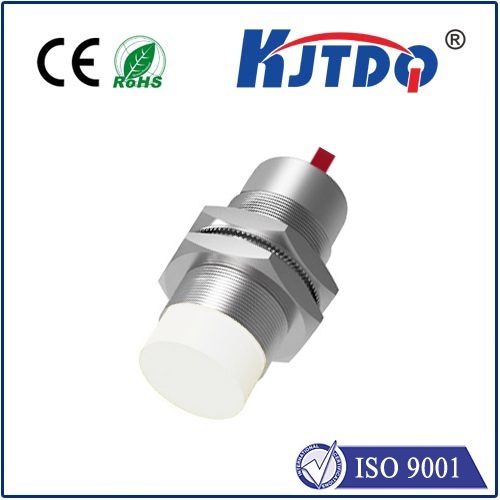
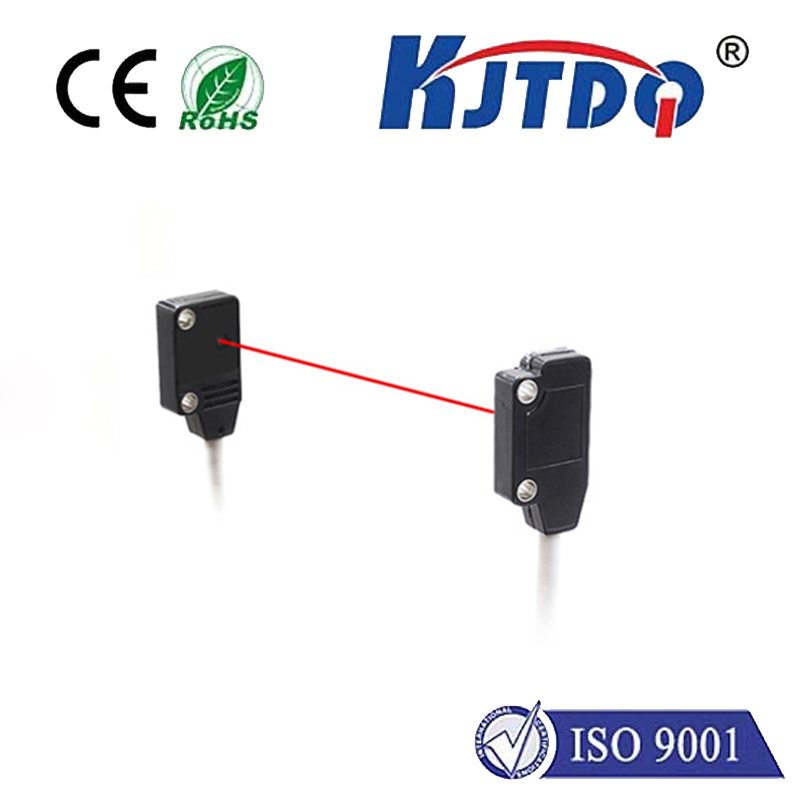
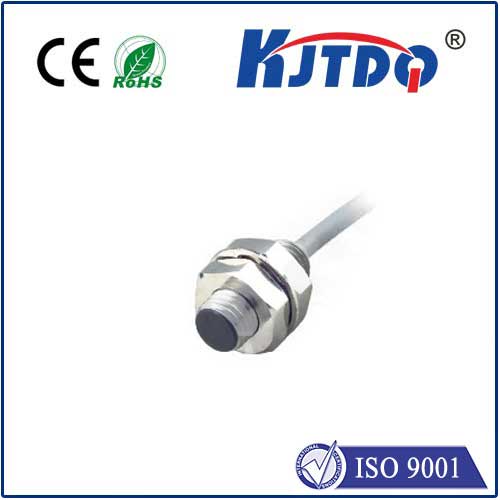
While newer technologies like proximity sensors (which detect objects without physical contact) have grown in popularity, the electromechanical limit switch remains irreplaceable for many applications. Its key strengths are simplicity, direct feedback, high current-carrying capacity, and cost-effectiveness for position-sensing tasks. Moeller's range leverages this proven technology, offering engineers a reliable, easy-to-integrate component for building safe and efficient automated systems.
In conclusion, the Moeller limit switch represents a foundational element in industrial control. Its role in providing positive, mechanical position detection is critical for automation sequencing, equipment protection, and operator safety. By understanding their operating principles, specifications, and application best practices, engineers and maintenance professionals can ensure these components deliver the reliable performance that modern industry depends on every day.