check

check

check

check

check

check
In the dynamic landscape of industrial automation and machinery control, the role of safety mechanisms cannot be overstated. Among these critical components, the height limit switch stands as a fundamental guardian, preventing equipment from exceeding predetermined travel limits and thereby averting potential damage, operational failures, and workplace hazards. This device, often integrated into hoists, cranes, elevators, and various lifting apparatus, serves as an automatic sentinel, ensuring that movements are contained within a safe and functional range.
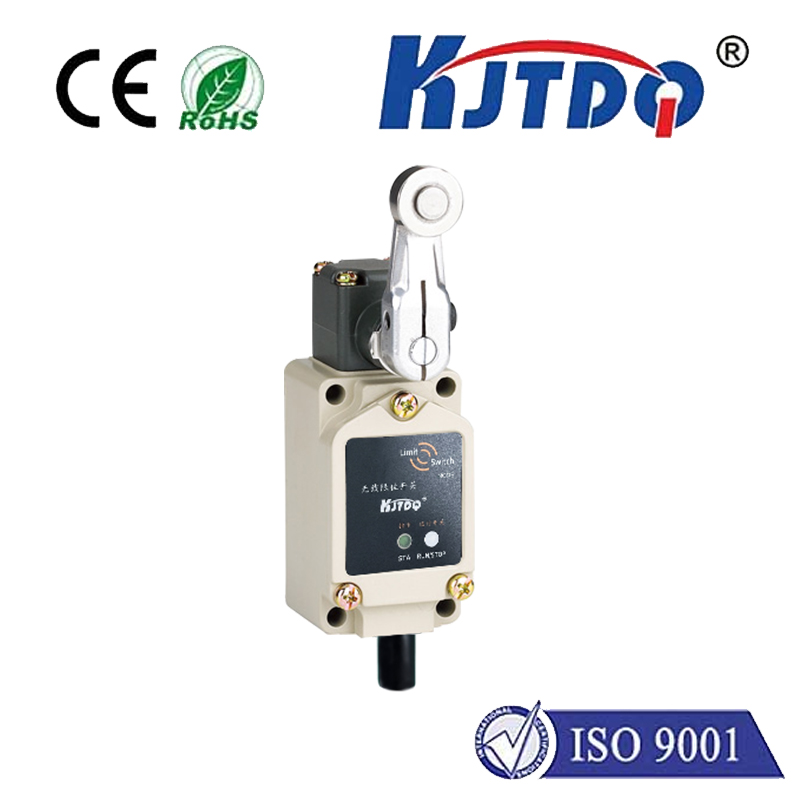
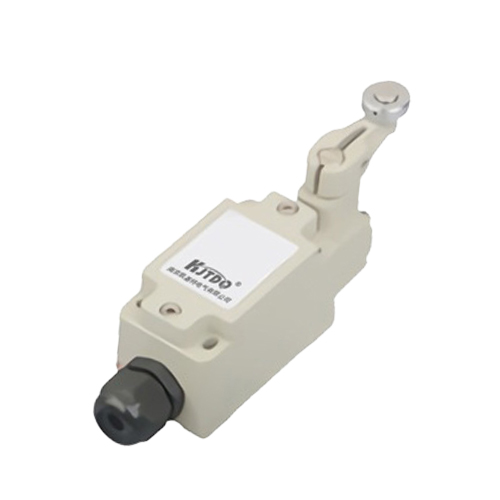
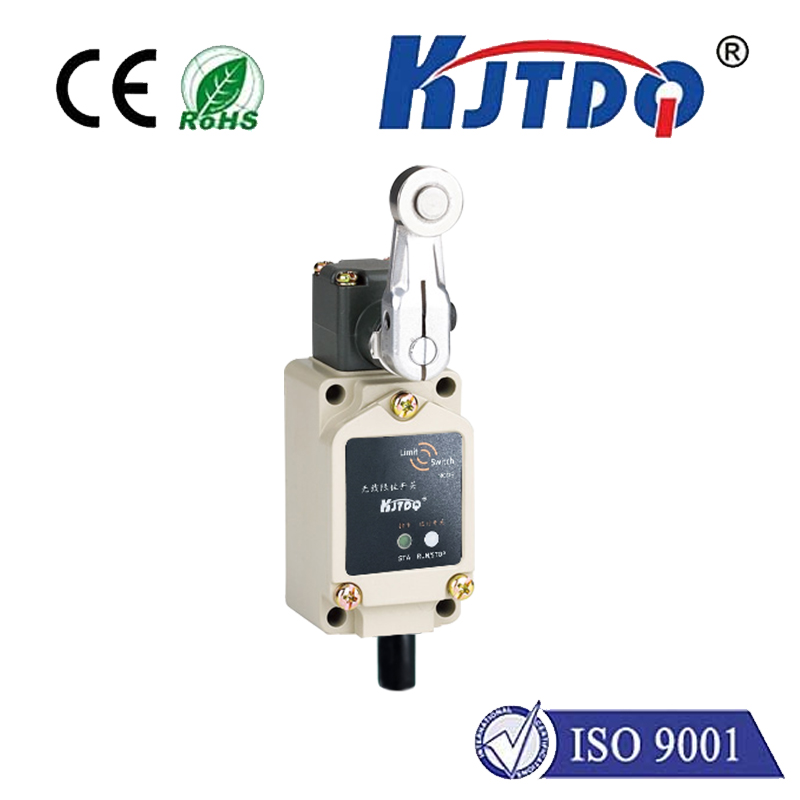
The core principle behind a height limit switch is elegantly straightforward. It is an electromechanical device designed to detect the presence or position of a moving part. Typically, it consists of an actuator—such as a lever, roller, or plunger—mechanically linked to a set of electrical contacts. When the machinery's moving component, like a hook block or a platform, reaches a specific upper or lower point in its path, it physically engages the switch's actuator. This engagement triggers a change in the state of the internal electrical contacts, either opening or closing a circuit. This signal is instantly relayed to the control system, which then commands the drive motor to stop or reverse direction, effectively halting any further travel beyond the set limit.
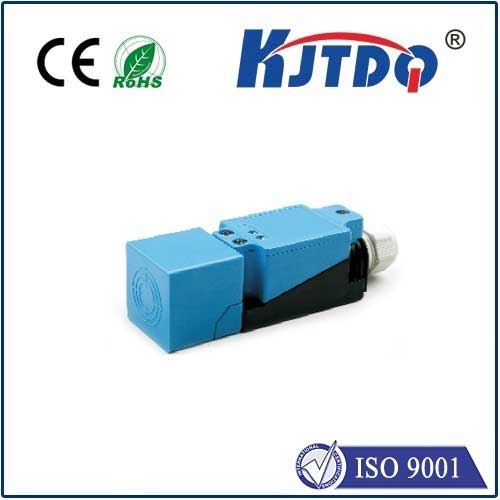
The implementation of a reliable height limit switch, such as those in the KJTDQ series, brings multifaceted benefits to industrial operations. Primarily, it is a cornerstone of operational safety. By physically preventing over-travel, it eliminates the risk of collisions, structural overloading, or catastrophic failures like the "two-blocking" incident in cranes, where the hook block crashes into the boom tip. This directly protects both personnel working in the vicinity and the valuable machinery itself from impact damage. Furthermore, it enhances equipment longevity by preventing mechanical stress and wear associated with boundary violations, reducing downtime and maintenance costs.
Beyond safety, these switches contribute significantly to process efficiency and automation. They allow for precise, repeatable positioning of loads, which is crucial in assembly lines, warehousing, and material handling. Automated systems can rely on the consistent signal from the limit switch to initiate the next step in a sequence, streamlining workflows without requiring constant manual oversight. This precision also minimizes product damage during handling, ensuring quality control.
When selecting a height limit switch for demanding applications, several technical specifications demand careful consideration. The durability and construction material are paramount, as the device must withstand harsh industrial environments involving dust, moisture, vibration, and temperature fluctuations. ingress protection ratings like IP65 or IP67 indicate resilience against dust and water jets. The mechanical life expectancy, often rated in millions of operations, speaks to its longevity. Electrical ratings, including switching current and voltage capacity, must be compatible with the control circuit. Additionally, the type of actuator (e.g., top-push, side-roller) and its adjustment range must suit the specific mechanical motion it needs to monitor.
Modern advancements have also led to the development of more sophisticated non-contact variants, like magnetic or proximity sensors, which offer wear-free operation and higher precision. However, traditional mechanical limit switches, prized for their simplicity, robustness, and direct feedback, remain irreplaceable in countless applications. Proper installation, regular testing, and adherence to maintenance schedules are essential practices to ensure these critical safety devices function flawlessly over their entire service life.
In conclusion, the humble height limit switch is an unsung hero in industrial settings. Its continuous, silent vigilance forms an indispensable layer of protection and control. By integrating a high-quality switch like the KJTDQ model into system design, engineers and operators invest not only in compliance with safety regulations but also in the foundational reliability and efficiency that drive productive and secure industrial operations forward.