check

check

check

check

check

check
In the complex world of industrial machinery and material handling, the crane stands as a pivotal piece of equipment. Its ability to lift, lower, and transport heavy loads horizontally is fundamental to operations in construction, manufacturing, shipping, and logistics. However, the safe and precise operation of a crane hinges on a multitude of integrated components, one of the most critical being the limit switch. Often overlooked, the limit switch of a crane is a fundamental safety and control device that prevents operational overreach and protects both the equipment and personnel.
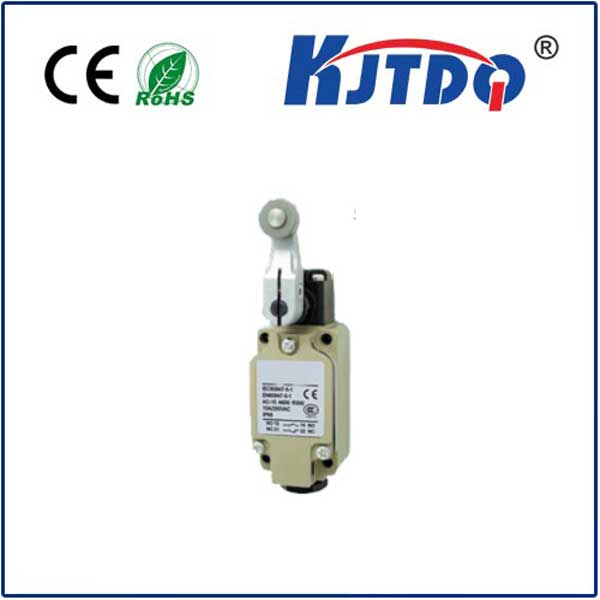
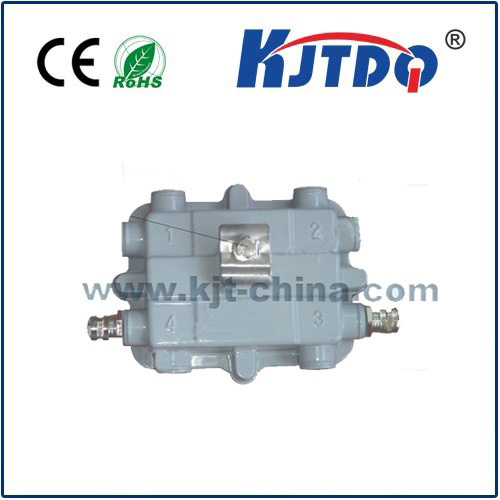
A limit switch is essentially an electromechanical device. It is strategically positioned within the crane's movement path—typically at the extreme ends of the hoist (up/down) and trolley or bridge (forward/backward, left/right) travel. Its primary function is to detect the presence or absence of an object, or to monitor positional limits by physical contact. When the crane's moving part, such as the hook block or trolley, reaches a predetermined point, it actuates the switch. This action either breaks or makes an electrical circuit, sending a signal to the crane's control system to halt the motion in that specific direction.
The importance of a properly functioning limit switch cannot be overstated. Its core purposes are threefold: safety, equipment protection, and operational efficiency. From a safety perspective, it is the last line of defense against catastrophic failures. For instance, an upper hoist limit switch prevents the hook block from colliding with the drum or the crane structure itself, a scenario known as "two-blocking," which can lead to snapped cables, dropped loads, and severe injuries. Similarly, travel limit switches ensure the crane does not run off its rails or collide with end stops or other cranes on the same runway.
Regarding equipment protection, limit switches prevent mechanical overtravel that can cause severe stress on motors, gearboxes, brakes, and structural components. By stopping motion at defined limits, they reduce wear and tear, minimizing downtime and extending the service life of expensive crane assets. This proactive protection translates directly into lower maintenance costs and higher reliability.
For operational efficiency, limit switches enable automated stopping at precise locations. This is particularly valuable in repetitive tasks, such as in automated storage and retrieval systems (AS/RS) or production lines, where cranes must consistently position loads at the same points. It reduces reliance solely on operator skill and attention, enhancing consistency and throughput.
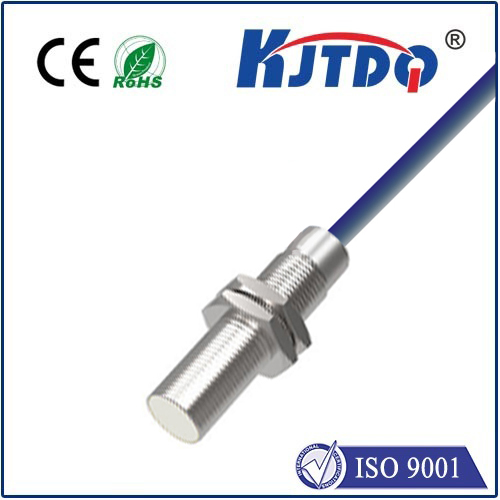
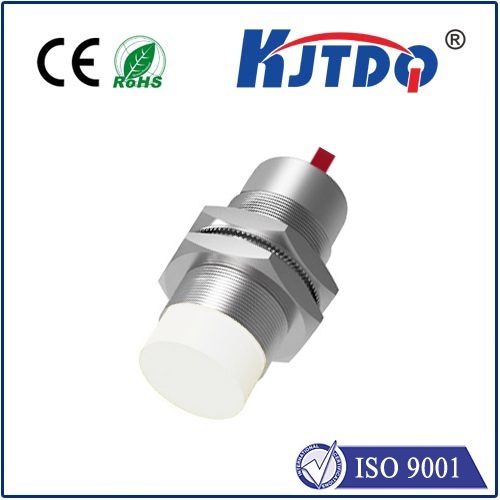
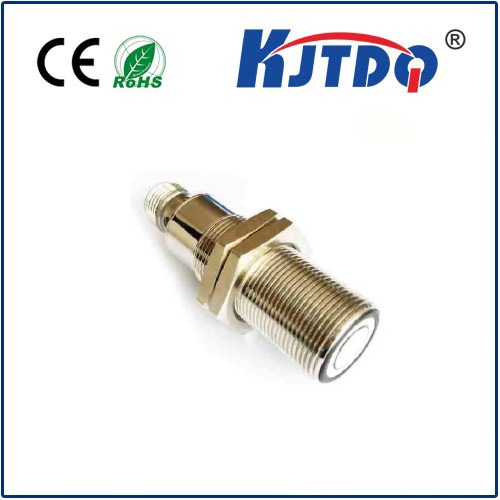
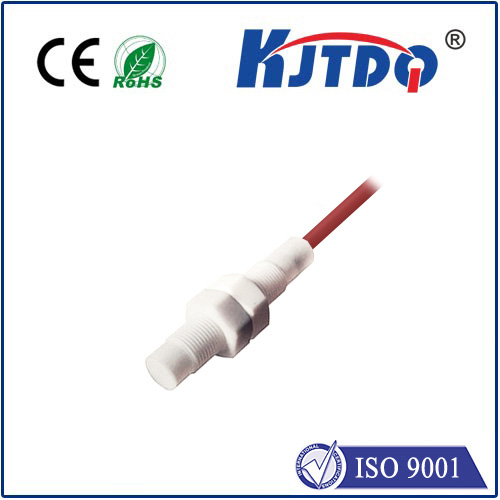
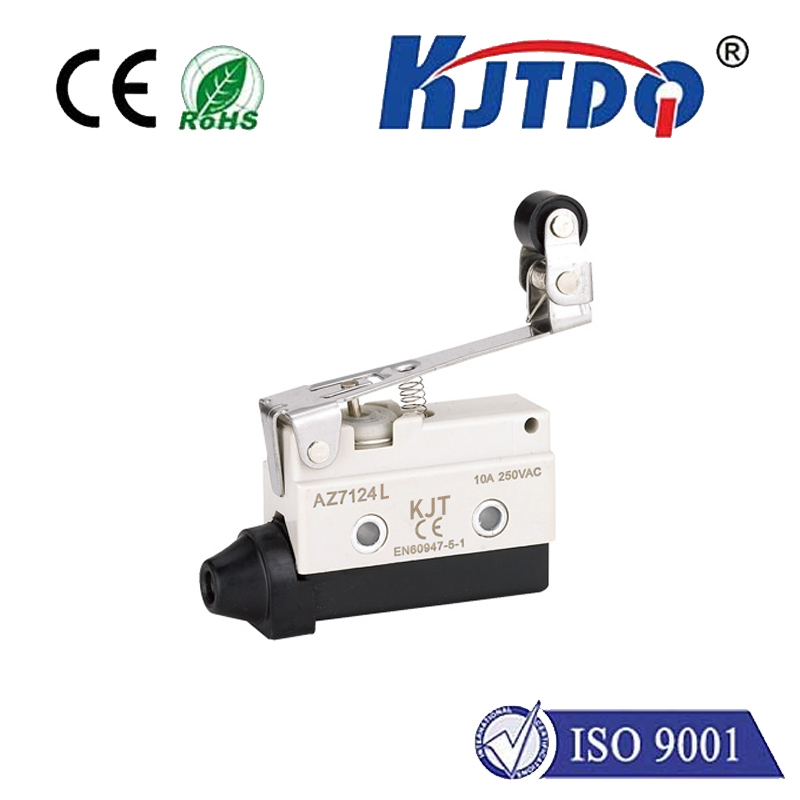
Several types of limit switches are employed in crane applications, chosen based on the required precision, environmental conditions, and duty cycle. Mechanical lever-arm switches are common for general travel limits. More precise applications might use rotary cam limit switches, which are driven by a shaft connected to the moving mechanism, offering very accurate positional control. In harsh environments with dust, moisture, or explosive atmospheres, hermetically sealed or proximity-type (non-contact) limit switches may be used for greater durability and reliability.
Regular inspection, testing, and maintenance of crane limit switches are non-negotiable components of a robust safety program. They are subject to mechanical wear, vibration, contamination, and accidental damage. A failed or bypassed limit switch creates a significant hazard. Maintenance checks should include verifying the physical alignment and secure mounting of the switch, testing its operational function by slowly running the crane into the limit to confirm it stops as designed, and inspecting the associated wiring and contacts for corrosion or damage. It is crucial that any maintenance or bypassing of a limit switch is performed only by qualified personnel under a strict controlled procedure, and normal operation must never resume until the safety device is fully restored.
In conclusion, the limit switch of a crane is far more than a simple component; it is an indispensable guardian of safe and productive material handling. Its role in preventing overtravel accidents, protecting costly equipment, and enabling precise automation forms the backbone of reliable crane operation. For facility managers, safety officers, and crane operators, a deep understanding and rigorous upkeep of these devices are paramount. Investing in high-quality limit switches and a disciplined maintenance regimen is not an operational cost but a strategic investment in safety, asset longevity, and uninterrupted productivity. Ensuring every limit switch on your crane is in optimal working condition is a direct step towards fostering a safer and more efficient worksite.