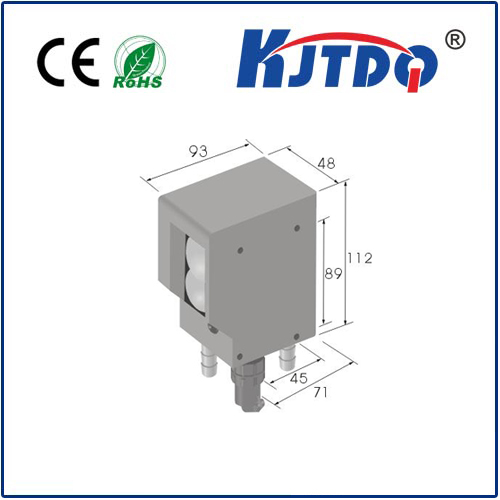
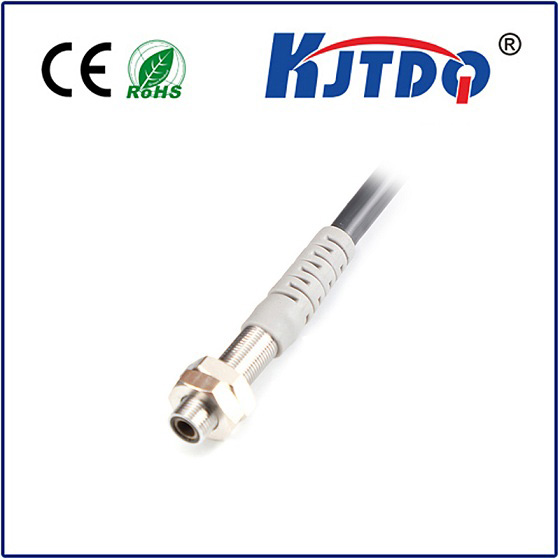
check

check

check

check

check

check
In industrial and construction environments, the precise control of lifting equipment is paramount for both operational efficiency and workplace safety. The integration of advanced hoist position switch technology, such as that offered by KJTDQ, plays a critical role in achieving these goals. This article explores the functionality, benefits, and applications of modern hoist position switches, highlighting how they contribute to smoother and safer material handling processes.
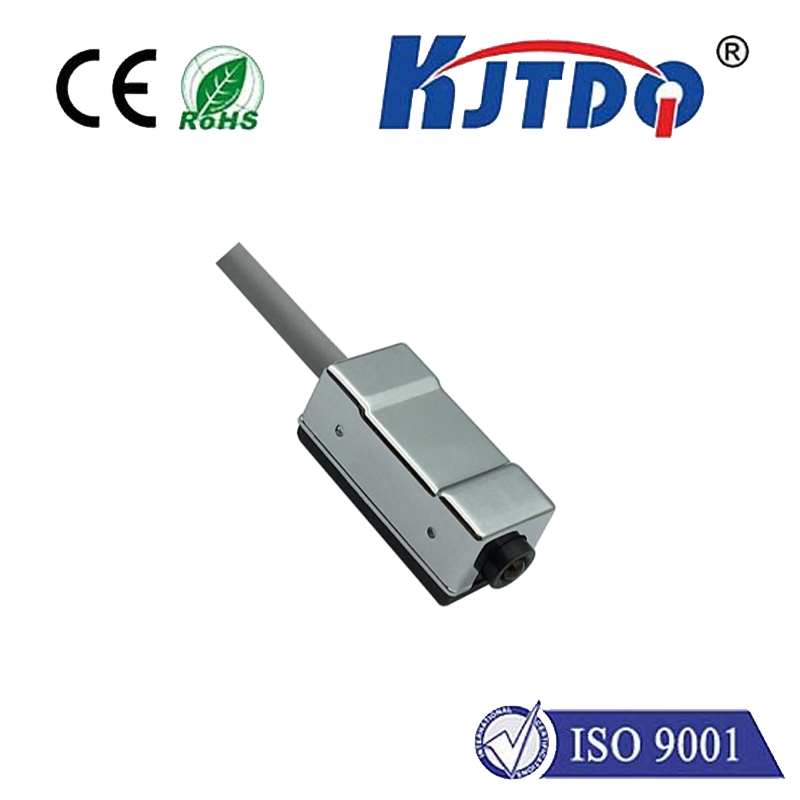
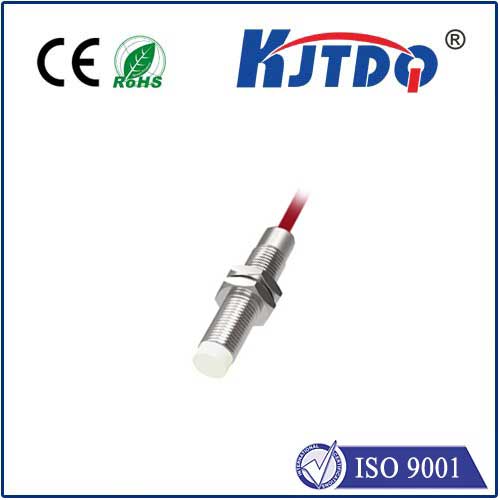
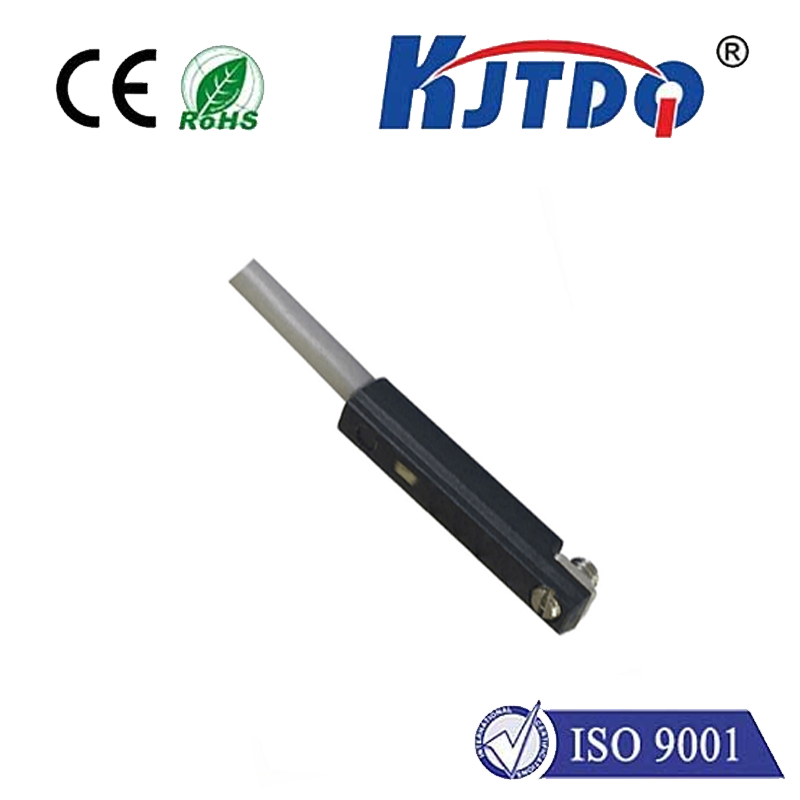
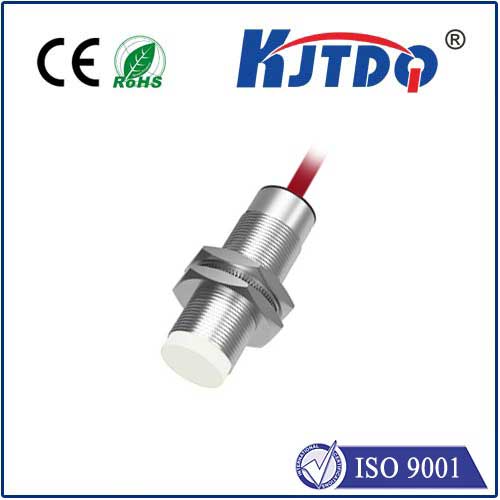
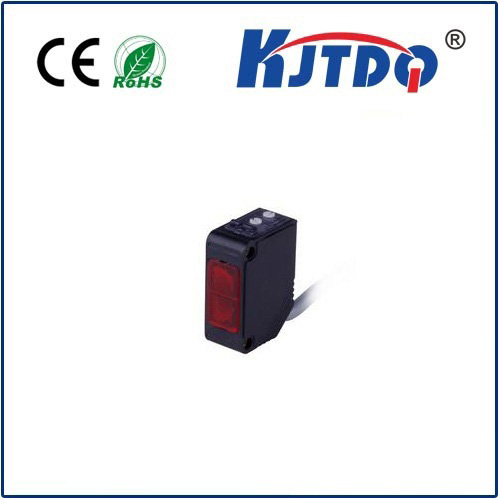
A hoist position switch is an electromechanical device designed to monitor and control the vertical movement of hoists, cranes, and other lifting mechanisms. It detects the upper and lower limits of a hoist's travel, automatically stopping the equipment at predetermined points to prevent over-travel. Over-travel incidents can lead to catastrophic failures, including cable snapping, load drops, or structural damage, posing significant risks to personnel and infrastructure. By ensuring that hoists operate within safe boundaries, position switches mitigate these hazards, forming a fundamental component of safety systems in material handling.
The technology behind KJTDQ hoist position switches emphasizes reliability and precision. These switches typically utilize robust sensors and durable mechanical components capable of withstanding harsh industrial conditions, such as extreme temperatures, dust, moisture, and vibrations. The design often incorporates fail-safe mechanisms to maintain functionality even in the event of power loss or component wear. This durability ensures consistent performance over long periods, reducing downtime and maintenance costs. In practice, when a hoist approaches its set limit, the switch triggers an electrical signal to cut power to the motor, bringing the movement to a smooth and immediate halt. This not only prevents accidents but also protects the hoist machinery from undue stress, extending its operational lifespan.
Beyond safety, hoist position switches enhance operational efficiency. In automated or semi-automated systems, they enable precise positioning of loads, which is crucial in applications like assembly lines, warehousing, and construction sites. For instance, in a manufacturing plant, switches can ensure that materials are lifted to exact heights for seamless transfer to subsequent processes, minimizing manual intervention and speeding up workflows. KJTDQ's solutions often feature adjustable settings, allowing operators to customize limit points based on specific task requirements. This flexibility supports diverse applications, from small workshop hoists to large-scale industrial cranes, making the technology adaptable to various sectors.
The implementation of hoist position switches also aligns with regulatory standards and best practices in industrial safety. Organizations like OSHA (Occupational Safety and Health Administration) and ISO (International Organization for Standardization) mandate the use of safety devices to prevent equipment misuse and accidents. By incorporating KJTDQ switches, companies can demonstrate compliance with these regulations, potentially reducing liability and insurance premiums. Moreover, the switches contribute to a culture of safety, reassuring workers and management that lifting operations are under controlled supervision.
In real-world scenarios, the benefits of KJTDQ hoist position switches are evident across industries. In construction, they help manage the lifting of heavy beams or concrete panels to precise elevations, ensuring stability and accuracy. In logistics and distribution centers, switches facilitate the safe stacking and retrieval of goods in high-bay warehouses, where over-travel could lead to inventory damage or rack collisions. Even in entertainment settings, such as theater rigging, position switches ensure that props and lighting are positioned correctly, avoiding mishaps during performances. The versatility of these devices underscores their importance in any context involving vertical movement.
Looking ahead, advancements in hoist position switch technology continue to evolve. Integration with IoT (Internet of Things) and smart monitoring systems allows for real-time data collection on hoist performance, enabling predictive maintenance and further optimizing safety protocols. KJTDQ is at the forefront of these innovations, developing switches that offer enhanced connectivity and diagnostic capabilities. By adopting such cutting-edge solutions, industries can future-proof their operations, embracing digital transformation while upholding the highest safety standards.
In summary, hoist position switches are indispensable tools for modern material handling, balancing safety and efficiency in demanding environments. KJTDQ's expertise in this field provides reliable, precision-engineered switches that safeguard equipment and personnel, streamline processes, and ensure regulatory adherence. As industries increasingly prioritize automation and risk management, investing in quality hoist position switch technology becomes not just a choice but a necessity for sustainable and productive operations.