check

check

check

check

check

check
In the intricate world of electrical systems, precision and reliability are non-negotiable. Among the myriad components that ensure seamless operation, the 120 volt micro switch stands out as a fundamental yet critical player. This compact device, often overlooked, is the silent guardian of countless applications, from industrial machinery to everyday household appliances. Its primary function is straightforward: to detect the presence or absence of an object, or to sense position, and then open or close an electrical circuit with remarkable accuracy. However, the engineering behind this simplicity is what makes it indispensable.
A 120 volt micro switch, sometimes referred to as a miniature snap-action switch, is designed to operate at a standard voltage of 120V AC. This voltage level is prevalent in North American residential and commercial power systems, making these switches highly versatile. The core mechanism involves a spring-loaded actuator. When a small physical force is applied to this actuator—be it from a button press, a lever movement, or a cam—it triggers a rapid "snap-action" inside the switch. This action ensures quick and clean make-or-break contact, minimizing arcing and enhancing the switch's longevity. The audible "click" is a testament to its decisive operation.
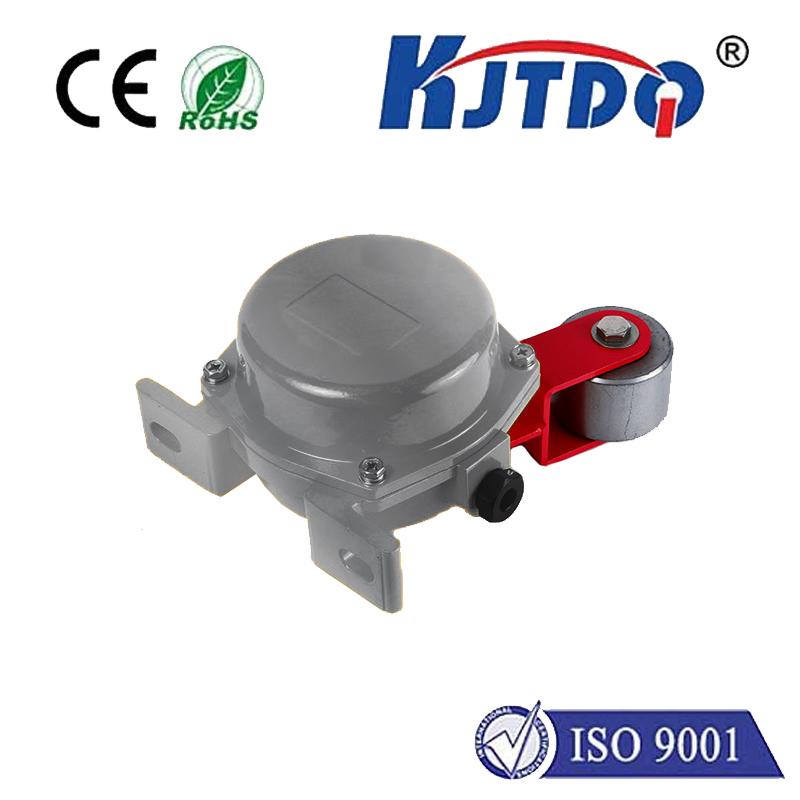
The applications for a 120-volt micro switch are vast and varied. In the industrial sector, they are integral to safety interlocks on machine guards, ensuring equipment only operates when protective covers are securely closed. They act as limit switches in automated assembly lines, precisely controlling the movement of robotic arms or conveyor belts. Within the realm of home appliances, you'll find them in microwave ovens, controlling the door safety mechanism, and in washing machines, detecting the lid position. Office equipment like printers and copiers rely on them for paper jam detection. Their robustness allows them to perform millions of cycles without failure, a key factor in reducing maintenance downtime and costs.
When selecting a 120 volt micro switch for a specific application, several technical specifications demand careful consideration. The electrical rating, including the voltage (120V AC) and current capacity (often ranging from 5A to 15A), must match the circuit requirements. The actuator type is crucial; options include lever arms (with various lengths and roller styles), pin plungers, and simulated roller levers, each suited for different kinds of mechanical interaction. The operating force, the physical pressure needed to trip the switch, and the pretravel distance are also vital for proper integration. Furthermore, environmental factors cannot be ignored. Sealed models with IP67 ratings are available to protect against dust and water ingress, making them suitable for harsh conditions in agricultural or outdoor equipment.
The advantages of using a properly specified 120-volt micro switch are significant. Their snap-action design provides high repeatability, meaning the switch activates at virtually the same point every time, which is essential for precision control. They offer excellent tactile feedback, allowing operators to confirm an action has been registered. Durability is another hallmark; quality micro switches are built to withstand mechanical stress, vibration, and temperature fluctuations. From a safety perspective, their reliable operation is paramount in circuits designed to prevent hazardous situations, such as stopping a machine when a guard is opened.
Installation and maintenance, while generally straightforward, require attention to detail. The switch must be mounted securely to avoid misalignment of the actuator, which could lead to improper operation or premature wear. Wiring should be done according to the manufacturer's diagram, typically involving common (C), normally open (NO), and normally closed (NC) terminals. Regular inspection for signs of physical damage, corrosion, or wear on the actuator is recommended as part of a preventive maintenance schedule. It is always advisable to source these components from reputable manufacturers and distributors to guarantee they meet relevant safety standards and performance certifications.
In conclusion, the 120 volt micro switch is far more than a simple on-off device. It is a precision-engineered component that forms the backbone of reliable electrical control and safety systems across numerous industries. Its ability to deliver consistent, long-lasting performance under a wide range of conditions makes it an essential choice for engineers, designers, and maintenance professionals. Understanding its operation, specifications, and correct application is key to building systems that are not only functional but also safe and durable. As technology evolves, the fundamental role of this dependable switch remains securely in place, quietly enabling the modern, automated world.