check

check

check

check

check

check
In the world of industrial automation and machinery, the reliability of every component is paramount. Among these critical components, the limit switch plays a vital role in ensuring operational safety and precision. The Snap Lock Limit Switch, particularly models like the KJTDQ series, represents a significant leap forward in this technology. This article delves into the core features, applications, and benefits of this advanced switch, explaining why it has become a preferred choice for engineers and system integrators globally.
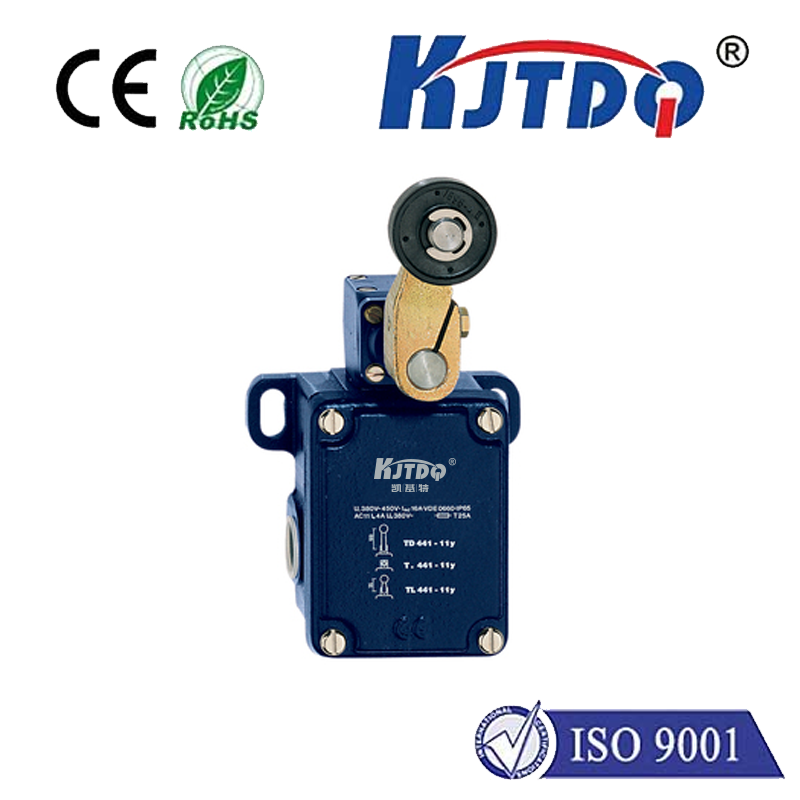
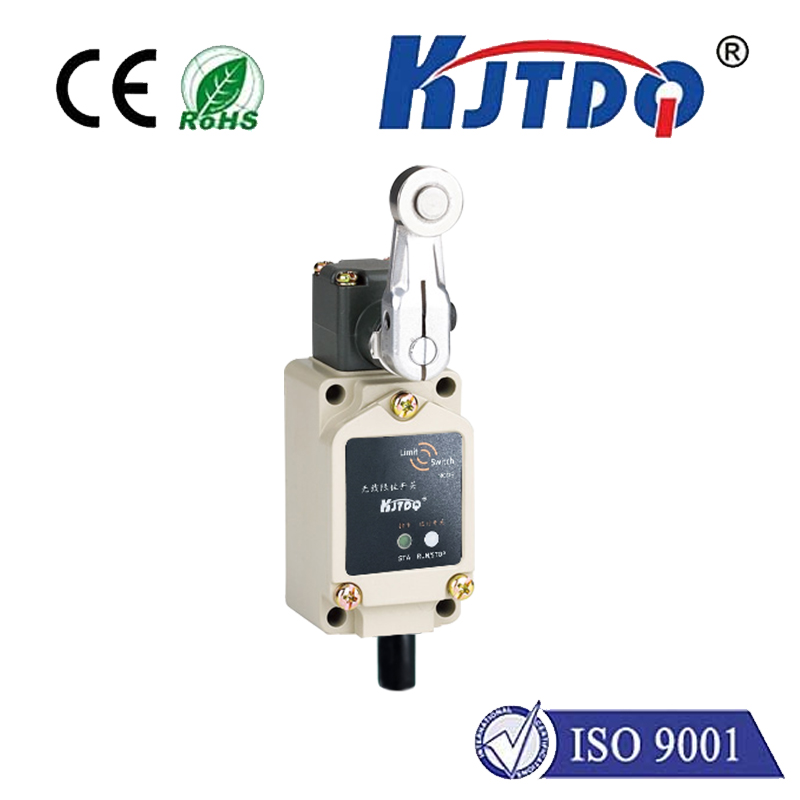
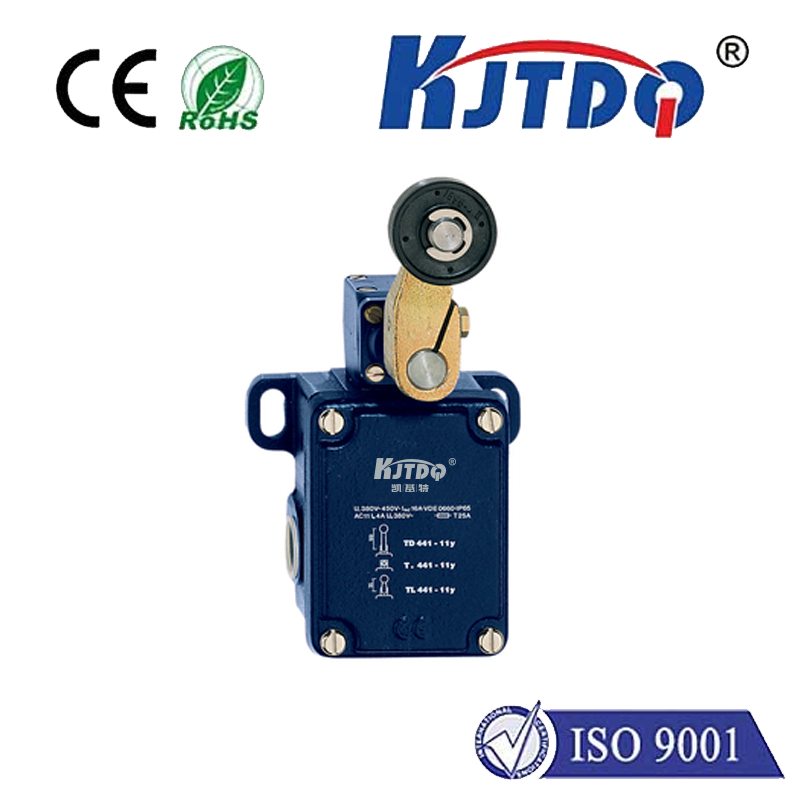
At its heart, a snap lock limit switch is a precision electromechanical device designed to detect the presence or absence of an object, or to monitor the position of a machine part. The "snap lock" mechanism refers to its quick-make and quick-break action. This means the contacts inside the switch open and close with a rapid, positive snap action, independent of the speed of the actuator's movement. This characteristic is crucial for eliminating contact arcing, ensuring a clean electrical signal, and significantly enhancing the switch's lifespan. The KJTDQ series embodies this principle with robust engineering, offering consistent performance even in demanding environments.
The construction of the KJTDQ snap lock limit switch is tailored for durability. Typically housed in a rugged, sealed enclosure made from materials like die-cast zinc or high-grade thermoplastics, it offers excellent resistance to dust, moisture, oil, and corrosive elements. Many models come with an IP67 rating, meaning they are completely protected against dust and can withstand temporary immersion in water. This makes them ideal for harsh settings such as manufacturing floors, food processing plants, packaging lines, and outdoor machinery.
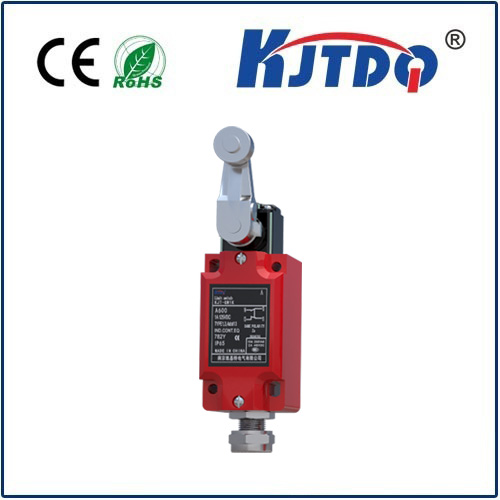
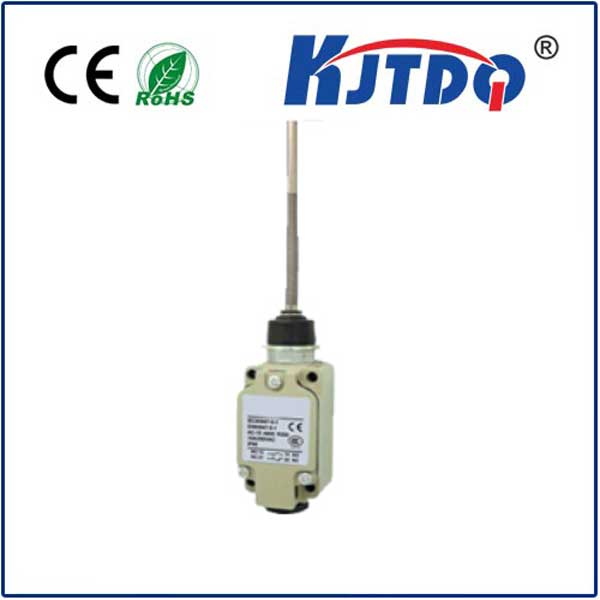
One of the standout features is its versatile actuation. The switch can be equipped with various types of actuators—roller levers, plungers, wobble sticks, or cat whiskers—to suit different triggering mechanisms. The snap-action mechanism inside ensures that once the actuator is moved to a certain point, the internal contacts change state definitively. This provides a clear, unambiguous signal to the programmable logic controller (PLC) or other control systems, which is essential for accurate positioning, sequencing, and safety interlocks. For instance, in an automated conveyor system, a KJTDQ switch can reliably signal when a pallet has reached the end of the line, triggering the next action without fail.
The applications of the KJTDQ snap lock limit switch are vast. In material handling, they are used to limit the travel of cranes and hoists, preventing over-travel accidents. In automotive assembly lines, they ensure robotic arms operate within their predefined safe zones. In packaging machinery, they detect the position of products for precise filling, sealing, or labeling operations. Their reliability is non-negotiable in safety-critical applications like elevator door control or emergency stop circuits, where a failure could have severe consequences.
From a maintenance and operational perspective, these switches offer significant advantages. Their long mechanical and electrical life—often rated for millions of cycles—reduces downtime and replacement costs. The clear audible and tactile feedback from the snap-action provides immediate confirmation of operation, aiding in troubleshooting. Furthermore, their simple design allows for easy installation and adjustment, saving valuable time during setup or reconfiguration of a production line.
Choosing the right limit switch is a strategic decision. The KJTDQ snap lock series stands out due to its combination of precision, durability, and adaptability. It provides engineers with a dependable component that translates physical position into a reliable electrical command, forming the backbone of countless automated processes. In an era where efficiency and safety are intertwined, investing in high-quality components like the snap lock limit switch is not just an operational choice but a strategic imperative for sustainable and productive industrial operations.