check

check

check

check

check

check
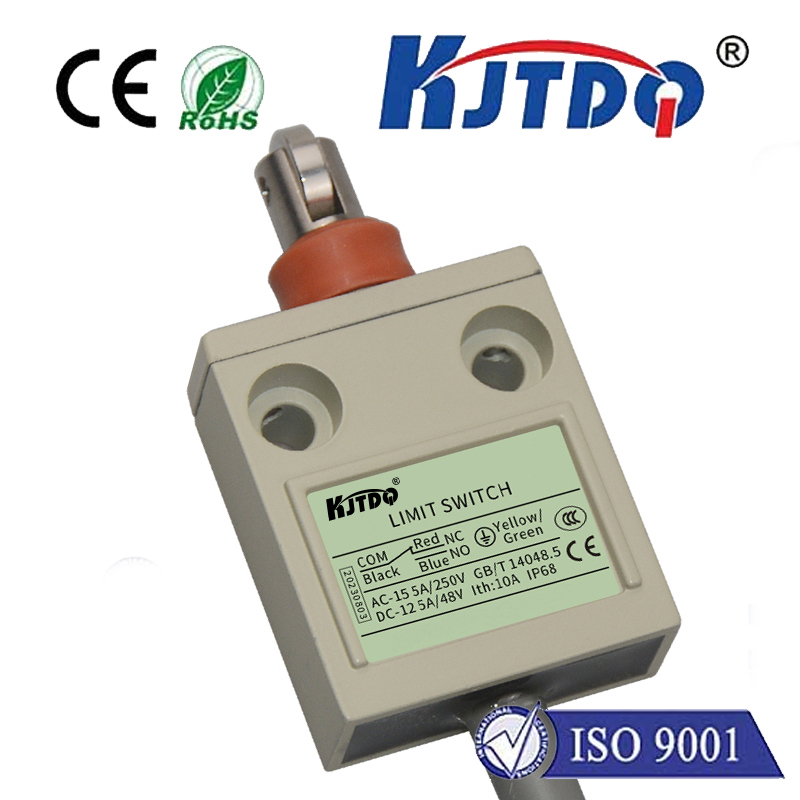
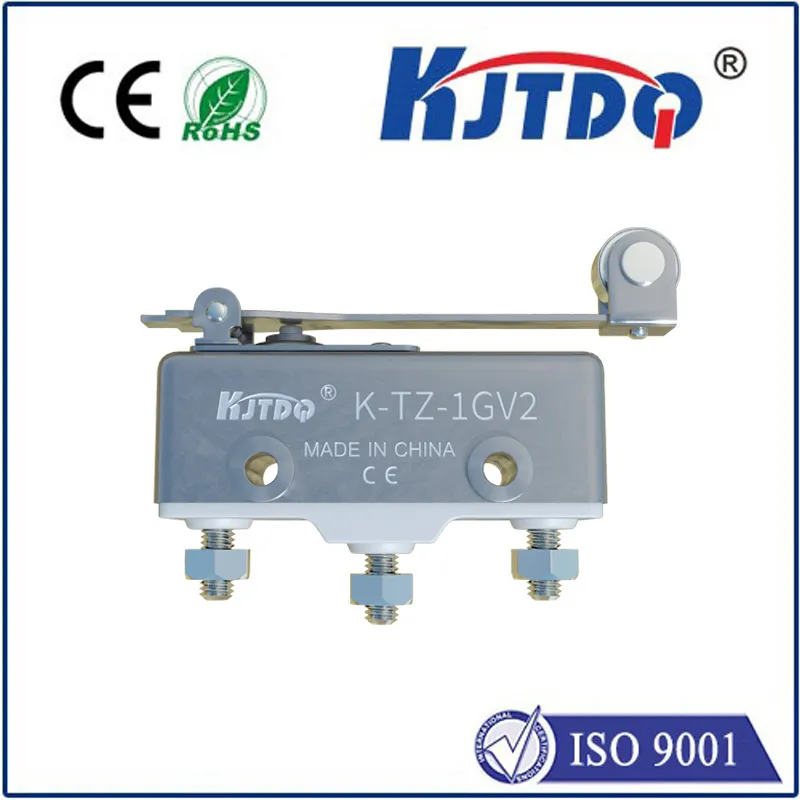
In modern industrial automation, precise control and reliable safety mechanisms are paramount. The limit switch for valves plays a critical role in achieving these objectives, serving as an essential component in fluid handling and process control systems. This device monitors the position of valves—whether they are fully open, fully closed, or at an intermediate state—and transmits this information to control systems, enabling automated responses and preventing operational failures.
Valves are ubiquitous in industries such as oil and gas, water treatment, chemical processing, and power generation. They regulate the flow of liquids, gases, and slurries, and their correct positioning is vital for system efficiency and safety. A limit switch attached to a valve actuator provides real-time feedback on valve status. For instance, in a pipeline system, if a valve fails to close completely due to debris or wear, the limit switch detects this anomaly and alerts operators or triggers shutdown procedures to avoid leaks or pressure buildups. This proactive monitoring reduces downtime and mitigates risks associated with manual checks.
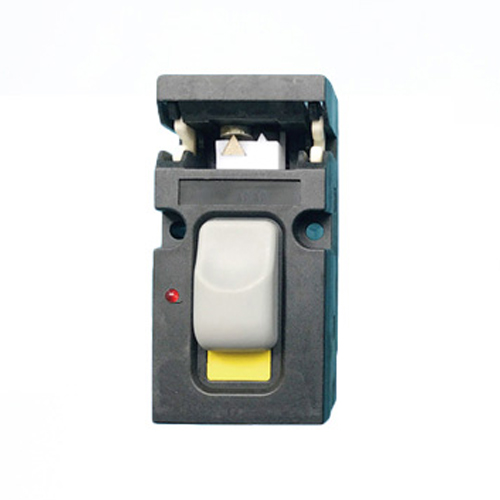
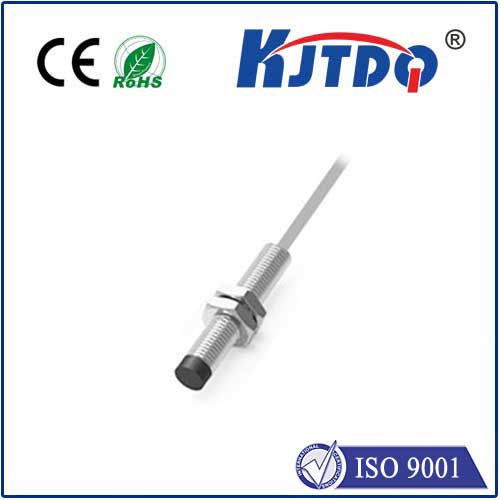
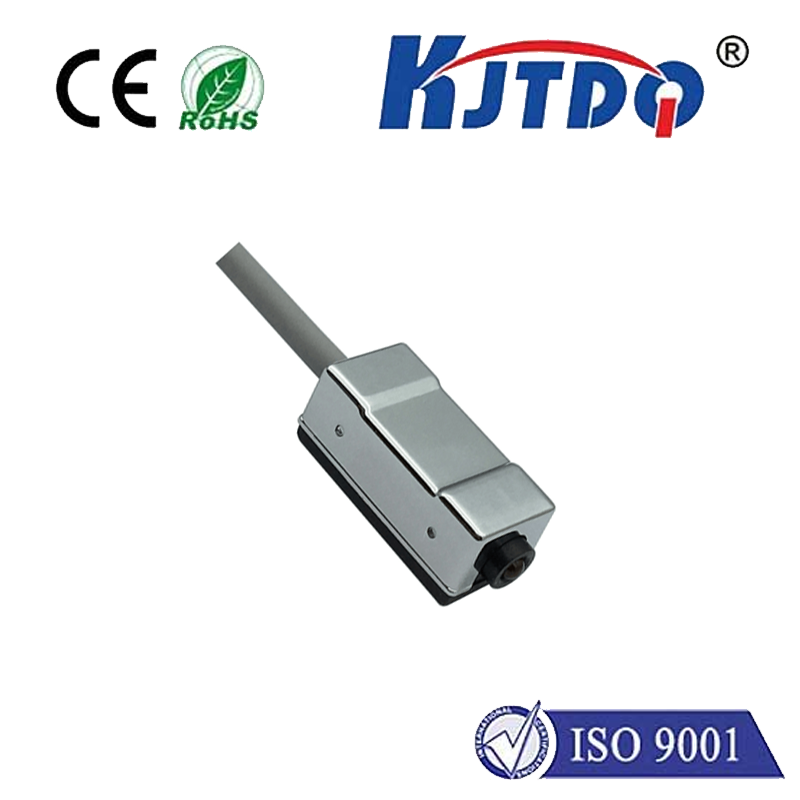
The design of limit switches for valves varies based on application requirements. Common types include rotary, linear, and proximity switches, each suited to different valve configurations and environmental conditions. Rotary limit switches are often used with quarter-turn valves like ball or butterfly valves, where they sense rotational movement. Linear switches, on the other hand, pair with gate or globe valves that move in a straight line. Proximity switches offer non-contact sensing, ideal for hazardous areas where sparks or physical contact could pose dangers. These switches are typically housed in robust enclosures rated for IP67 or higher, ensuring resistance to dust, moisture, and extreme temperatures.
Integration with control systems is another key aspect. Limit switches connect to programmable logic controllers (PLCs) or distributed control systems (DCS) via electrical signals. When a valve reaches a set position, the switch activates, sending a signal that can be used to sequence operations, such as starting pumps or adjusting flow rates. This interoperability enhances process automation, allowing for seamless coordination between multiple valves and equipment. In safety-critical applications, like emergency shutdown systems, limit switches provide fail-safe verification, ensuring valves actuate as commanded during incidents.
Maintenance and reliability are crucial for long-term performance. Limit switches for valves are engineered for durability, with components like stainless steel shafts and sealed contacts to withstand vibration and corrosion. Regular calibration and testing are recommended to maintain accuracy, especially in high-cycle operations. Advances in smart technology have led to the development of intelligent limit switches with diagnostic capabilities, such as predicting wear or detecting misalignment, further boosting system uptime.
In summary, the limit switch for valves is more than just a sensor; it is a linchpin for efficient and safe industrial operations. By delivering precise positional feedback, it enables automation, prevents accidents, and optimizes resource use. As industries evolve toward greater connectivity and automation, the demand for reliable limit switches continues to grow, underscoring their importance in modern engineering landscapes.