check

check

check

check

check

check
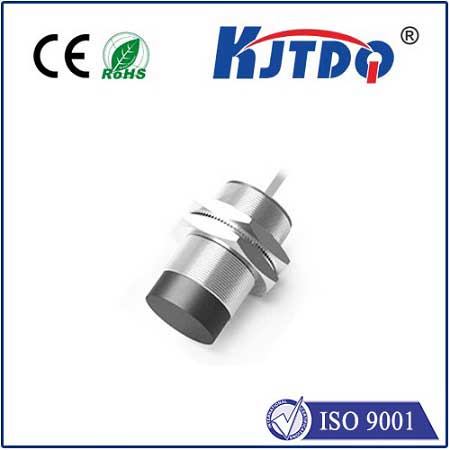
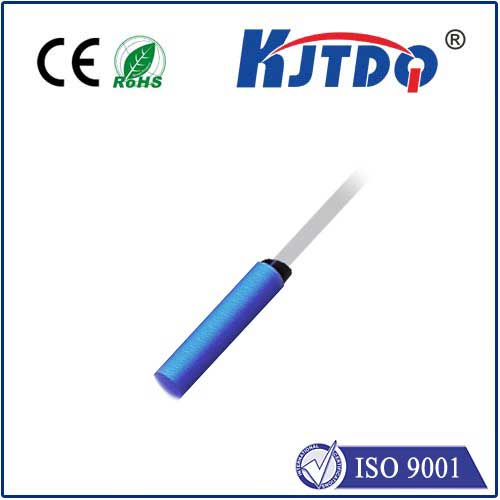
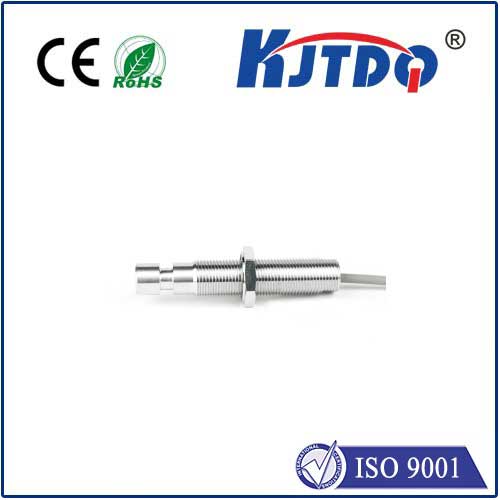
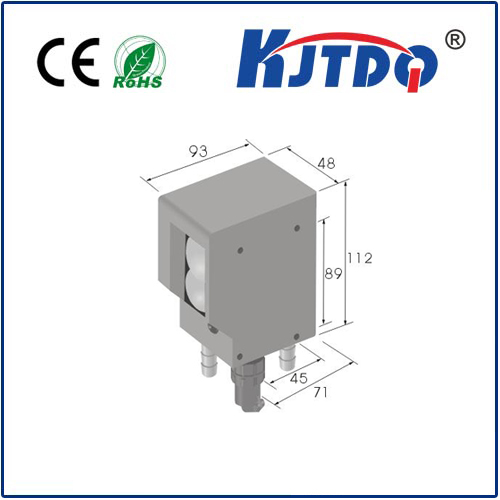
In the intricate world of industrial automation and machine control, the reliability of a single component can dictate the efficiency of an entire production line. Among the myriad of sensing technologies available, the DC 12-24V photoelectric proximity sensor stands out as a cornerstone for non-contact detection. This guide delves into the core principles, diverse applications, and critical selection criteria for these versatile sensors, providing a clear roadmap for engineers and system integrators.
At its heart, a photoelectric sensor operates on a simple yet powerful principle: it emits a beam of light (visible red, infrared, or laser) and detects changes in the received light signal. The "proximity" function typically refers to a diffuse reflective mode. In this setup, the sensor houses both the emitter and receiver. It detects an object when the light beam is reflected back from the object's surface. The "DC 12-24V" specification is crucial, indicating the sensor's operating voltage range. This wide range compatibility makes it exceptionally adaptable, capable of being powered directly by common DC power supplies found in control cabinets, mobile equipment, or alongside PLCs, without requiring additional voltage regulation in many cases.
The advantages of opting for a DC 12-24V photoelectric proximity sensor are multifaceted. Firstly, the DC power supply contributes to stable performance with minimal electrical noise interference, which is paramount in environments with sensitive electronics. Secondly, the wide voltage range offers significant installation flexibility, safeguarding the sensor against potential voltage fluctuations that are common in industrial settings. This inherent robustness translates to reduced downtime and maintenance costs. Furthermore, photoelectric sensors excel in detecting a vast array of materials—metal, plastic, wood, glass, and even liquids—provided the object's surface reflects enough light. They also offer relatively long sensing distances compared to inductive proximity sensors, which are limited to metals.
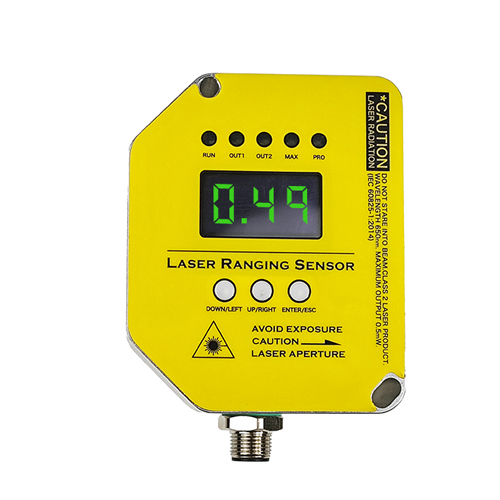
When selecting the right sensor for an application, several factors move beyond the basic voltage specification. The sensing distance, or range, must be carefully considered with a built-in safety margin. The type of light source is another key decision; laser models provide precise, long-range detection for small objects, while standard infrared or red light models are cost-effective for general purposes. The output configuration (PNP/NPN, NO/NC) must be compatible with the controller's input card. Environmental conditions cannot be an afterthought. Factors like ambient light, dust, fog, or heavy washdown requirements dictate the need for specific housing materials (e.g., stainless steel), ingress protection (IP) ratings like IP67 or IP69K, and specialized lenses. For instance, a sensor in a food packaging plant would require a hygienic stainless-steel housing and resistance to high-pressure cleaning.
Real-world applications are where these sensors prove their worth. In packaging machinery, they accurately count bottles or detect the presence of a label on a conveyor. In automated assembly lines, they verify if a component has been placed correctly before the next robotic operation. Within the automotive industry, these sensors monitor the position of vehicle parts on robotic welding arms. They are also indispensable in material handling, controlling the fill level in silos or detecting the edge of materials like paper or fabric in unwinding processes. The DC power capability makes them ideal for battery-operated or mobile applications, such as in automated guided vehicles (AGVs) for obstacle detection or position verification.
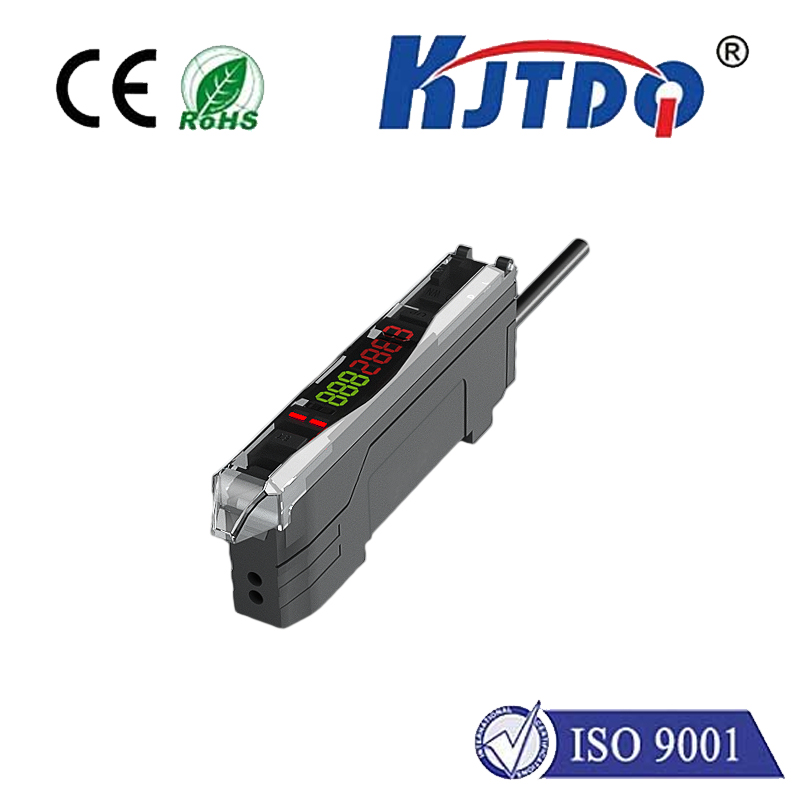
Installation and maintenance are straightforward but require attention to detail. Ensuring a stable power supply within the 12-24V DC range is the first step. The sensor must be mounted securely, aligned correctly with the target path, and positioned to avoid background interference—a common issue in diffuse mode where highly reflective surfaces behind the intended target can cause false triggers. Regular cleaning of the lens is a simple but vital maintenance task to prevent false readings caused by dust or grime accumulation. Most modern sensors feature LED indicators for power and output status, providing immediate visual diagnostics for troubleshooting.
In conclusion, the DC 12-24V photoelectric proximity sensor is more than just a component; it is a reliable and flexible solution for modern detection challenges. Its wide voltage acceptance, material versatility, and proven durability make it a default choice for engineers designing systems that demand precision and reliability. By understanding its operating principles and carefully matching its specifications to the application's environmental and functional needs, one can unlock significant gains in automation efficiency and system uptime. As technology advances, these sensors continue to evolve with features like IO-Link connectivity for digital parameter setting and diagnostics, further solidifying their role as intelligent eyes of the factory floor.