check

check

check

check

check

check
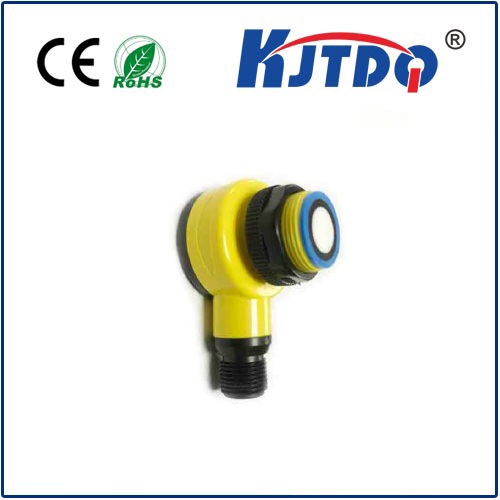
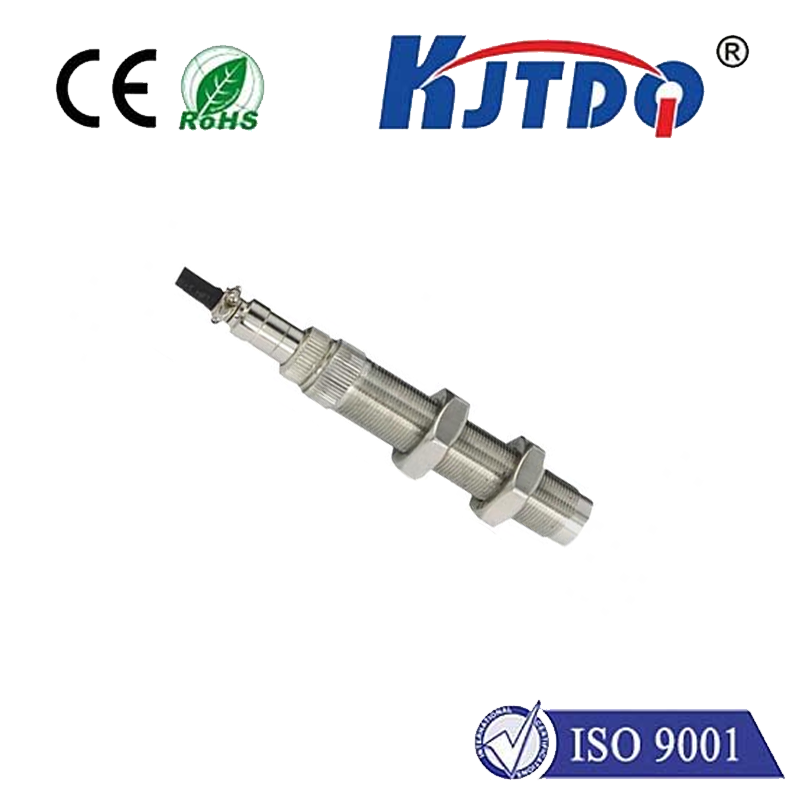
In the dynamic landscape of industrial automation, the quest for reliability, speed, and accuracy is unending. At the heart of many sophisticated systems lies a critical component: the automatic photoelectric sensor. This technology, often designated with identifiers like KJTDQ in specific product lines or catalogs, represents a cornerstone of modern sensing solutions. Unlike manual or mechanical detection methods, these sensors operate seamlessly, providing continuous, real-time feedback without human intervention.
The fundamental principle behind an automatic photoelectric sensor is elegantly straightforward. It utilizes a light emitter, typically an LED, and a receiver. The sensor detects changes in the light beam's properties—whether through beam interruption (through-beam), reflection from the target (retro-reflective), or reflection from the object itself (diffuse). This detection event triggers an automatic output signal. This "automatic" functionality is key; the sensor constantly monitors its environment and instantaneously communicates the presence, absence, or position of an object to a programmable logic controller (PLC) or other control system. This enables immediate and precise actions, such as starting a conveyor belt, counting items, or positioning robotic arms.
The integration of automatic photoelectric sensors, including models like the KJTDQ series, brings transformative benefits to production lines. First and foremost is enhanced efficiency. By automating detection tasks, these sensors eliminate bottlenecks and enable faster cycle times. Machines can operate at optimal speeds with consistent precision, directly boosting throughput. Secondly, they significantly improve accuracy. Capable of detecting objects as small as a fraction of a millimeter, they ensure precise positioning and sorting, drastically reducing errors and material waste. This level of accuracy is paramount in industries like electronics assembly, pharmaceutical packaging, and automotive manufacturing.
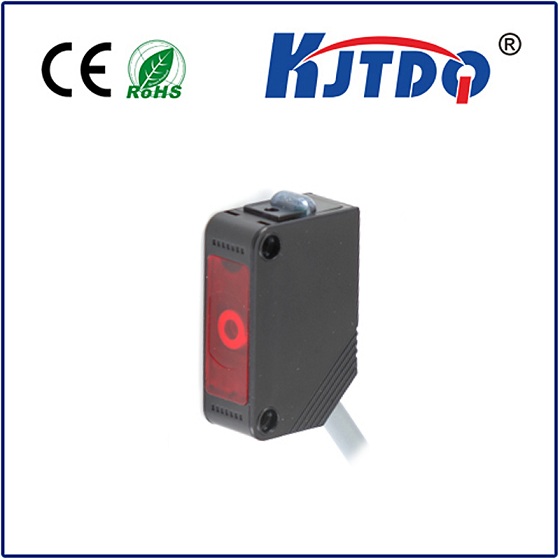
Durability and adaptability are further hallmarks of advanced photoelectric sensors. Designed for harsh industrial environments, they are often housed in robust casings resistant to dust, moisture, and vibration. Many offer versatile features such as adjustable sensing ranges, teach-in functions for easy setup, and various output configurations (NPN/PNP, analog, or IO-Link). This flexibility allows the same sensor type, such as a KJTDQ diffuse model, to be deployed in diverse applications—from detecting transparent bottles on a filling line to ensuring the correct placement of components on a circuit board.
Consider a typical application in logistics: a high-speed parcel sorting facility. Automatic through-beam sensors are positioned along conveyor chutes. As each package breaks the light beam, the sensor automatically sends a signal. This data is used to track parcel flow, trigger diverters to route packages to correct destinations, and maintain an accurate count—all without any manual counting or lag. The reliability of these sensors ensures the smooth, 24/7 operation critical to modern supply chains.
Another critical application is in safety systems. Light curtains, which are arrays of photoelectric sensors, create an invisible protective barrier around dangerous machinery. If the beam is interrupted by a worker's hand, the system automatically halts the machine, preventing accidents. This automatic response is non-negotiable for safeguarding personnel and complies with stringent industrial safety regulations.
The evolution of Industry 4.0 and the Industrial Internet of Things (IIoT) is further amplifying the value of automatic photoelectric sensors. Modern sensors are becoming smarter, with integrated diagnostics and network connectivity. They can not only perform their primary detection task but also communicate their health status, report operating hours, and even predict maintenance needs. This shift from simple sensing to providing valuable data points enables predictive maintenance, reduces unplanned downtime, and contributes to smarter, more connected factories.
Selecting the right automatic photoelectric sensor requires careful consideration of the application's specific needs. Factors such as sensing range, target material (opaque, transparent, or shiny), required response time, environmental conditions (temperature, exposure to chemicals), and the required output type are all crucial. Consulting with technical specialists and referring to detailed product specifications, including for series like KJTDQ, ensures the chosen sensor delivers optimal performance and longevity.
In conclusion, the automatic photoelectric sensor is far more than a simple switch. It is an intelligent, reliable, and indispensable eye of the automated industrial world. By enabling precise, hands-free detection and control, technologies embodied in products like the KJTDQ series drive significant gains in productivity, quality, and safety. As automation continues to advance, these sensors will remain fundamental components, evolving to meet the ever-growing demands for smarter and more efficient industrial operations.