check

check

check

check

check

check
In the realm of industrial automation, precision and reliability are non-negotiable. The photoelectric switch feeding sensor stands as a critical component in this ecosystem, ensuring seamless material handling and process control. Unlike traditional mechanical sensors, this device operates on the principle of light beam modulation, detecting the presence, absence, or distance of objects without physical contact. This non-invasive method significantly reduces wear and tear, leading to lower maintenance costs and extended operational lifespans for machinery.
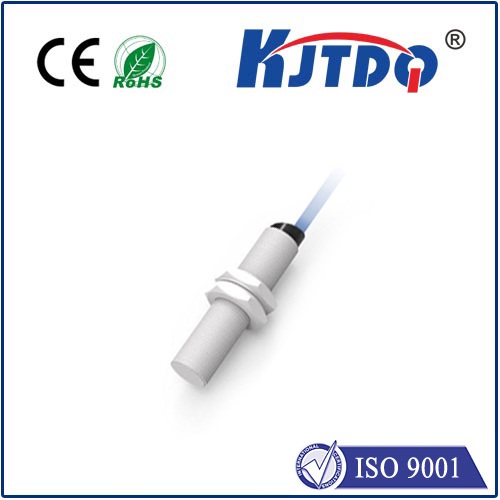
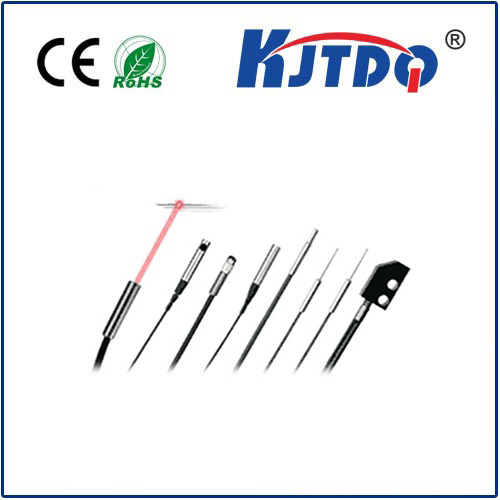
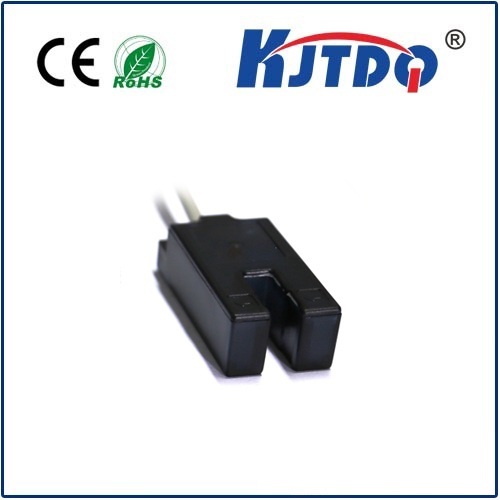
A typical photoelectric switch feeding sensor comprises an emitter, which projects a light beam—often infrared, visible red, or laser—and a receiver that detects the beam's status. When an object interrupts or reflects this beam, the sensor triggers a signal to the control system. This simple yet effective mechanism is pivotal in feeding applications across various industries. For instance, in packaging lines, these sensors accurately detect the position of products on conveyor belts, ensuring precise timing for sorting, filling, or labeling. In automotive assembly, they monitor the feed of components, preventing jams and optimizing workflow.
The advantages of using a photoelectric switch for feeding tasks are manifold. First, its high-speed response capability allows for real-time detection, crucial in fast-paced production environments where even milliseconds matter. Second, the sensor's versatility shines through its multiple operating modes: through-beam, retro-reflective, and diffuse reflective. The through-beam mode, with separate emitter and receiver units, offers the longest detection range and highest reliability, ideal for large-scale feeding systems. Retro-reflective models use a reflector to bounce the beam back, providing a balanced solution for medium distances. Diffuse reflective sensors, where the emitter and receiver are housed together, detect objects based on light reflection, perfect for compact spaces or detecting varied surface materials.
Durability is another key benefit. Many photoelectric switch feeding sensors are built with rugged housings resistant to dust, moisture, and chemical exposure, complying with IP67 or higher ratings. This robustness ensures consistent performance in harsh industrial settings, from food processing plants to metal fabrication workshops. Moreover, modern iterations come with advanced features like background suppression, which ignores distant objects, and teach-in functionality for easy calibration, reducing setup time and human error.
Integration into automated systems is straightforward, thanks to standardized output signals such as PNP, NPN, or analog outputs, compatible with PLCs (Programmable Logic Controllers) and other control units. This plug-and-play nature accelerates deployment, allowing factories to quickly adapt to changing production demands. In smart manufacturing contexts, these sensors contribute to data collection for predictive maintenance, alerting operators to potential feed issues before they cause downtime.
Selecting the right photoelectric switch feeding sensor involves considering factors like detection range, object size, material type, and environmental conditions. For transparent or glossy objects, specialized sensors with polarized filters may be necessary to avoid false triggers. Regular cleaning of lenses and periodic alignment checks are recommended to maintain accuracy, though the lack of moving parts minimizes routine upkeep.
In summary, the photoelectric switch feeding sensor is an indispensable tool for modern automation, driving efficiency, safety, and cost savings. Its ability to provide non-contact, precise detection makes it a cornerstone in optimizing feeding processes, from raw material intake to finished product dispatch. As industries continue to embrace Industry 4.0, the role of such sensors will only grow, underpinning smarter, more responsive manufacturing ecosystems.