check

check

check

check

check

check
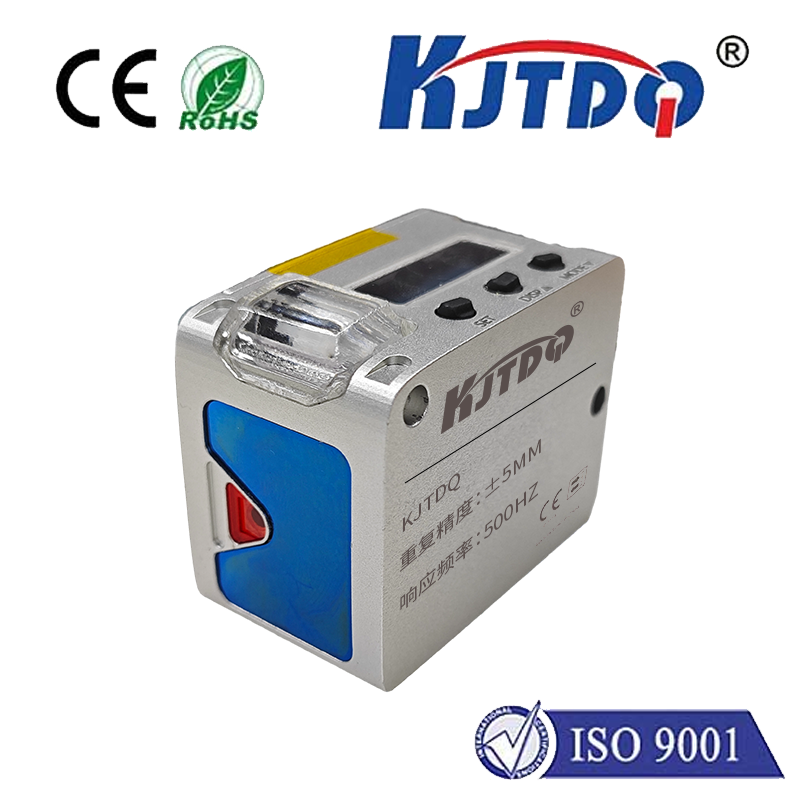
In the intricate world of industrial automation and smart product design, precision, reliability, and efficiency are non-negotiable. Among the myriad of sensing technologies available, the reflection photoelectric switch sensor stands out as a cornerstone component. This device is pivotal for countless applications, from packaging lines and assembly robots to consumer electronics and security systems. Its fundamental principle is elegantly simple yet profoundly effective: it emits a beam of light, typically from an LED, and detects the reflection of that light from a target object. The presence or absence of this reflected signal triggers a switch, enabling non-contact detection, counting, positioning, and quality control.
Unlike through-beam sensors that require a separate emitter and receiver, the reflection photoelectric sensor integrates both elements into a single, compact housing. This design simplifies installation and alignment, making it exceptionally versatile for space-constrained product integration. There are two primary subtypes: diffuse reflection sensors and retro-reflective sensors. Diffuse sensors detect light reflected directly off the target object itself, making them ideal for detecting objects of varying colors and surfaces at relatively short ranges. Retro-reflective models, on the other hand, use a dedicated reflector; the sensor triggers when an object interrupts the beam between the sensor and the reflector, allowing for longer sensing distances and more consistent performance.
The selection of a reflection photoelectric switch for a specific product hinges on several critical technical parameters. Sensing range is paramount; engineers must ensure the sensor can reliably detect objects at the required distance. The response time determines how quickly the sensor can react to a passing object, which is crucial for high-speed production lines. Environmental factors such as ambient light, dust, fog, or temperature fluctuations must also be considered. Modern sensors often feature built-in immunity to ambient light interference and rugged housings with high IP ratings for durability in harsh conditions. Furthermore, output types—be it NPN, PNP, analog, or a digital communication protocol—must be compatible with the product's control system.
The practical applications are vast and transformative. In manufacturing, these sensors are the eyes of automated machinery, ensuring components are present and correctly positioned before a robotic arm performs an operation. In logistics, they count boxes on conveyor belts with unerring accuracy. Within consumer products, a reflection photoelectric sensor might be the unseen component that detects when a printer cover is closed or when a hand is placed under a soap dispenser, enabling touch-free operation. Their non-contact nature eliminates mechanical wear and tear, leading to significantly higher longevity and reduced maintenance costs compared to mechanical limit switches.
Implementing this technology successfully requires careful planning. Proper mounting and alignment are essential to avoid false triggers or missed detections. For diffuse sensors, the reflectivity of the target object is a key variable; a matte black surface reflects much less light than a glossy white one, which may necessitate sensor adjustment or model selection. Regular cleaning of the lens is a simple but vital maintenance task to prevent performance degradation from accumulated dust or grime. For developers, many sensor manufacturers provide evaluation kits and detailed application notes, allowing for thorough testing and integration before final product design freeze.
As Industry 4.0 and the Internet of Things (IoT) continue to evolve, the humble reflection photoelectric switch is becoming smarter. Newer models incorporate advanced features like IO-Link communication, which enables remote configuration, real-time diagnostics, and predictive maintenance data streaming. This connectivity transforms the sensor from a simple binary switch into an intelligent node in a networked production ecosystem, providing valuable insights into machine health and process efficiency.
In conclusion, the reflection photoelectric switch sensor is an indispensable, versatile, and robust solution for modern product automation. Its ability to provide reliable, non-contact detection drives efficiency, enhances safety, and enables sophisticated functionalities across a breathtaking array of industries. For any engineer or designer tasked with integrating sensing into a product, a deep understanding of this technology's capabilities and considerations is a powerful asset in creating smarter, more responsive, and more competitive automated solutions.