check

check

check

check

check

check
In the intricate world of industrial automation and machinery, the reliability of every component is paramount. Among these critical components, proximity sensors stand as silent sentinels, ensuring seamless operation and safety. The Sanil Proximity Sensor model SKD-12M-T emerges as a standout solution in this category, offering precision and durability for demanding applications. This guide delves into the features, benefits, and practical uses of this robust inductive sensor.
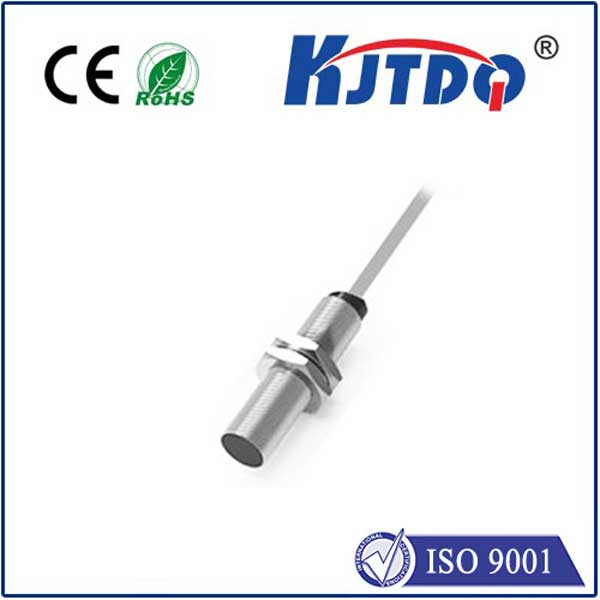
The Sanil SKD-12M-T is an inductive proximity sensor designed for non-contact detection of metallic objects. Its core principle of operation is based on generating an electromagnetic field. When a metal target enters this field, it causes a change in the oscillation amplitude within the sensor, triggering a solid-state output switch. This mechanism allows for detection without physical contact, eliminating mechanical wear and tear and significantly enhancing the sensor's operational lifespan compared to mechanical limit switches.
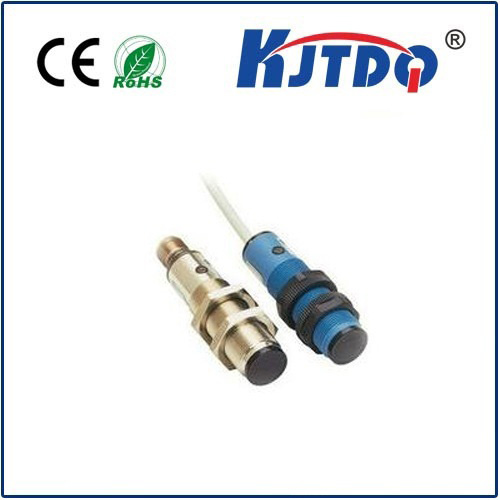
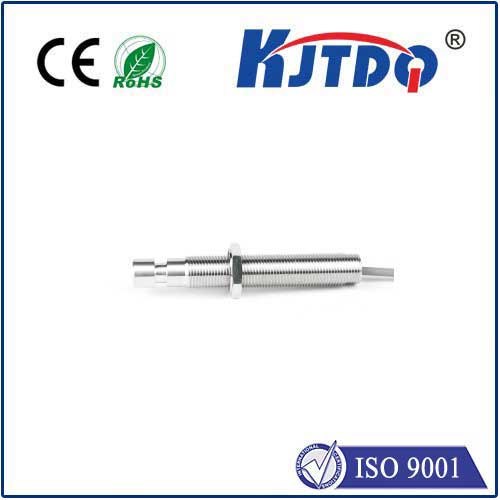
One of the defining characteristics of the SKD-12M-T is its compact cylindrical M12 housing. This form factor makes it exceptionally easy to install in space-constrained environments, a common challenge in modern machinery design. The sensor is typically threaded, allowing for quick mounting and adjustment. Its construction is rugged, often featuring a nickel-plated brass or stainless-steel barrel, providing excellent resistance to oils, coolants, and minor physical impacts commonly found in industrial settings like machining centers, assembly lines, and packaging equipment.
The technical specifications of the SKD-12M-T underscore its versatility. It usually operates on a wide DC voltage range, such as 10-30V DC, making it compatible with standard industrial control systems. Its sensing distance, while dependent on the specific target material and size, is optimized for precise detection at short ranges, typical for position sensing, counting, or end-of-travel applications. The "T" in the model number frequently denotes a Normally Open (NO) output configuration, which is a common and intuitive setup for control logic. The sensor provides a digital output signal, either PNP or NPN (sourcing or sinking), which can be directly interfaced with Programmable Logic Controllers (PLCs), relays, or other control devices.
The benefits of integrating the Sanil SKD-12M-T into a system are multifaceted. First and foremost is its high reliability. With no moving parts to wear out, it offers millions of cycles of fault-free operation, reducing maintenance downtime and costs. Its fast response speed enables high-speed counting and detection, crucial for modern high-throughput production lines. Furthermore, its immunity to environmental factors like dust, dirt, and moisture (often rated IP67, meaning dust-tight and protected against temporary immersion) ensures consistent performance even in harsh conditions. This reliability translates directly into improved process consistency, product quality, and overall equipment effectiveness (OEE).
Practical applications for this sensor are vast across manufacturing and automation. It is perfectly suited for detecting the presence or absence of metal parts on a conveyor, verifying the closed position of a metal door or guard, counting metal components as they pass a point, or confirming the correct positioning of a robotic arm or tooling fixture. In automotive manufacturing, for instance, these sensors are indispensable for verifying part placement before a welding operation. In packaging machinery, they ensure a metal foil lid is correctly positioned before sealing.
When selecting and installing the SKD-12M-T, several best practices ensure optimal performance. It is crucial to consider the target material; inductive sensors are most sensitive to ferrous metals like steel and iron. The sensing distance can be reduced for non-ferrous metals like aluminum or copper. Proper mounting is also key—ensuring the sensor is not over-tightened and that there is adequate clearance from surrounding metal structures to prevent false triggering. Regular cleaning of the sensing face from accumulated debris, despite its ruggedness, will maintain its accuracy over time.
In conclusion, the Sanil Proximity Sensor SKD-12M-T represents a blend of robust engineering and practical design. Its non-contact sensing principle, durable construction, and reliable performance make it a fundamental building block for efficient and safe industrial automation. By providing accurate and maintenance-free detection, it helps systems run smoother, longer, and more predictably. For engineers and maintenance professionals seeking a dependable solution for metallic object detection, the SKD-12M-T stands as a proven and trustworthy choice, capable of meeting the rigorous demands of today's automated industrial environments.