check

check

check

check

check

check
In today's rapidly evolving world of smart technology and health-conscious living, the demand for precise environmental monitoring has never been higher. Enter the proximity and air quality sensor, a sophisticated dual-function device that is quietly revolutionizing how we interact with and understand our surroundings. This guide delves deep into the technology, applications, and undeniable benefits of these intelligent sensors, providing a comprehensive look at why they are becoming an indispensable tool for homes, offices, and industries alike.
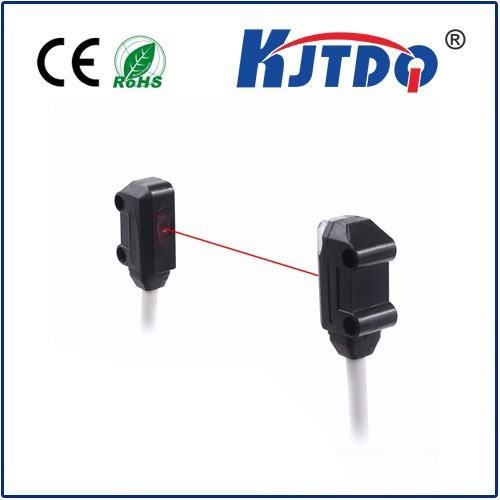
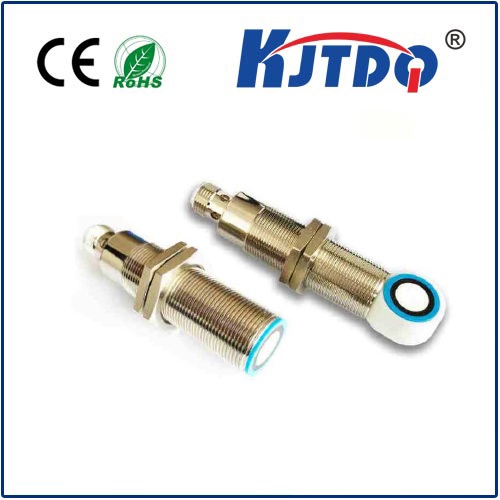
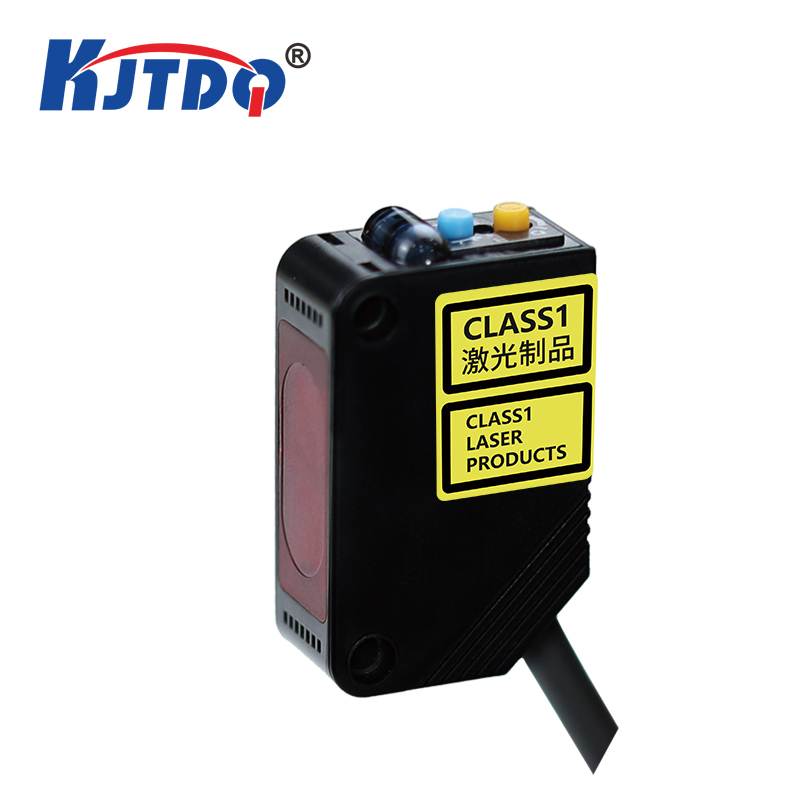
At its core, a proximity and air quality sensor is a compact electronic module that combines two critical sensing capabilities. The proximity component typically uses infrared (IR) or ultrasonic technology to detect the presence, absence, or distance of nearby objects without any physical contact. This allows for touchless control, automatic activation, and enhanced user interaction with devices. Simultaneously, the air quality component employs advanced electrochemical or laser-scattering techniques to measure concentrations of various pollutants. These can include particulate matter (PM2.5 and PM10), volatile organic compounds (VOCs) like formaldehyde and benzene, carbon dioxide (CO2), and sometimes even specific gases like carbon monoxide or nitrogen dioxide. The integration of these two functions into a single, efficient package is a feat of modern engineering.
The practical applications of this combined sensor technology are vast and growing. In the realm of smart homes and buildings, these sensors form the brain of automated HVAC (Heating, Ventilation, and Air Conditioning) systems. Imagine walking into a room: the proximity sensor detects your presence, triggering the lights and climate control to activate. Concurrently, the air quality sensor continuously monitors the indoor atmosphere. If CO2 levels rise due to occupancy or VOC concentrations increase from cleaning products, the system can automatically increase ventilation by adjusting smart vents or activating air purifiers, ensuring optimal comfort and health without any manual intervention. This not only enhances well-being but also contributes to significant energy savings by operating systems only when needed.
Beyond comfort, these sensors play a pivotal role in health and safety. In workplaces, schools, and hospitals, maintaining high air quality is paramount for cognitive function, productivity, and infection control. A proximity and air quality sensor can monitor crowded spaces, prompting alerts or automated responses when air quality deteriorates, thus helping to mitigate the spread of airborne illnesses and reduce sick building syndrome. In industrial settings, they safeguard workers by monitoring for hazardous gas leaks while also managing machinery through proximity-based automation, creating a safer operational environment.
The consumer electronics market has also warmly embraced this technology. Modern smartphones, tablets, and laptops often incorporate basic proximity sensors to disable touchscreens during calls and conserve battery. The integration of air quality sensing is the next frontier, potentially allowing personal devices to provide users with real-time environmental data about their immediate vicinity, empowering individuals to make informed decisions about their activities and health.
From a technical perspective, the development of these sensors focuses on accuracy, miniaturization, low power consumption, and seamless connectivity. Modern units boast impressive precision, with air quality sensors capable of detecting particulate matter in micrograms per cubic meter and proximity sensors accurate to within millimeters. They are designed to operate on minimal power, making them ideal for battery-powered Internet of Things (IoT) devices. Furthermore, they easily integrate with wireless protocols like Wi-Fi, Bluetooth Low Energy (BLE), or Zigbee, streaming data to central hubs, smartphones, or cloud platforms for analysis, historical tracking, and integration with broader smart ecosystems.
The benefits of deploying a proximity and air quality sensor system are multifaceted. Primarily, they promote a healthier living and working environment by providing actionable data to reduce exposure to harmful pollutants, which is linked to respiratory problems, allergies, and long-term health issues. Secondly, they drive energy efficiency by enabling context-aware automation, ensuring devices and systems operate only when necessary. Thirdly, they offer unparalleled convenience and a futuristic user experience through touchless interactions and automated responses. Finally, the data collected can provide valuable insights for facility management, urban planning, and personal health tracking.
Looking ahead, the future of proximity and air quality sensors is intertwined with advancements in artificial intelligence and machine learning. Smarter algorithms will enable predictive analytics, where the sensor can learn usage patterns and environmental trends to anticipate needs and problems before they arise. Integration with city-wide networks could contribute to hyper-local air quality maps, providing public health data at an unprecedented granular level.
In conclusion, the proximity and air quality sensor is far more than a simple gadget; it is a cornerstone technology for building responsive, healthy, and efficient environments. As awareness of indoor air quality's impact on health grows and the demand for smart automation increases, these versatile sensors will continue to see adoption across every sector. Whether you are a homeowner seeking a healthier living space, a business owner aiming to improve workplace wellness and efficiency, or a developer creating the next generation of smart devices, understanding and utilizing this dual-sensing technology is a step toward a smarter, safer, and more sustainable future.