check

check

check

check

check

check
In the rapidly evolving landscape of industrial automation, precision, reliability, and durability are non-negotiable. Among the myriad of components that form the backbone of modern manufacturing and control systems, proximity sensors stand out as critical elements for non-contact detection. Fotek, a prominent name in the sensor technology arena, offers a comprehensive range of proximity sensors designed to meet the rigorous demands of diverse industrial applications. This guide delves into the world of Fotek proximity sensors, exploring their technology, applications, and the tangible benefits they bring to automated processes.
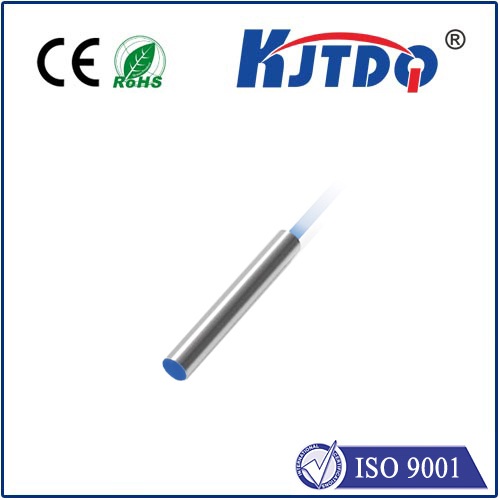
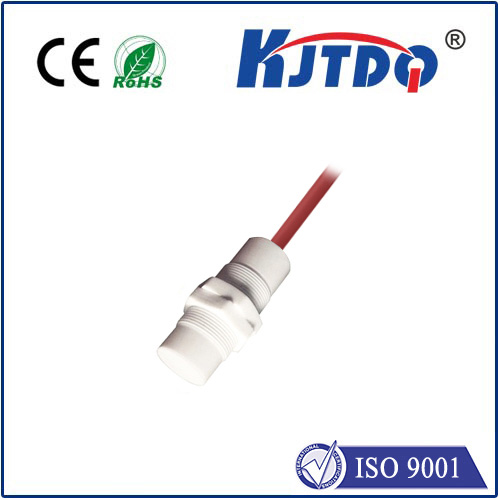
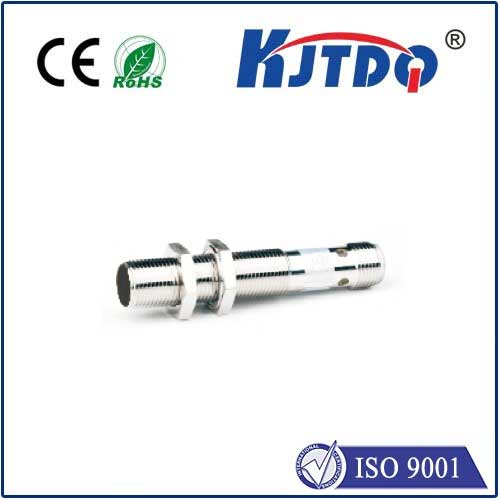
Fotek proximity sensors are primarily inductive sensors, renowned for their ability to detect metallic objects without any physical contact. This operating principle is based on generating an electromagnetic field. When a metallic target enters this field, it induces eddy currents within the target, causing a change in the oscillation amplitude of the sensor's internal circuit. The sensor's electronics detect this change and trigger a solid-state output switch. This mechanism ensures high-speed, wear-free operation, making these sensors ideal for environments with high cycle rates or where contact-based detection would lead to premature failure.
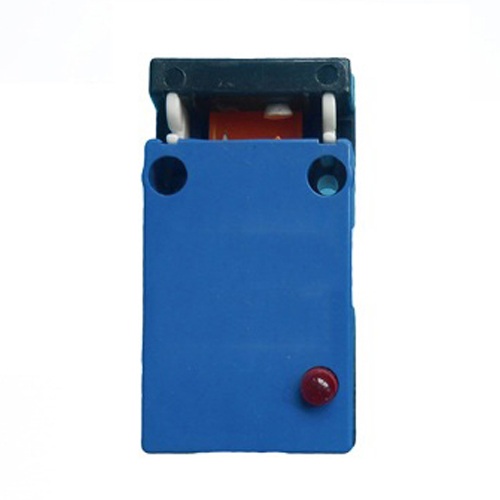
The product lineup from Fotek is diverse, catering to various needs. Key series include standard cylindrical models (e.g., Fotek PM series), rectangular or block-type sensors for space-constrained installations, and specialized variants like analog output sensors for distance measurement and weld-field immune models designed to function reliably in areas with strong electromagnetic interference from welding equipment. These sensors are available in different sensing ranges, from a few millimeters to several tens of millimeters, and output configurations including NPN (sinking) and PNP (sourcing) to seamlessly integrate with different PLC (Programmable Logic Controller) systems.
The real-world applications of Fotek proximity sensors are vast and integral to industrial efficiency. On automated assembly lines, they are used for precise part positioning, verifying the presence of components, and counting objects. In packaging machinery, they ensure correct bottle cap placement or carton flap detection. Within robotic cells, these sensors provide critical feedback for arm positioning and end-of-arm tooling. Metal machining centers utilize them for tool breakage detection and workpiece positioning. Their robust construction, often featuring IP67 or higher ingress protection ratings, allows them to perform consistently in harsh conditions plagued by dust, coolants, oil, and vibrations.
Choosing Fotek proximity sensors translates into several operational advantages for engineers and plant managers. First is enhanced reliability. The non-contact nature eliminates mechanical wear, leading to a significantly longer service life compared to mechanical limit switches. This reduces downtime and maintenance costs. Second is precision and speed. They offer repeatable accuracy and can detect objects at very high speeds, which is crucial for modern high-throughput production lines. Third is versatility. With a wide range of sizes, shapes, and specifications, finding a suitable sensor for a specific niche application is straightforward. Finally, their robust design ensures stable performance in challenging industrial environments, contributing to overall system resilience.
When integrating these sensors, proper consideration is vital for optimal performance. Factors such as the target material (ferrous metals like iron and steel are detected at the nominal range, while non-ferrous metals like aluminum or copper have a reduced sensing distance), the installation environment (accounting for mutual interference if sensors are mounted too close to each other), and electrical compatibility with the control system must be carefully evaluated. Following the manufacturer's guidelines for mounting, wiring, and maintenance is essential to unlock the full potential and longevity of the sensor.
In conclusion, Fotek proximity sensors represent a blend of sophisticated technology and practical engineering tailored for industrial automation. Their ability to provide reliable, non-contact detection of metallic objects makes them indispensable in creating smarter, faster, and more efficient manufacturing processes. From simple presence detection to complex positional feedback in robotic systems, these sensors deliver the performance needed to keep production lines moving and quality standards high. For any operation seeking to improve automation reliability and reduce mechanical maintenance, incorporating Fotek proximity sensors is a strategically sound investment in operational excellence.