check

check

check

check

check

check
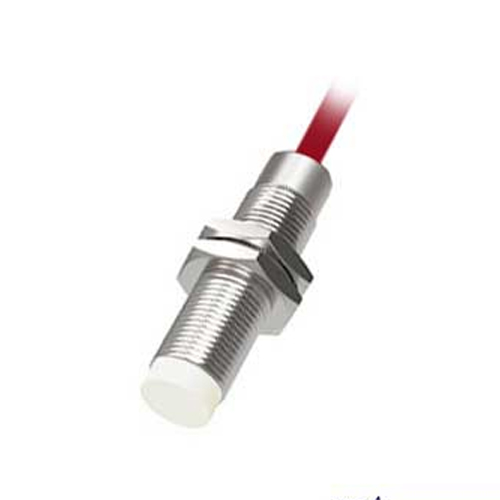
In the rapidly evolving landscape of industrial automation, the demand for reliable, precise, and robust sensing solutions is paramount. Among the myriad of components that form the backbone of modern manufacturing and control systems, the 24v proximity sensor stands out as a critical element. This device, operating on a standard 24-volt DC power supply commonly found in industrial environments, offers a non-contact method of detection, bringing unparalleled advantages to automated processes. The integration of such sensors, exemplified by the KJTDQ series, is revolutionizing how machines interact with their surroundings, ensuring both operational efficiency and enhanced safety protocols.
The fundamental principle behind a 24v proximity sensor is its ability to detect the presence or absence of a target object without any physical contact. It achieves this through electromagnetic fields, inductive or capacitive technologies. Inductive sensors, for instance, generate an oscillating electromagnetic field. When a metallic object enters this field, it causes a change in the oscillation amplitude, which the sensor detects and converts into a switching signal. The 24v DC operation is particularly advantageous as it aligns with the standard control voltage used in Programmable Logic Controllers (PLCs), motor drives, and other industrial control equipment, simplifying wiring and reducing the need for additional power conversion modules.
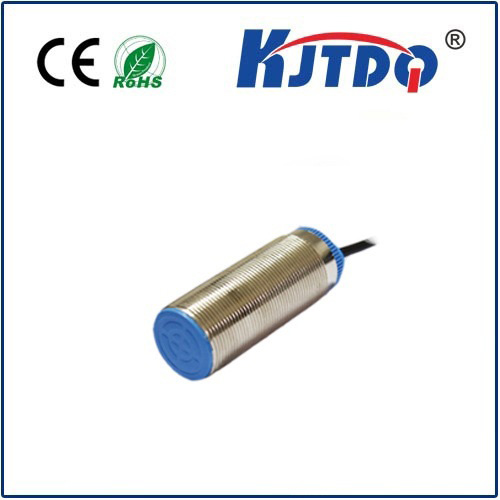
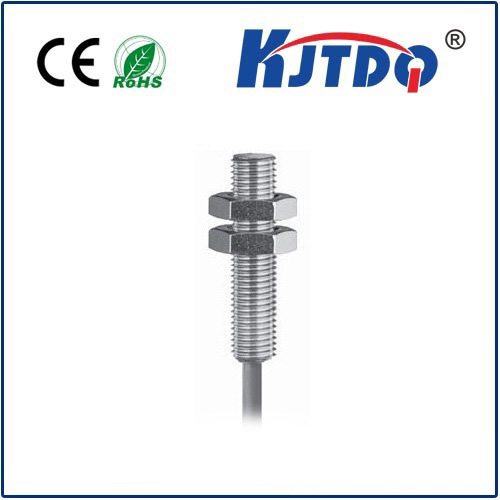
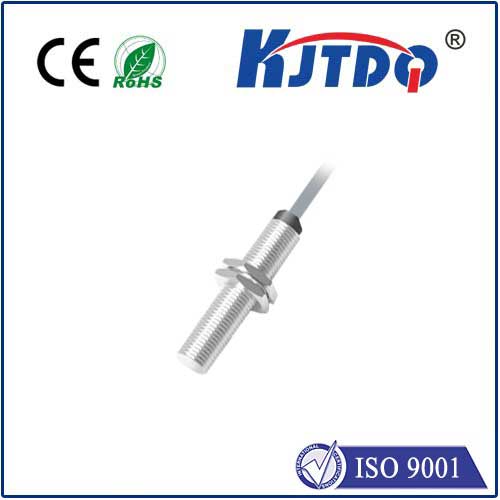
The application of 24v proximity sensors is vast and varied. On bustling assembly lines, they are indispensable for precise object counting, positioning, and end-of-travel detection for robotic arms. In material handling systems, these sensors ensure the correct positioning of pallets and packages, preventing jams and misalignments. Machine tools rely on them for tool breakage detection and monitoring the position of moving parts, thereby preventing costly collisions and downtime. The robust construction of models like the KJTDQ series, often featuring stainless steel or nickel-plated brass housings with high IP ratings for dust and water resistance, makes them suitable for harsh environments found in automotive, packaging, food and beverage, and pharmaceutical industries.
Safety is another cornerstone of their utility. By providing a non-contact sensing solution, 24v proximity sensors eliminate the wear and tear associated with mechanical limit switches, leading to longer service life and reduced maintenance. Their fast response times enable immediate machine feedback, which is crucial for emergency stop functions and safety interlock systems. This contributes significantly to creating safer workplaces by preventing accidents related to machine movement. Furthermore, their inherent design avoids issues like contact bounce, ensuring clean and reliable signal transmission to the control system.
Selecting the right 24v proximity sensor involves considering several key parameters. Sensing range, the distance at which the sensor can reliably detect a standard target, is primary. The size and material of the target object also influence performance; inductive sensors require metallic targets. Environmental factors such as temperature extremes, exposure to chemicals, or heavy vibration must be matched with the sensor's specifications. The KJTDQ series, for example, is engineered to offer stable performance across a wide temperature range and is shielded to prevent mutual interference when multiple sensors are mounted in close proximity. Output configuration, whether NPN (sinking) or PNP (sourcing), must be compatible with the input module of the controller.
Installation and wiring are straightforward due to the standardized 24v DC interface. Typically featuring a three-wire connection—brown for positive voltage (24v), blue for negative or common, and black for the output signal—these sensors integrate seamlessly into control cabinets. Proper mounting, ensuring the correct orientation and avoiding metal-to-metal contact in the sensing face area, is essential for optimal performance. Regular checks for accumulated debris on the sensing face and verification of output signals are part of routine preventive maintenance that ensures continuous reliability.
The evolution of 24v proximity sensors continues with advancements in technology. Modern versions offer improved noise immunity, longer sensing distances in compact housings, and even analog output or IO-Link communication capabilities for more sophisticated data exchange, paving the way for Industry 4.0 applications. The KJTDQ series represents this progression, combining proven reliability with the features needed for tomorrow's smart factories.
In conclusion, the 24v proximity sensor is far more than a simple switch. It is a vital sensory organ for automated machinery. By providing accurate, contactless detection, it enhances productivity, ensures consistent quality, and fortifies safety measures. For engineers and system integrators aiming to optimize their industrial systems, understanding and implementing high-quality sensors like the KJTDQ series is a strategic step toward achieving greater operational excellence and building a more resilient, efficient, and safe automated future.