check

check

check

check

check

check
In the world of industrial automation and machine control, precision and reliability are non-negotiable. Among the myriad of components that ensure seamless operation, the proximity sensor stands out as a critical device for non-contact detection. Specifically, the 3-wire proximity sensor has become a standard in countless applications due to its robust design and straightforward integration. This guide delves into the fundamentals, working principles, wiring configurations, and practical applications of this essential sensor type.
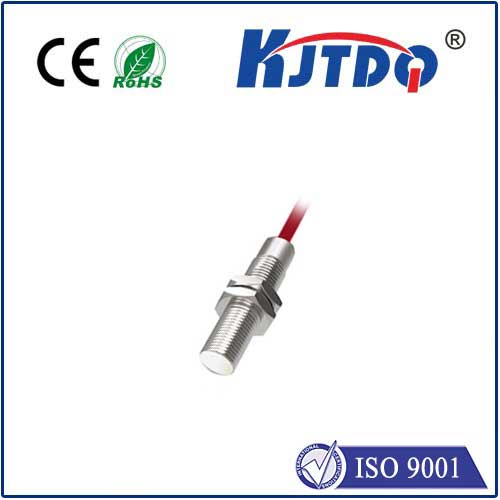
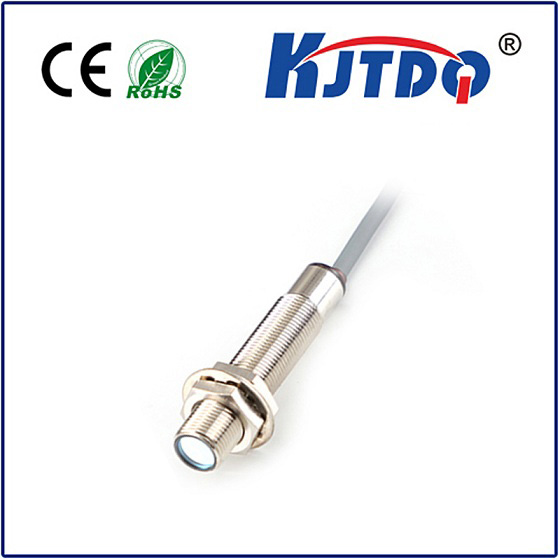
A proximity sensor is a device that can detect the presence or absence of an object within its sensing range without any physical contact. It does this by emitting an electromagnetic field or a beam of electromagnetic radiation and looking for changes in the field or return signal. The 3-wire variant is one of the most common designs, offering a balance of performance and simplicity. Unlike 2-wire sensors that are wired in series with the load, 3-wire sensors have separate wires for power supply, ground, and the output signal. This dedicated output line provides a clearer, more stable signal, which is crucial for interfacing with programmable logic controllers (PLCs), microcontrollers, and other control systems.
The core of a typical 3-wire inductive proximity sensor consists of an oscillator circuit, a detection circuit, and an output circuit. The oscillator generates a high-frequency electromagnetic field at the sensing face. When a metallic target enters this field, eddy currents are induced on the target's surface. These currents absorb energy from the oscillator, causing its amplitude to decrease. The sensor's detection circuit monitors this change. Once the amplitude drop reaches a predetermined threshold, the circuit triggers the solid-state output switch—either a PNP (sourcing) or NPN (sinking) transistor. This switch then changes the state of the output wire, signaling the presence of the target.
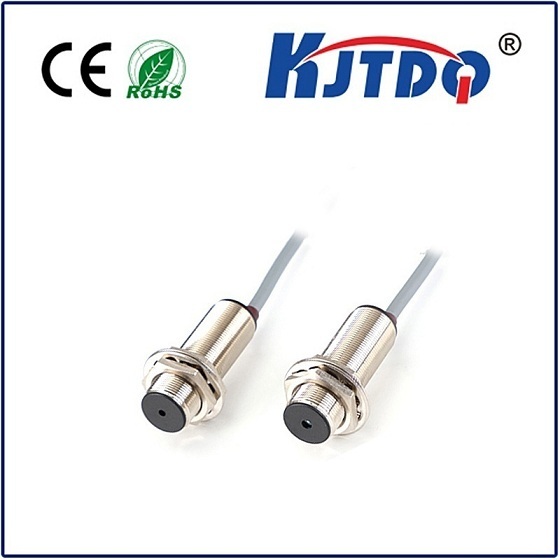
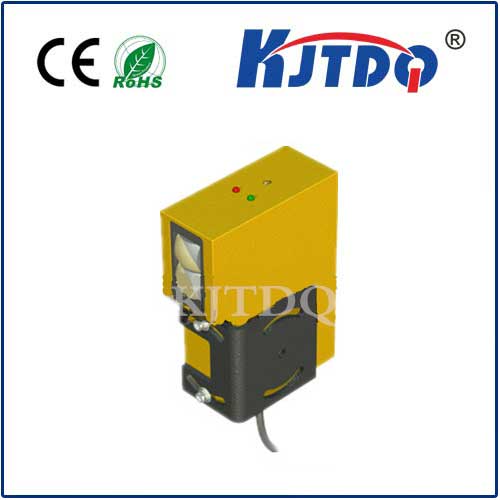
Wiring a 3-wire sensor is a systematic process. The three wires are typically color-coded: brown for the positive supply voltage (V+), blue for the common ground (0V), and black for the output signal. For a PNP sensor, when activated, the black wire will source current to the load, connecting it to the positive voltage. For an NPN sensor, the black wire will sink current from the load, connecting it to ground. It is paramount to match the sensor's type (PNP/NPN) and supply voltage with the requirements of the control system to prevent damage. Always refer to the manufacturer's datasheet, such as those from KJTDQ, for precise specifications.
The advantages of using a 3-wire proximity sensor are significant. They offer faster switching speeds and longer sensing distances compared to 2-wire models. The separate power and output lines minimize voltage drop issues and provide excellent electrical noise immunity, leading to more reliable operation in electrically noisy industrial environments. Furthermore, they allow for both normally open (NO) and normally closed (NC) output configurations, providing flexibility in control logic design.
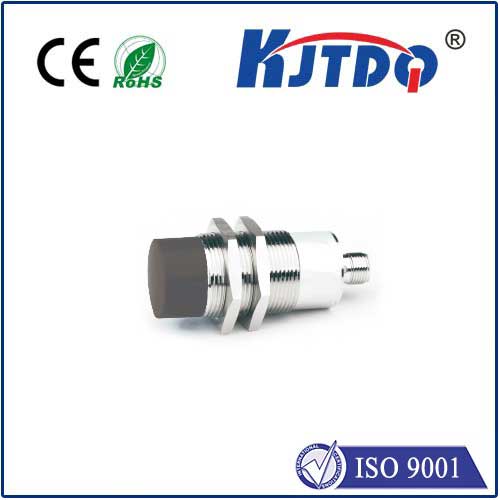
In practice, 3-wire inductive proximity sensors are ubiquitous. They are used for precise position detection of metal parts on assembly lines, counting products on conveyors, monitoring the end position of cylinders in pneumatic systems, and ensuring safety in automated machinery by confirming the closure of guards or doors. Their rugged housing, often made of nickel-plated brass or stainless steel, makes them resistant to oils, coolants, and physical impacts, ensuring longevity in harsh conditions.
When selecting a 3-wire proximity sensor for your application, consider key parameters like sensing distance, target material, output type (PNP/NPN), switching frequency, housing style (cylindrical, rectangular), and environmental ratings (IP67, IP69K). Regular maintenance involves keeping the sensing face clean from debris and metallic dust buildup, which can reduce the effective sensing range.
In conclusion, the 3-wire proximity sensor is a fundamental building block of modern automation. Its simple yet effective design provides a reliable solution for non-contact detection of metallic objects. Understanding its operation, correct wiring, and appropriate application is essential for engineers, technicians, and maintenance personnel. For high-quality, dependable sensors designed to meet rigorous industrial standards, exploring the offerings from specialized providers like KJTDQ can be a valuable step toward optimizing your system's performance and reliability.