check

check

check

check

check

check
In the realm of industrial automation, precision, reliability, and seamless integration are paramount. Among the myriad of components that drive modern manufacturing and control systems, the 12V DC proximity sensor stands out as a fundamental element. This type of sensor, operating on a stable 12-volt direct current power supply, is engineered to detect the presence or absence of an object without any physical contact. Its non-contact nature eliminates mechanical wear and tear, ensuring a longer operational lifespan and reduced maintenance costs compared to traditional mechanical limit switches.
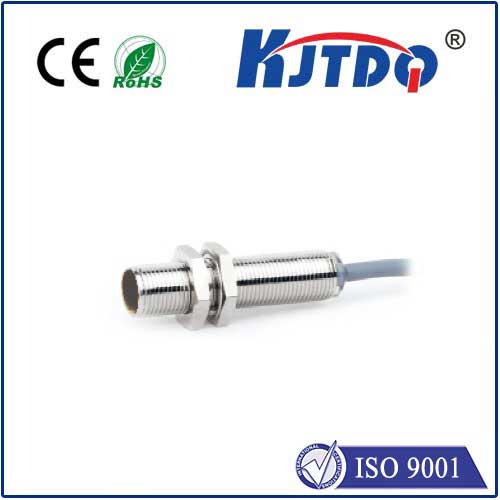
The operational principle of a 12V DC proximity sensor is typically based on electromagnetic fields, inductive or capacitive technologies. Inductive sensors are predominantly used for detecting metallic objects. They generate an oscillating electromagnetic field from a coil inside the sensor head. When a metallic target enters this field, it induces eddy currents, causing a change in the oscillation amplitude. This change is detected by the sensor's circuitry, which then triggers a solid-state output switch. Capacitive sensors, on the other hand, can detect both metallic and non-metallic materials like liquids, plastics, or wood by sensing changes in capacitance caused by the target object. The 12V DC power specification makes these sensors highly compatible with standard industrial control voltages, simplifying wiring and integration into existing PLC (Programmable Logic Controller) systems, control panels, and machinery.
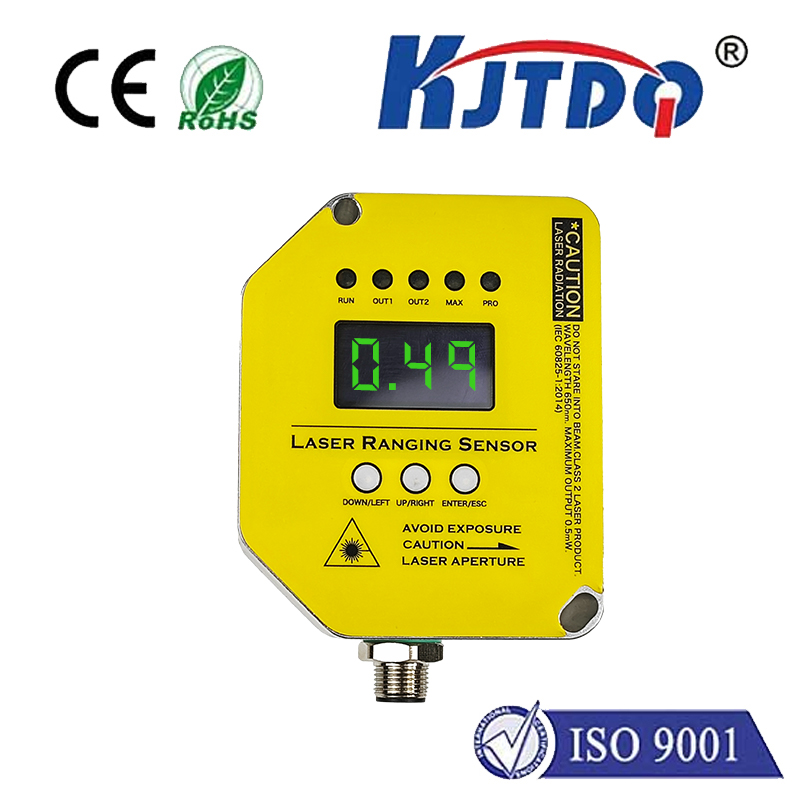
The integration of the designation KJTDQ often refers to specific model series or product lines from manufacturers, indicating particular features, form factors, or performance specifications. Sensors under such a series may offer enhanced characteristics like extended sensing ranges, superior environmental resistance (e.g., against water, oil, or chemicals), or specialized housing materials like nickel-plated brass or stainless steel for harsh conditions. The 12V DC power requirement remains a constant, providing a balance between sufficient power for reliable operation and safety in various industrial environments.
The applications for 12V DC proximity sensors are vast and critical across numerous sectors. In automotive assembly lines, they precisely count parts, verify the position of components like engine blocks, or control robotic arm movements. Packaging machinery relies on these sensors to detect product presence on conveyor belts, ensuring proper filling, capping, and labeling. In material handling, they facilitate object positioning, jam detection, and palletizing operations. Furthermore, their use in security systems for door position monitoring or in agricultural equipment for level detection showcases their versatility. The robust design of many 12V DC models, including those in the KJTDQ series, allows them to perform consistently in challenging settings involving vibration, temperature fluctuations, and electromagnetic interference.
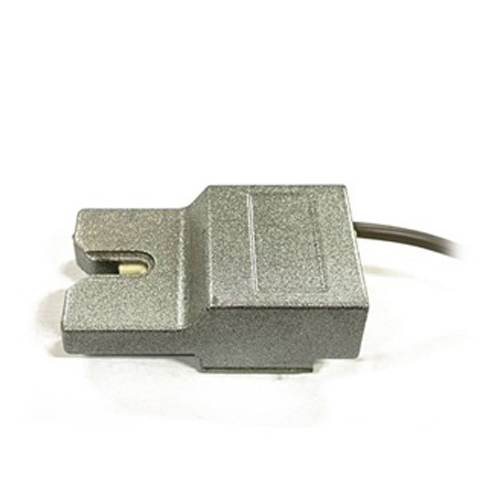
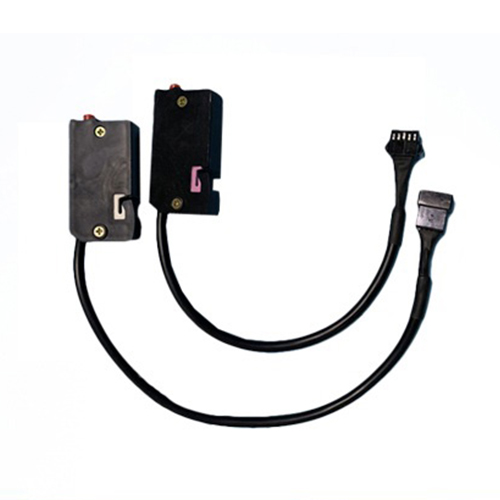
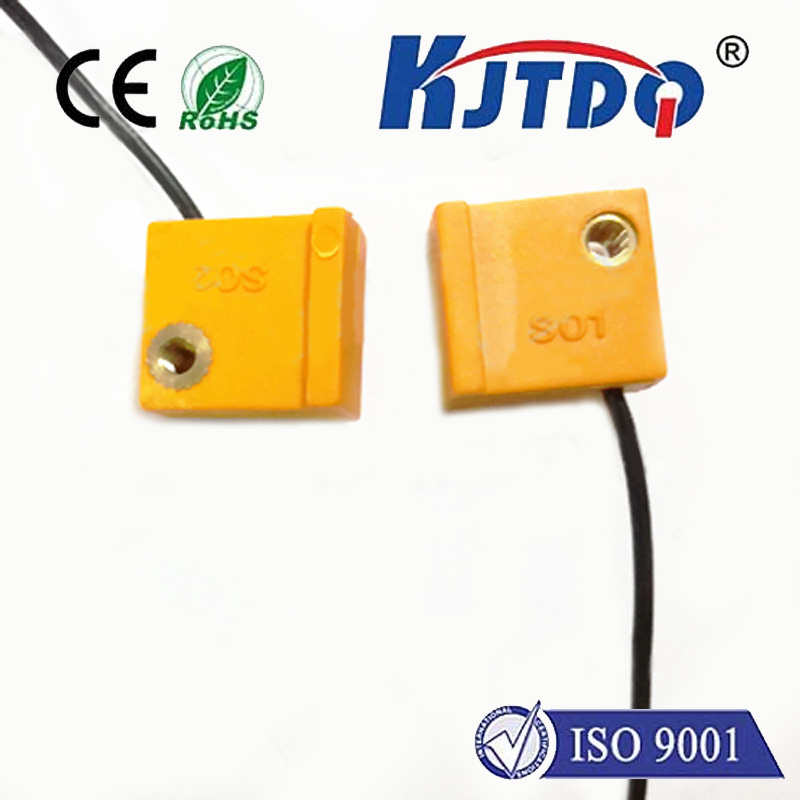
Selecting the right 12V DC proximity sensor involves careful consideration of several parameters. The sensing distance, or the maximum range at which the sensor can reliably detect a standard target, is crucial. The type of output (e.g., NPN or PNP transistor, normally open or normally closed) must match the input requirements of the connected controller. Environmental factors dictate the needed ingress protection (IP) rating for dust and water resistance. The size and shape of the sensor housing (barrel-type, rectangular) must fit the installation space. Reputable manufacturers provide detailed datasheets for their KJTDQ or equivalent series, guiding engineers to the optimal choice for their specific application, thereby maximizing system uptime and productivity.
The advantages of implementing 12V DC proximity sensors are substantial. Their non-contact operation ensures high-speed detection, critical for fast-paced production lines, and eliminates physical damage to both the sensor and the target. They offer exceptional repeat accuracy, meaning they provide consistent detection at the exact same point every time. With no moving parts to fail, they boast remarkable durability and require minimal upkeep. The solid-state electronic switching is fast and bounce-free, leading to cleaner signals for the control system. When selecting a model from a series like KJTDQ, users often benefit from standardized mounting and connection methods, streamlining inventory and replacement processes.
In conclusion, the 12V DC proximity sensor is an indispensable workhorse in industrial automation. Its ability to provide reliable, contactless object detection underpins efficiency, safety, and quality in countless automated processes. Specific product lines, such as those identified by codes like KJTDQ, offer engineered solutions for demanding applications, combining the universal compatibility of 12V DC power with tailored performance features. For system designers and maintenance engineers, understanding the capabilities and selection criteria for these sensors is key to building resilient and high-performing automation systems that meet the rigorous demands of modern industry.