check

check

check

check

check

check
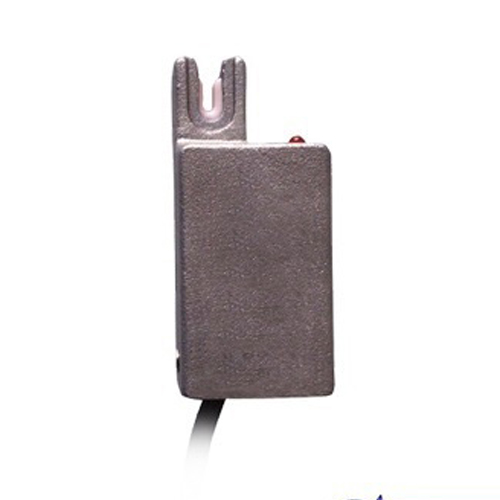
In the realm of industrial automation, precision, reliability, and safety are non-negotiable. The 120 volt proximity sensor stands as a critical component in achieving these objectives, seamlessly integrating into complex systems to detect the presence or absence of objects without physical contact. This technology, particularly the KJTDQ series, represents a significant leap forward in operational efficiency and equipment protection across various sectors, including manufacturing, packaging, and material handling.
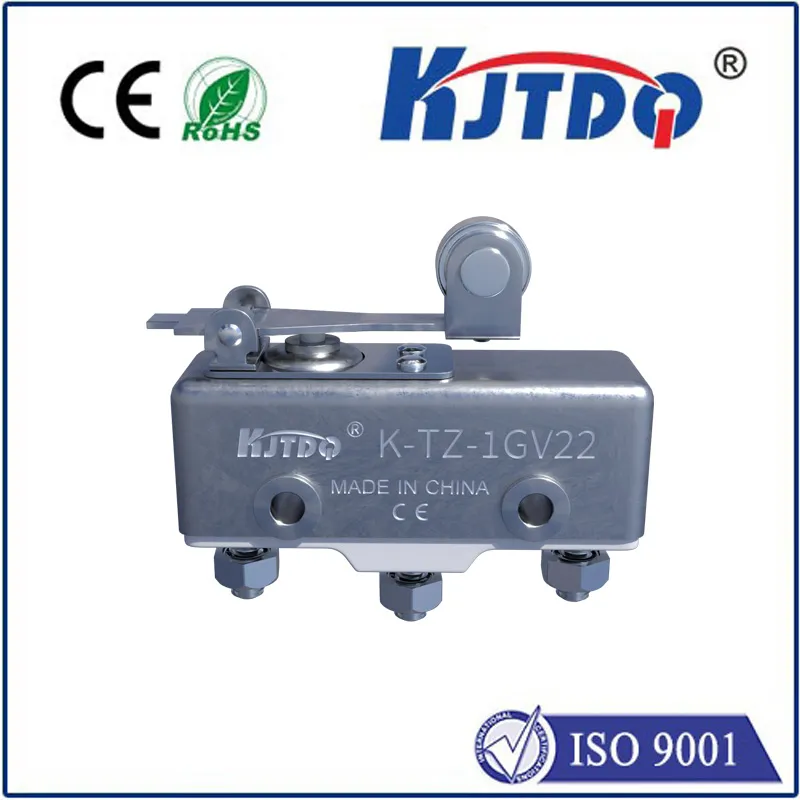
Unlike mechanical limit switches, a 120V AC proximity sensor operates on the principle of electromagnetic fields or capacitive coupling. When a target object enters the sensor's detection range, it causes a change in the oscillation amplitude or capacitance, triggering a solid-state output switch. This contactless detection method eliminates mechanical wear and tear, ensuring a remarkably long operational lifespan and reducing maintenance downtime. The 120-volt AC power specification makes it directly compatible with standard industrial power supplies commonly found in North American and other markets, simplifying installation and integration into existing control panels and machinery.
The advantages of implementing a robust 120 volt proximity sensor like the KJTDQ model are multifaceted. First and foremost is enhanced safety. By enabling non-contact detection of machine parts, products, or safety guards, these sensors help prevent collisions, jams, and potential operator injuries. They can be used to ensure a machine only operates when a guard is correctly in place or to count items on a conveyor belt without interfering with the flow. Secondly, they contribute substantially to efficiency. Their high switching speed and accuracy allow for faster machine cycles and precise positioning control, leading to increased throughput and consistent product quality. The immunity to environmental contaminants such as dust, oil, and moisture—a hallmark of well-sealed industrial sensors—ensures stable performance in harsh factory conditions.
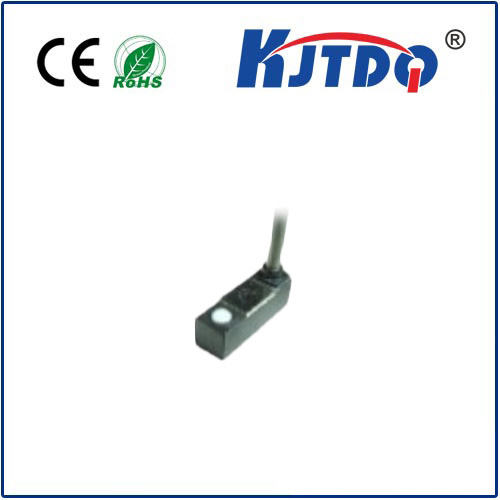
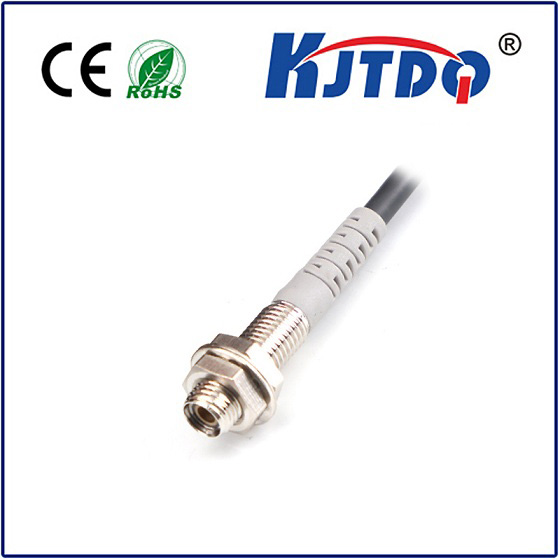
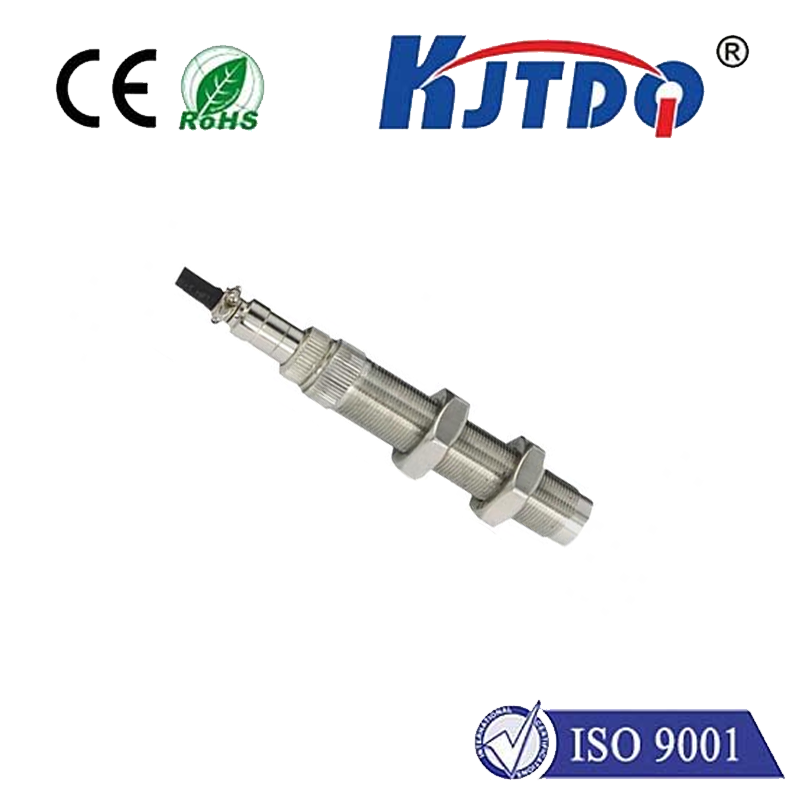
When selecting a 120V AC proximity sensor, several key specifications demand attention. The sensing range, which varies by sensor type (inductive for metals, capacitive for non-metals), must be appropriate for the application. The housing material, typically nickel-plated brass or stainless steel, should offer resistance to corrosion and physical impact. Output configuration, whether normally open (NO) or normally closed (NC), and the type of output device (e.g., NPN or PNP for DC models, but for 120V AC, typically a relay or solid-state AC output) must align with the control system's requirements. The KJTDQ series often incorporates features like LED status indicators for easy diagnostics and short-circuit protection, adding layers of reliability.
Installation and wiring are straightforward but require adherence to electrical standards. The sensor is typically mounted securely using brackets, ensuring the correct orientation and distance from the target. Wiring involves connecting the 120V AC line voltage to the designated terminals and linking the output signal to the programmable logic controller (PLC) or other control unit. Proper shielding of cables is recommended in electrically noisy environments to prevent false triggering. Regular maintenance, though minimal, involves periodic cleaning of the sensing face and checking for loose connections.
From automotive assembly lines detecting metal components to food processing plants monitoring plastic container levels, the applications are vast. Inductive 120 volt proximity sensors are indispensable for detecting metallic objects like gears, pistons, or machine tools. Capacitive versions excel in detecting liquids, plastics, wood, or even granular materials through non-metallic containers. This versatility makes the 120V proximity sensor a universal workhorse in automation.
In conclusion, the integration of a high-quality 120 volt proximity sensor, such as the KJTDQ series, is a strategic investment for any industrial operation aiming to optimize performance. It bridges the gap between mechanical processes and electronic control, delivering unmatched reliability, safety, and efficiency. By choosing the right sensor for the specific application and environment, engineers and plant managers can build smarter, safer, and more productive automated systems, future-proofing their operations in an increasingly competitive landscape.