check

check

check

check

check

check
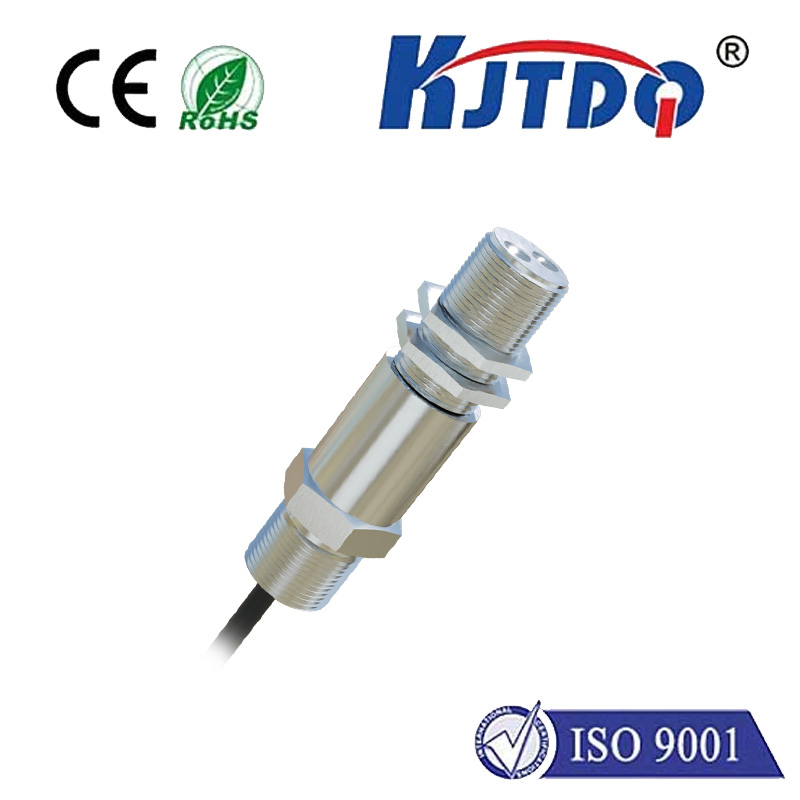
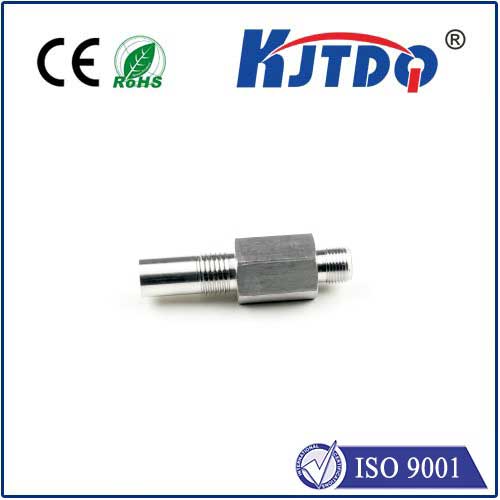
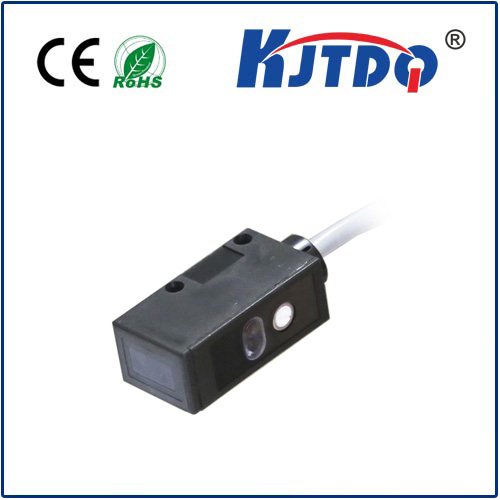
In today's fast-paced technological landscape, precision sensing has become a cornerstone of innovation across industries. Among the myriad of sensing solutions available, the sensor proximity LJ stands out as a reliable and efficient tool for detecting the presence or absence of objects without physical contact. This technology leverages advanced principles to deliver accurate measurements, making it indispensable in applications ranging from automotive systems to consumer electronics and industrial automation.
The sensor proximity LJ operates primarily on the principle of electromagnetic induction or capacitive sensing, depending on the specific model and design. In inductive versions, it generates an electromagnetic field that detects metallic objects, while capacitive variants can sense both metallic and non-metallic materials by measuring changes in capacitance. This versatility allows the LJ series to adapt to diverse environments, ensuring consistent performance even in challenging conditions such as high temperatures, dust, or moisture.
One of the key advantages of the sensor proximity LJ is its non-contact nature, which minimizes wear and tear, extends lifespan, and reduces maintenance costs. Unlike mechanical switches that rely on physical interaction, these sensors offer silent operation and high-speed response times, often in the millisecond range. This makes them ideal for use in assembly lines, where rapid detection is crucial for efficiency and safety. For instance, in automotive manufacturing, sensor proximity LJ units are employed to monitor the position of components, ensuring precise alignment during production processes.
In consumer electronics, the sensor proximity LJ plays a vital role in enhancing user experience. Smartphones and tablets utilize these sensors to detect when a device is held close to the ear during calls, automatically turning off the display to prevent accidental touches and conserve battery life. Similarly, in home appliances like automatic faucets or hand dryers, the LJ sensor enables touch-free operation, promoting hygiene and convenience. Its low power consumption further adds to its appeal, aligning with the growing demand for energy-efficient solutions in a sustainability-conscious world.
Industrial applications of the sensor proximity LJ are equally impressive. In robotics and automation, these sensors provide critical feedback for navigation and object handling, enabling machines to operate with high precision. They are also used in safety systems to detect the presence of personnel near hazardous machinery, triggering shutdowns to prevent accidents. The robustness of the LJ series ensures reliable performance in harsh industrial settings, where vibrations, electrical noise, or extreme temperatures might compromise lesser sensors.
When selecting a sensor proximity LJ, factors such as sensing range, output type, and environmental compatibility must be considered. The sensing range typically varies from a few millimeters to several centimeters, depending on the model, while output options include digital signals like NPN or PNP for easy integration with control systems. Additionally, many LJ sensors feature built-in protection against short-circuits and reverse polarity, enhancing durability and ease of installation.
Looking ahead, advancements in sensor proximity LJ technology are poised to drive further innovation. With the integration of IoT capabilities, these sensors can now transmit data wirelessly, enabling real-time monitoring and predictive maintenance in smart factories. Miniaturization trends are also making them more compact, allowing for deployment in space-constrained applications without sacrificing accuracy. As industries continue to embrace automation and digital transformation, the demand for high-performance sensors like the LJ series is expected to grow, solidifying their role as a backbone of modern engineering.
In conclusion, the sensor proximity LJ represents a blend of reliability, versatility, and efficiency that meets the evolving needs of various sectors. By understanding its principles and applications, businesses and engineers can leverage this technology to optimize processes, improve safety, and foster innovation. Whether in manufacturing, electronics, or beyond, the sensor proximity LJ proves to be a valuable asset in the quest for smarter, more responsive systems.