check

check

check

check

check

check
In the intricate world of industrial automation and machinery, the reliability of a single component can dictate the efficiency of an entire system. Among these critical components, proximity sensors stand as silent sentinels, enabling non-contact detection with remarkable accuracy. The Proximity Sensor LM5-3001NA emerges as a standout solution in this domain, engineered to meet the rigorous demands of modern applications. This guide delves into the core features, operational principles, and diverse use cases of this sensor, providing a comprehensive overview for engineers and procurement specialists.
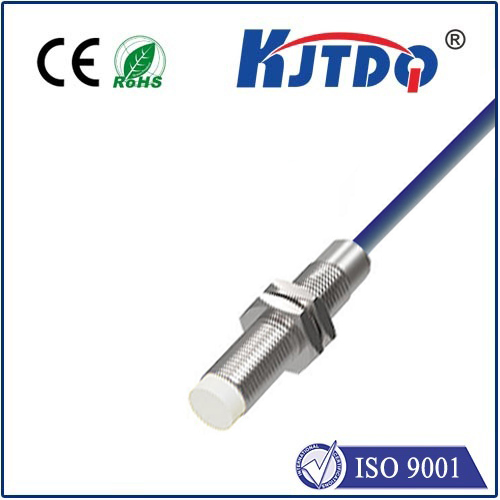
At its heart, the LM5-3001NA is an inductive proximity sensor. This technology relies on generating an electromagnetic field from its sensing face. When a metallic target object enters this field, it induces eddy currents within the target. The sensor detects the resulting change in oscillation amplitude or frequency within its internal circuit, triggering a solid-state switching output. This fundamental principle allows for the detection of ferrous and non-ferrous metals without any physical contact, eliminating mechanical wear and ensuring a long operational life.
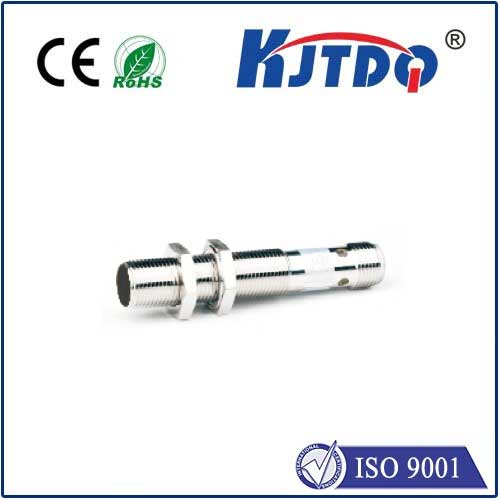
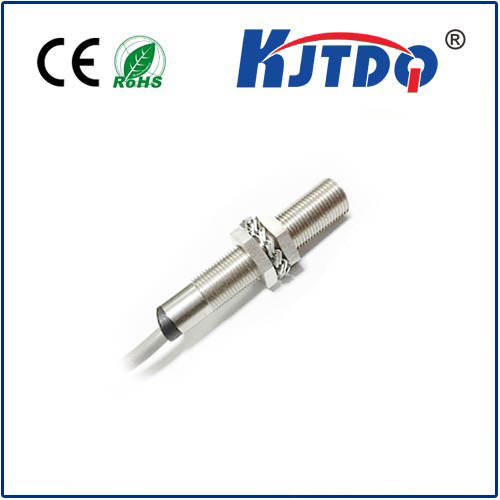
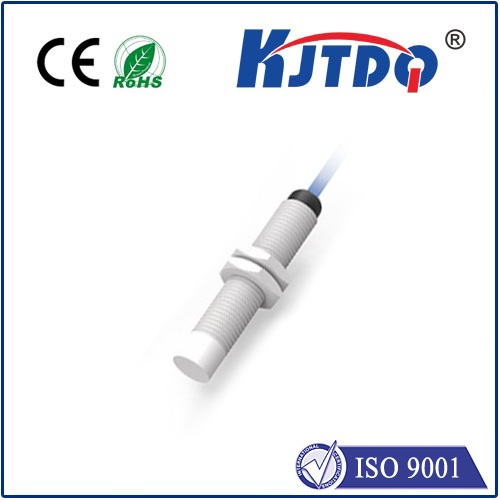
The designation "LM5-3001NA" itself reveals key specifications. The sensor typically features a compact, cylindrical housing with an M5 thread, making it ideal for installations where space is at a premium. Its sensing range is optimized for short-distance, high-precision detection, often in the millimeter range. The "NA" suffix frequently indicates a normally open (NO) output configuration, though specifications should always be verified with the manufacturer's datasheet. Key performance parameters include a robust switching frequency, allowing it to detect rapidly moving objects, and a high degree of repeatability, ensuring consistent performance cycle after cycle. Furthermore, these sensors are often built with materials resistant to common industrial contaminants like coolants, oils, and metal shavings, boasting high Ingress Protection (IP) ratings for durability in harsh environments.
The applications for the Proximity Sensor LM5-3001NA are vast and varied across multiple industries. In automated assembly lines, it is indispensable for part presence verification, ensuring a component is correctly positioned before a robotic arm performs its task. It serves as a precise limit switch in CNC machining centers, confirming the position of tooling or workpieces. Within packaging machinery, these sensors count products on conveyor belts or verify the closure of lids. The automotive manufacturing sector relies heavily on such sensors for robotic welding position feedback and part sequencing. Their reliability is also crucial in material handling systems for detecting pallet positions and in elevator systems for floor-level positioning.
Selecting and installing the LM5-3001NA requires attention to detail. First, confirm the target material is metallic and falls within the specified sensing distance. The sensor must be mounted securely, with careful consideration given to the mounting flush or non-flush requirements, as this can affect the effective sensing range. It is critical to maintain proper clearance from surrounding metal objects to prevent false triggering—a concept known as the "mounting distance." Electrical integration involves connecting the sensor to a compatible power supply (commonly 10-30V DC) and linking its output to a PLC (Programmable Logic Controller), relay, or other control device. Adherence to wiring codes, including the use of shielded cables in electrically noisy environments, is essential for stable operation.
To maximize the performance and longevity of the LM5-3001NA, regular maintenance is recommended. This includes periodic cleaning of the sensing face to remove any buildup of dirt, grease, or metal particles that could attenuate the electromagnetic field. A simple functional test with a known metal target can verify operational status. While these sensors are designed for durability, understanding common failure modes, such as physical damage to the housing or electrical overload, aids in quick troubleshooting. Always refer to the official technical documentation for specific maintenance schedules and safety warnings.
The Proximity Sensor LM5-3001NA represents a fusion of precision engineering and practical design. Its ability to provide reliable, non-contact detection in confined spaces makes it a fundamental building block for enhancing automation safety, efficiency, and intelligence. For system designers and maintenance engineers, a deep understanding of its capabilities and correct application practices is key to unlocking its full potential and ensuring seamless integration into complex control systems. By specifying and implementing sensors like the LM5-3001NA, industries can achieve higher levels of productivity and operational reliability.