check

check

check

check

check

check
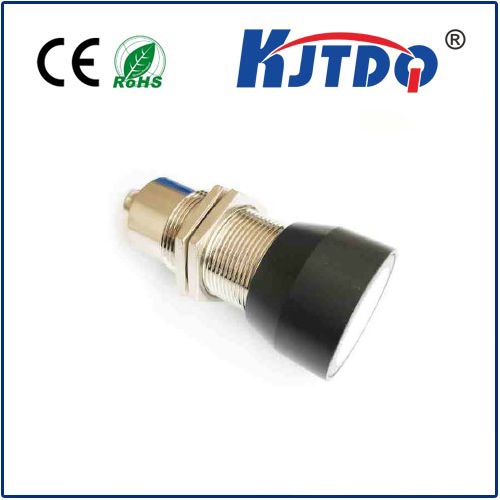
In the intricate world of industrial automation and machine safety, the selection of the right sensor is paramount. Among the various types, the proximity sensor, particularly those with a PNP output configuration, stands as a critical component. This guide delves into the operational principles, key advantages, and practical application scenarios of the PNP proximity sensor, providing essential knowledge for engineers and technicians.
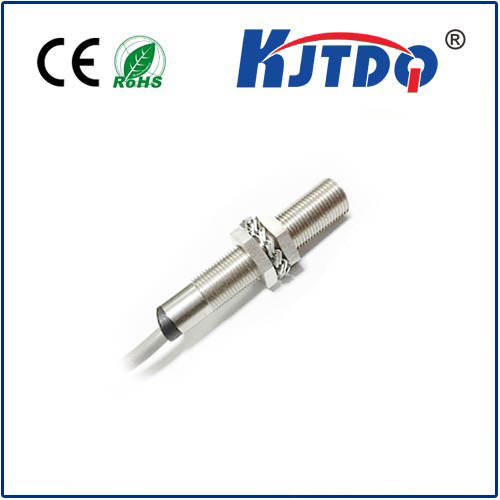
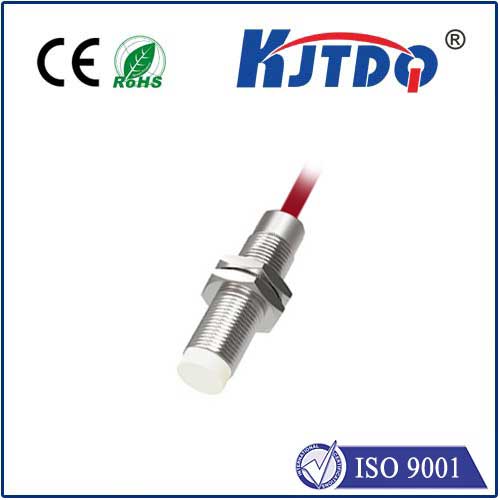
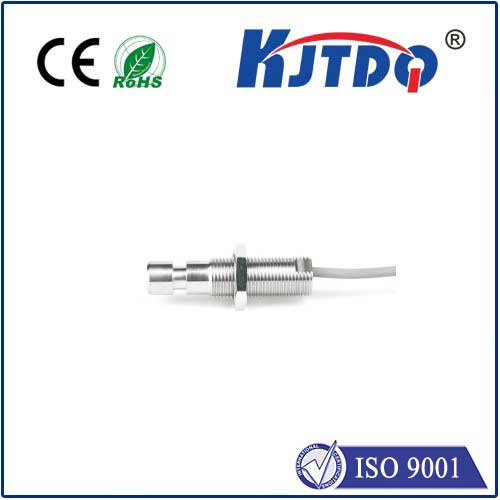
At its core, a proximity sensor is a non-contact device designed to detect the presence or absence of an object within its sensing range without physical contact. It achieves this through electromagnetic fields, light, or sound. The term "PNP" refers to the transistor switching technology used in the sensor's output circuit. In a PNP (Positive-Negative-Positive) configuration, the output wire switches the positive voltage (typically +24V DC) to the load. When the sensor detects a target, it connects the load to the positive supply, allowing current to flow from the sensor to the load and then to ground (0V). This is often described as "sourcing" output.
This contrasts with the NPN (Negative-Positive-Negative) configuration, where the output switches the ground connection. Understanding this distinction is crucial for proper integration with Programmable Logic Controllers (PLCs) and other control systems. Many European and Asian-designed systems are traditionally wired for PNP input cards, making PNP sensors the preferred choice in these regions. The key operational benefit is that in a standard setup, the PNP sensor's signal wire becomes "hot" (active high) when an object is detected, which can be more intuitive for troubleshooting in certain circuit designs.
The advantages of using PNP proximity sensors are significant. They offer high reliability and long operational life due to the absence of mechanical contact and moving parts, leading to reduced wear and tear. Their fast switching speeds enable high-speed counting and positioning tasks on production lines. Furthermore, they are highly resistant to environmental factors such as dust, oil, and moisture, especially inductive-type sensors with robust housings. The solid-state PNP output provides a clean, bounce-free signal essential for modern digital controllers. For personnel involved in maintenance, the "active high" signal of a PNP sensor can sometimes simplify diagnostics, as a measuring tool will show voltage presence when the sensor is triggered.
In practical industrial applications, PNP proximity sensors are ubiquitous. They are employed for precise object detection on conveyor belts, ensuring smooth material handling. In automated assembly lines, they verify the presence of components before a robotic arm performs an operation, preventing errors. They serve as end-of-travel limit switches in machinery, providing critical safety interlocks. Within packaging equipment, they count products and control filling levels. In the automotive sector, they monitor the position of parts during welding and painting processes. Their versatility extends to detecting metallic objects (using inductive types) or any material (using capacitive types) in challenging environments.
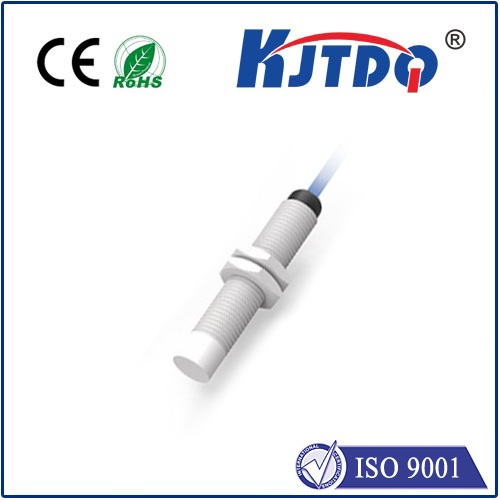
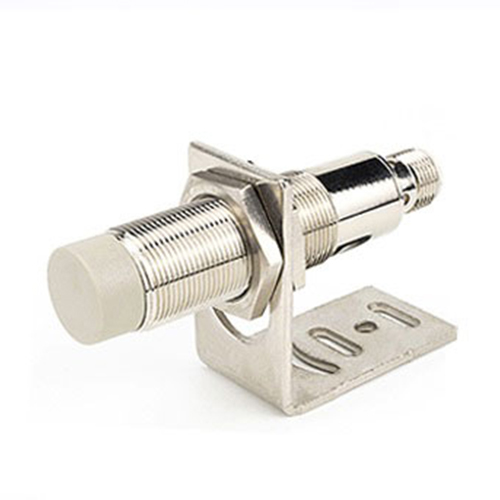
When selecting and installing a PNP proximity sensor, several factors must be considered. The sensing range, which should be 20-30% greater than the maximum required operating distance to account for variations, is critical. The target material also dictates the sensor type: inductive sensors for metals and capacitive sensors for non-metals. The housing material, such as nickel-plated brass or stainless steel, must withstand the specific environmental conditions, including temperature extremes and potential chemical exposure. Electrical characteristics like supply voltage (commonly 10-30V DC), output current capacity, and short-circuit protection are vital for system compatibility. Proper installation is equally important; maintaining a clearance from surrounding metal (as specified by the manufacturer) prevents false triggering, and ensuring correct polarity during wiring is essential to avoid damage.
Common challenges include electrical interference in environments with powerful motors or welders, which can be mitigated by using shielded cables and proper grounding. Another issue is sensing range reduction when detecting non-ferrous metals like aluminum or copper with standard inductive sensors; specialized versions are available for such applications. Regular maintenance, though minimal, involves periodic cleaning of the sensing face to remove debris and verification of the mounting stability.
In conclusion, the PNP proximity sensor is a fundamental, reliable building block in modern industrial control systems. Its sourcing output configuration aligns seamlessly with many global control standards, offering robust performance in diverse and demanding applications. A thorough understanding of its working principle, alongside careful selection based on the specific application requirements, ensures optimal system performance, enhanced safety, and increased operational efficiency. As automation continues to evolve, the role of these precise and durable sensors remains indispensable.