check

check

check

check

check

check
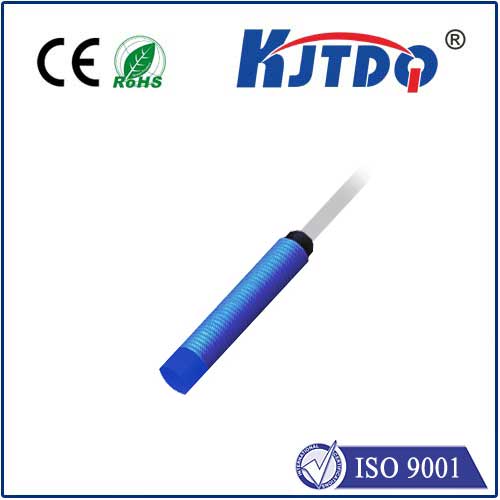
In the rapidly evolving landscape of industrial technology, the long distance proximity sensor stands as a pivotal innovation, fundamentally transforming how machines interact with their environment. Unlike traditional sensors with limited range, these advanced devices can detect objects from several meters away, providing critical data for automation systems without physical contact. This capability is not merely an incremental improvement; it represents a paradigm shift in operational efficiency, safety protocols, and system intelligence across numerous sectors.
The core technology behind long distance proximity sensors often involves sophisticated principles such as time-of-flight measurement, laser triangulation, or advanced ultrasonic echo analysis. These methods allow for precise distance calculation to a target, whether it's a vehicle on an assembly line, a pallet in a warehouse, or personnel in a restricted zone. For instance, in automated guided vehicle (AGV) systems, these sensors enable flawless navigation and obstacle avoidance at high speeds, preventing collisions and ensuring smooth material flow in logistics centers. The non-contact nature of detection eliminates wear and tear, significantly reducing maintenance costs and downtime compared to mechanical limit switches.
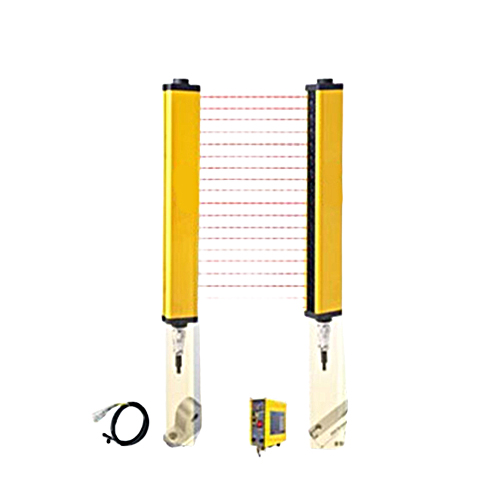
In the realm of industrial safety, the impact is profound. Long distance proximity sensors create an invisible safety curtain around hazardous machinery, such as robotic arms in manufacturing or large presses. They can monitor perimeter access and instantly halt equipment if an unauthorized entry is detected, far before a person reaches the danger point. This proactive approach to safety is a cornerstone of modern compliance with stringent international standards like ISO 13855. Furthermore, in mining and construction, these sensors monitor the proximity of large equipment to workers or unstable structures, providing early warnings that prevent catastrophic accidents.
The integration of these sensors with the Industrial Internet of Things (IIoT) unlocks even greater potential. Sensor data on object presence, distance, and even speed can be fed into central control systems for real-time analytics. This facilitates predictive maintenance, as changes in sensor response time can indicate alignment issues or environmental interference like dust buildup. In smart inventory management, sensors mounted on warehouse ceilings can track the location and movement of assets over vast areas, optimizing space utilization and retrieval processes. The accuracy and reliability of modern long distance sensors ensure that these automated decisions are based on trustworthy information.
Choosing the right long distance proximity sensor requires careful consideration of several factors. The sensing range, obviously, is paramount, but so is the environmental rating. Many industrial settings demand sensors with robust IP67 or IP69K enclosures to withstand dust, moisture, and high-pressure washdowns. The type of output (e.g., analog 4-20mA, digital IO-Link, or Ethernet-based) must be compatible with the existing control architecture. Additionally, the material and color of the target object can influence the performance of optical-based sensors, making laser sensors often a preferred choice for their high precision and immunity to color variations.
As industries stride toward greater autonomy and connectivity, the long distance proximity sensor is proving to be an indispensable component. It bridges the gap between the physical movement of objects and the digital world of control data, enabling smarter, safer, and more efficient operations. From automotive manufacturing lines to automated port cranes, the silent vigilance of these sensors ensures that complex processes run seamlessly, safeguarding both valuable assets and human workers. Their continued evolution, with trends pointing toward miniaturization, enhanced connectivity, and even greater ranges, promises to further redefine the boundaries of what is possible in industrial automation.