check

check

check

check

check

check
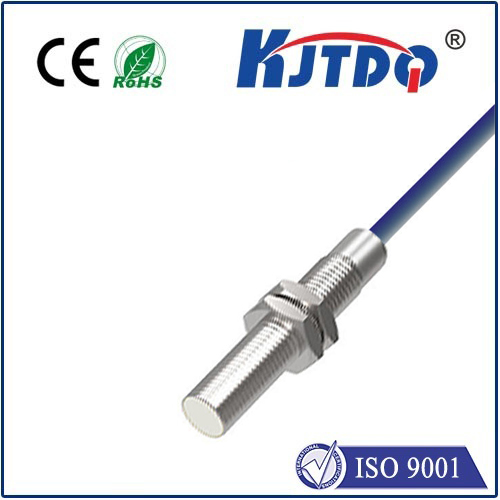
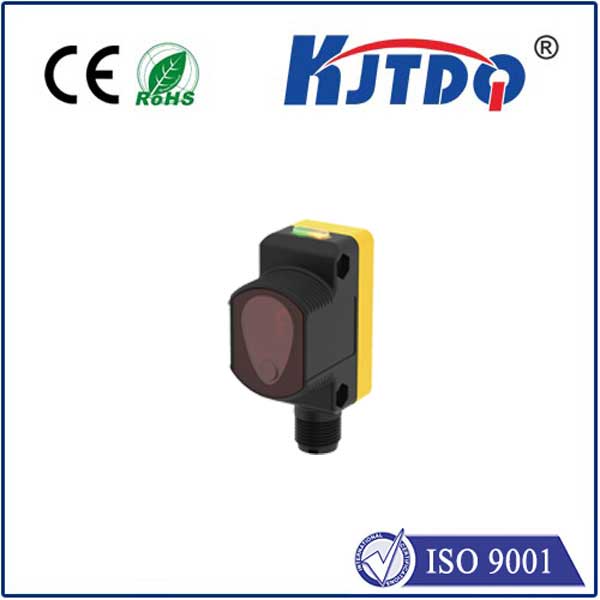
In today's demanding industrial environments, the need for reliable and durable sensing solutions is paramount. Operations in sectors such as metal processing, glass manufacturing, foundries, and automotive production often involve extreme temperatures that can compromise standard electronic components. This is where the specialized technology of heat resistant proximity sensors becomes a critical asset. These sensors are engineered to withstand intense ambient heat, ensuring continuous, accurate operation where others would fail.
A heat resistant proximity sensor is designed to detect the presence or absence of an object without physical contact, using electromagnetic fields, light, or sound. The key differentiator lies in its construction. Standard sensors have operational temperature limits, typically up to 70-85°C. Beyond this point, their internal electronics, housing materials, and sensing elements can degrade, leading to signal drift, permanent damage, or complete failure. In contrast, heat resistant models are built with high-temperature components. They feature housings made from advanced thermoplastics or stainless steel alloys that resist thermal deformation. Their internal circuitry is protected with high-temperature solders and specialized coatings, and they often incorporate thermal barriers or cooling fins to dissipate heat away from the sensitive core.
The integration of KJTDQ heat resistant proximity sensors into a production line brings transformative benefits. The foremost is enhanced operational safety. In high-heat zones, reliable object detection is crucial for automated machinery. A sensor failure could lead to misaligned parts, collisions, or even unsafe conditions for personnel. By maintaining accuracy at elevated temperatures, these sensors help prevent costly accidents and unplanned downtime. Furthermore, they contribute significantly to process efficiency. Consistent and reliable detection ensures smooth material handling, precise positioning in welding or casting applications, and accurate counting of hot products on conveyor lines. This reliability translates to higher throughput, reduced waste from errors, and optimized production cycles.
Durability is another cornerstone. The robust design of heat resistant sensors means they have a longer service life even in punishing conditions. They are less susceptible to damage from thermal cycling—the repeated expansion and contraction caused by temperature fluctuations. This resilience reduces the frequency of sensor replacement, lowering maintenance costs and inventory needs for spare parts. For facility managers, this means a lower total cost of ownership and less disruption to critical processes.
Selecting the right heat resistant proximity sensor requires careful consideration of several parameters. The maximum ambient temperature rating is the most obvious; ensure it exceeds the peak temperatures encountered in your application. The sensing distance, or range, must be appropriate for the task, keeping in mind that extreme heat can sometimes affect this performance. The housing material must be compatible with the environment, offering not just heat resistance but also protection against chemicals, moisture, or physical impact. Output type (e.g., PNP, NPN, analog) and connection style (pre-wired or connector-based) should align with the existing control system. Proper installation is also vital; even a high-temperature sensor can fail if mounted too close to an extreme radiant heat source without additional shielding or cooling.
Real-world applications are vast. In a die-casting facility, KJTDQ sensors reliably detect the position of molten metal molds. Within glass tempering furnaces, they monitor the movement of glass sheets at temperatures exceeding 600°C. In automotive paint shops, they endure the heat of curing ovens to track vehicle bodies. The steel industry uses them to monitor hot slab transfer on rolling mills. In each case, the sensor's ability to perform consistently under thermal stress is integral to automated control and quality assurance.
Looking ahead, the evolution of heat resistant sensing technology continues. Innovations aim to push operational temperature limits even higher while improving resistance to contaminants like scale and slag. The integration of smart features, such as IO-Link communication, allows for predictive maintenance by monitoring the sensor's health and temperature exposure in real-time, alerting operators to potential issues before they cause a stoppage.
In conclusion, for any industrial operation where heat is a constant challenge, investing in high-quality heat resistant proximity sensors is not merely an upgrade—it is a strategic necessity for safeguarding assets, ensuring personnel safety, and maintaining competitive productivity. The KJTDQ series represents a commitment to this principle, offering engineered solutions that deliver unwavering performance at the edge of thermal extremes, empowering industries to operate smarter, safer, and more efficiently.