check

check

check

check

check

check
In today's rapidly evolving security landscape, the integration of advanced technologies is paramount for robust protection. Among these, proximity sensor security stands out as a foundational element, offering a seamless and intelligent layer of defense. This technology, which detects the presence or absence of objects within a specific range without physical contact, is revolutionizing how we approach safety in both residential and commercial environments.
The core principle behind proximity sensors is elegantly simple. They emit an electromagnetic field or a beam of radiation, such as infrared light, and then look for changes in the field or return signal. When an object enters this predefined zone, the sensor triggers a response. This non-contact detection is its greatest strength, allowing for discreet monitoring and reducing wear and tear associated with mechanical systems. For security applications, this translates to immediate alerts when unauthorized individuals approach a protected perimeter, door, window, or valuable asset.
The applications for proximity-based security are vast and varied. In access control systems, these sensors are indispensable. Instead of fumbling for keys or access cards, authorized personnel can gain entry through seamless authentication. A sensor can detect an authorized key fob or smartphone in a pocket, automatically unlocking a door as the user approaches and re-locking it once they pass through. This not only enhances convenience but significantly improves security by eliminating the risk of cloned cards or lost keys. Furthermore, integrating these sensors with time-based rules can restrict access to sensitive areas during off-hours, adding a critical layer of temporal control.
Beyond doorways, proximity sensors form the backbone of sophisticated perimeter security. Installed along fences, near windows, or in open spaces, they create an invisible shield. Unlike traditional motion detectors that might be triggered by pets or shifting sunlight, modern proximity sensors can be finely tuned to ignore small objects and focus on human-sized intrusions. This reduces false alarms, a common nuisance that can lead to alert fatigue and compromised response times. When a genuine breach is detected, the system can instantly activate alarms, lock down internal doors, trigger lights, and notify security personnel or law enforcement, creating a coordinated defensive response.
Another growing application is in asset protection. High-value equipment, retail merchandise, or confidential documents can be safeguarded with discreet sensor tags. If an item is moved beyond a safe zone—for instance, a server rack in a data center or a painting in a gallery—the system immediately logs the event and issues an alert. This proactive approach prevents theft rather than merely documenting it after the fact.
The true power of proximity sensor security is unlocked through integration. When connected to a centralized security management platform or a smart home hub, these sensors become part of an intelligent ecosystem. Data from proximity sensors can be correlated with video feeds from CCTV cameras, providing visual verification of an event. It can also work in concert with other sensors like glass-break detectors or smoke alarms, creating a comprehensive situational awareness picture for security operators. In smart homes, a sensor detecting an approach to the front door after dark can automatically turn on porch lights and send a snapshot from the doorbell camera to the homeowner's phone.
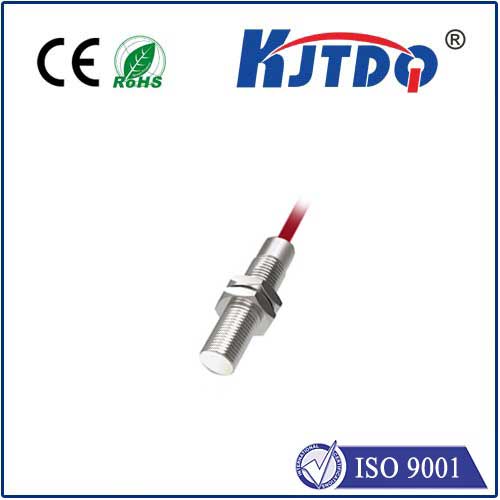
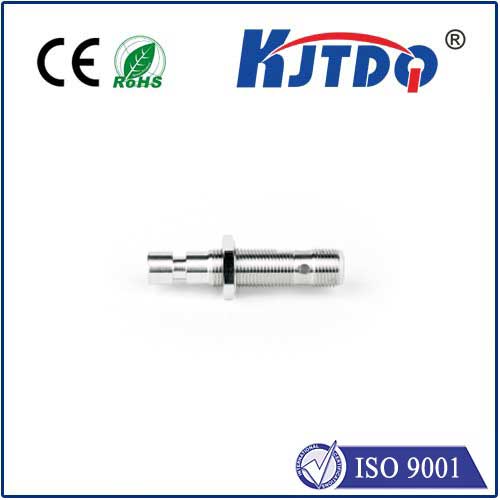
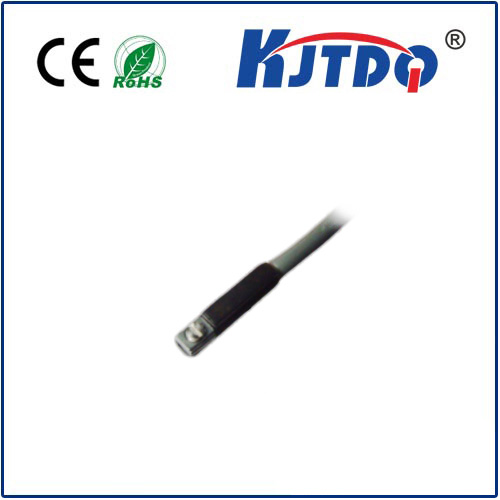
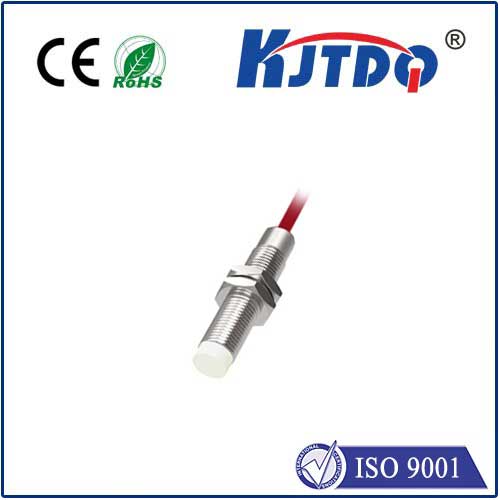
When implementing a proximity security system, several factors demand consideration. The choice of sensor technology—whether inductive, capacitive, ultrasonic, or infrared—depends on the specific environment and target object. Range, sensitivity, and environmental resilience (to factors like weather, temperature, or electromagnetic interference) are critical specifications. Proper placement is equally vital to avoid blind spots and ensure reliable coverage. Regular testing and maintenance are non-negotiable to guarantee the system remains operational and effective over time.
As technology advances, we are seeing the emergence of even more sophisticated systems. Multi-technology sensors that combine proximity detection with other modalities, like thermal imaging, are becoming more accessible. Furthermore, the advent of the Internet of Things (IoT) and edge computing allows these sensors to process data locally, enabling faster response times and reducing bandwidth demands on the central network.
In conclusion, proximity sensor security represents a critical evolution from reactive to proactive protection. Its ability to provide silent, continuous, and reliable monitoring makes it an essential component of any modern security strategy. By creating an intelligent, responsive barrier, this technology not only deters potential threats but also provides invaluable peace of mind, knowing that assets and people are protected by a vigilant, unseen guard. The future of security is intelligent, interconnected, and unobtrusive, with proximity sensing technology at its core.