check

check

check

check

check

check
In the demanding world of industrial automation, precision, reliability, and durability are non-negotiable. Machinery must operate seamlessly, and safety systems must function without fail. This is where the 24V infrared proximity sensor, particularly the KJTDQ series, establishes itself as a cornerstone technology. Unlike simple mechanical switches or less robust sensing methods, these sensors offer a non-contact, wear-free solution for object detection, positioning, and counting across countless applications.
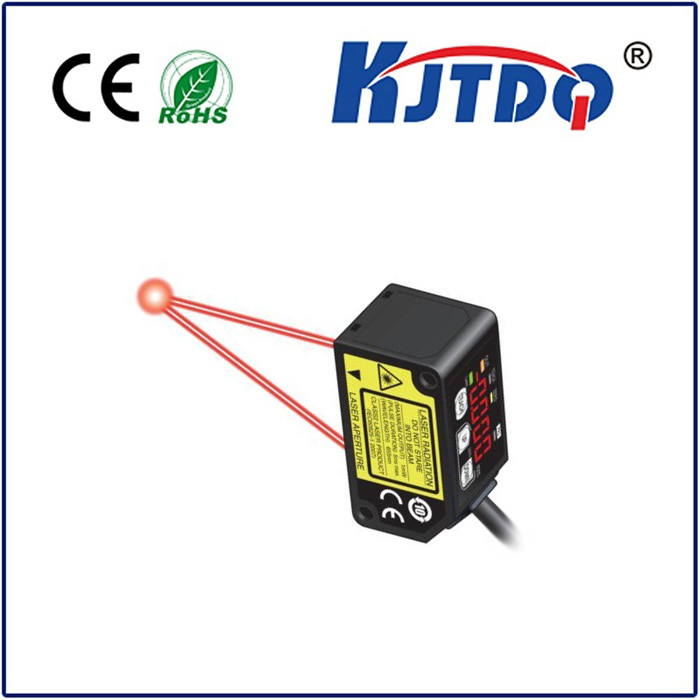
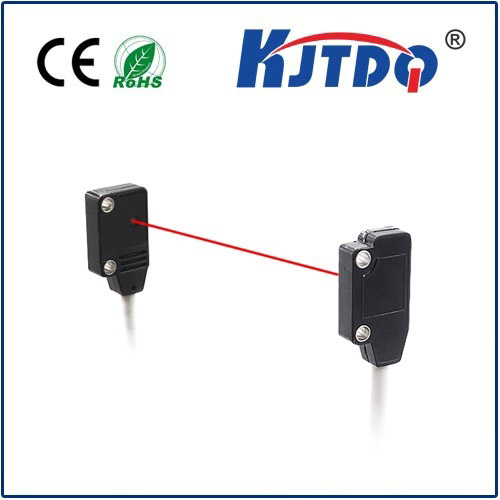
The core principle behind an infrared proximity sensor is elegantly straightforward. It emits an invisible beam of infrared light. When an object enters its predefined detection range, it reflects this light back to the sensor's receiver. The onboard electronics then process this signal and trigger a solid-state output. The "24V" specification is crucial, as it denotes the standard operating voltage for most industrial control systems (PLCs, relays, etc.). This direct compatibility eliminates the need for additional signal converters or complex wiring, simplifying integration and reducing potential points of failure.
Why choose a 24V infrared sensor over other types? The advantages are compelling. First, the non-contact nature means there is no physical wear on the sensor itself from repeated actuation, leading to a dramatically longer operational lifespan compared to mechanical limit switches. They are immune to contamination from oils, dust, and coolants when properly housed, making them ideal for harsh factory environments—from packaging lines to machine tools. Their response time is exceptionally fast, enabling high-speed counting and precision positioning on fast-moving production lines. Furthermore, they are not affected by the color or surface material of most objects, providing consistent detection of metallic and non-metallic targets alike.
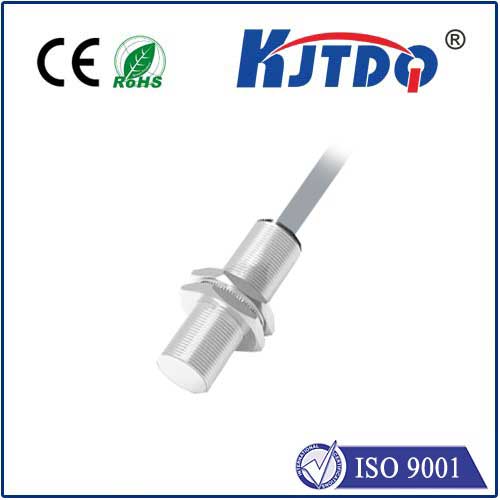
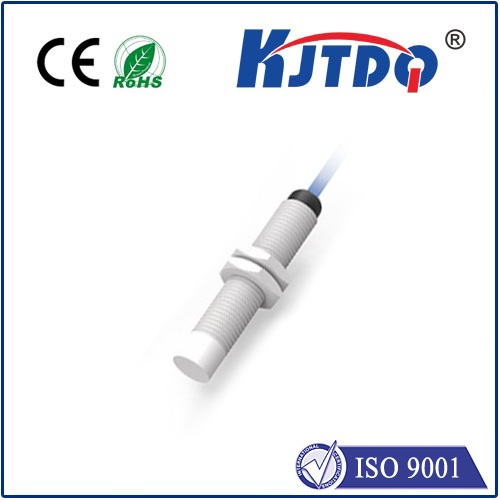
The KJTDQ series embodies these advantages with enhanced features tailored for industrial rigor. These sensors are typically built with robust housings, often from nickel-plated brass or stainless steel, offering high resistance to physical impact and corrosion. Many models come with IP67 or higher ingress protection ratings, meaning they are completely dust-tight and can withstand temporary immersion in water, allowing for washdown in food and beverage or pharmaceutical settings. A key feature is the adjustable sensing range, which provides flexibility during installation and setup. The stable 24V DC supply ensures consistent performance without being susceptible to voltage fluctuations that can plague lower-voltage sensors.
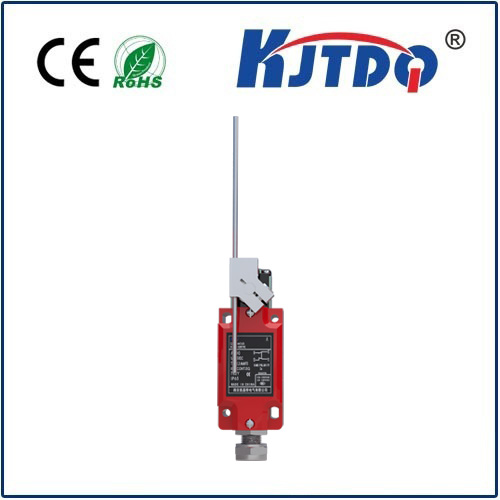
Practical applications for the 24V infrared proximity sensor are virtually limitless. On an assembly line, they verify the presence of components before a robotic arm performs a task. In material handling, they count boxes on a conveyor or detect the position of a pallet. Within automated machinery, they serve as end-position detectors for moving parts, preventing over-travel and damage. They are also indispensable in safety interlocks, ensuring a guard door is closed before a machine can start. The KJTDQ models, with their reliable output, are often the preferred choice for these critical functions where downtime is costly.
Selecting the right sensor requires considering a few key parameters. The sensing distance, which can range from a few millimeters to several meters, must match the application. The output type is also vital: PNP (sourcing) or NPN (sinking) must correspond with the input card of your controller. The form factor, whether tubular, rectangular, or slot-style, depends on the mounting constraints. The KJTDQ range typically offers clear options and labeling to guide this selection. For optimal performance, correct installation is paramount. Aligning the sensor properly with the target, ensuring a stable 24V power supply, and protecting the lens from excessive buildup of debris are all simple yet essential steps for long-term, trouble-free operation.
In conclusion, the 24V infrared proximity sensor is more than just a component; it is a fundamental enabler of modern industrial automation. It provides the essential "eyes" for machines, delivering the reliable data needed for control and safety. The KJTDQ series represents a commitment to this reliability, offering a blend of rugged construction, environmental sealing, and electrical compatibility that meets the toughest shop-floor challenges. For engineers and system integrators seeking to enhance efficiency, reduce maintenance, and build more resilient systems, integrating high-quality 24V infrared proximity sensors like those from the KJTDQ line is a clear and intelligent decision.