check

check

check

check

check

check
In the realm of industrial automation and heavy machinery, the accurate monitoring of component position is paramount for operational efficiency, safety, and system longevity. Hydraulic systems, known for their power and robustness, demand equally resilient and precise sensing solutions. This is where hydraulic proximity position sensors come into play, and KJTDQ stands at the forefront of delivering advanced sensing technology tailored for these demanding environments.
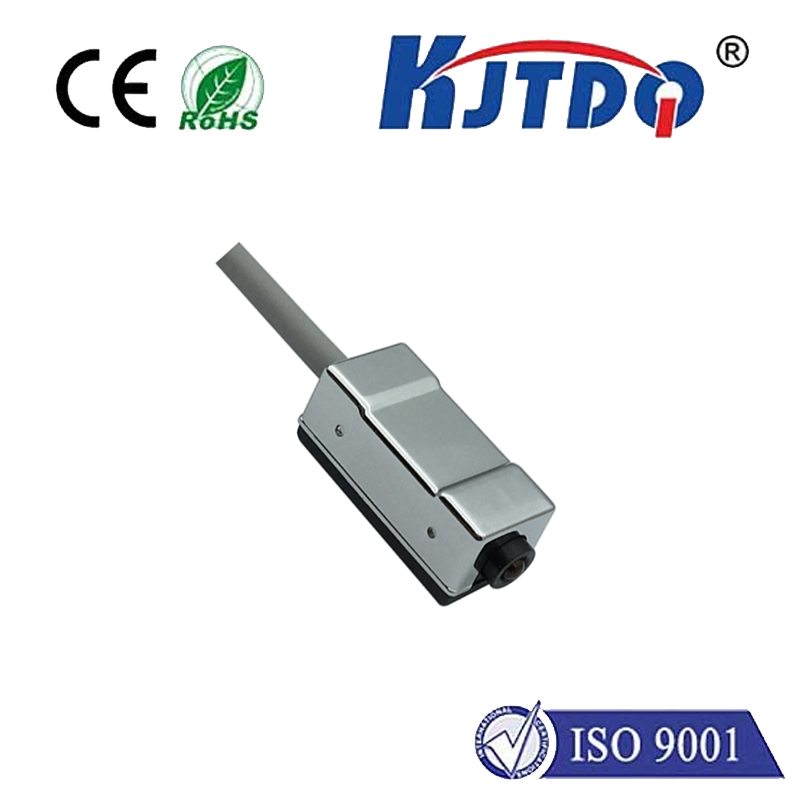
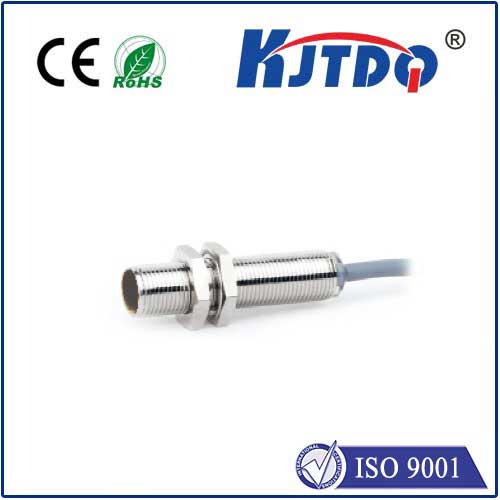
A hydraulic proximity position sensor is a non-contact device designed to detect the presence or precise location of a target, typically a metal component like a piston rod or cylinder, within a hydraulic system. Unlike mechanical limit switches that require physical contact, these sensors operate by generating an electromagnetic field. When a metallic target enters this field, it induces changes—such as in inductance or eddy currents—that are detected and converted into a clear electrical signal. This signal is then used by the control system to monitor position, sequence operations, or trigger alarms.
The integration of KJTDQ hydraulic proximity position sensors brings a multitude of benefits to complex hydraulic applications. First and foremost is their exceptional reliability. By eliminating physical contact, they avoid the wear and tear, mechanical failure, and false triggers associated with traditional switches. This translates directly into reduced maintenance downtime and lower long-term operational costs. Their robust construction, often featuring stainless steel housings and high-grade seals, ensures they can withstand the harsh conditions typical of hydraulic systems, including exposure to high pressures, temperature extremes, vibrations, and potential fluid contamination.
Precision is another critical advantage. KJTDQ sensors offer high repeatability and accuracy, providing consistent feedback on cylinder rod extension or valve spool position. This precise data is crucial for applications requiring fine control, such as in injection molding machines, precision presses, mobile construction equipment, and automated material handling systems. It enables smoother operation, better product quality, and optimized cycle times.
Furthermore, these sensors contribute significantly to system safety. They can provide real-time feedback to prevent over-travel of cylinders, monitor for fault conditions, and ensure machines operate within their designed parameters. This proactive monitoring helps prevent equipment damage and enhances workplace safety.
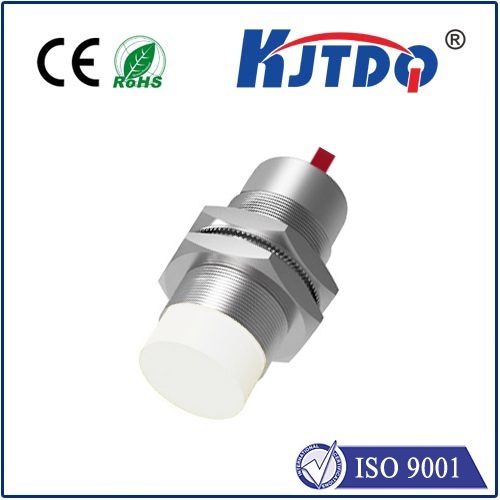
When selecting a KJTDQ hydraulic proximity position sensor, several key specifications should be considered. The sensing range must be appropriate for the application, and factors like the target material and size are crucial for correct operation. Output type is also important; common options include analog (4-20mA or 0-10V) for continuous position feedback, or digital (PNP/NPN) for simple limit detection. The sensor's electrical connection, rated voltage, and degree of protection (IP rating) must be compatible with the industrial environment. Finally, the physical form factor—whether cylindrical, rectangular, or threaded—needs to fit the available mounting space on the hydraulic cylinder or valve block.
Installation and integration are typically straightforward. Proper alignment between the sensor and the target is essential for optimal performance. Ensuring a clean mounting surface and correct wiring according to the datasheet will guarantee reliable signal transmission to the programmable logic controller (PLC) or other control unit.
In conclusion, for engineers and system integrators seeking to maximize the performance and reliability of hydraulic systems, KJTDQ hydraulic proximity position sensors represent a superior choice. Their non-contact operation, rugged design, and precise feedback make them an indispensable component in modern industrial automation. By providing accurate, real-time positional data, they empower smarter control, enhance safety protocols, and drive overall operational excellence in the most challenging applications.