check

check

check

check

check

check
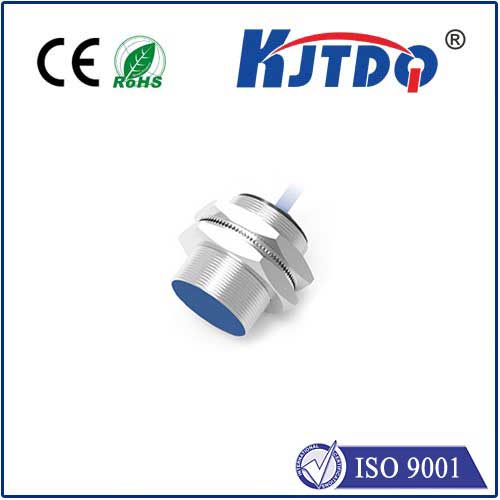
In the rapidly evolving landscape of industrial automation, precision, reliability, and durability are non-negotiable. The Proximity Switch Sensor XS618B4PAL2 stands as a pivotal component engineered to meet these stringent demands. This inductive proximity sensor is designed for non-contact detection of metallic objects, offering a robust solution for a myriad of applications in manufacturing, packaging, material handling, and assembly lines.
The XS618B4PAL2 model exemplifies advanced sensing technology. Its core functionality relies on generating an electromagnetic field. When a metallic target enters this field, it induces eddy currents, causing a change in the sensor's oscillation amplitude. This change is detected and converted into a clear electrical switching signal. This principle allows for highly accurate and repeatable detection without any physical contact, thereby eliminating mechanical wear and tear, ensuring a long operational lifespan, and reducing maintenance costs.
Key technical specifications contribute to its superior performance. Typically featuring a sensing range tailored for precise applications, it offers consistent detection regardless of surface color, brightness, or environmental dust—conditions that often challenge optical sensors. The housing is frequently constructed from high-grade materials like nickel-plated brass or stainless steel, providing exceptional resistance to oils, coolants, and industrial chemicals. The IP67 or higher protection rating guarantees reliable operation in harsh environments with exposure to water and dust. The 4-wire configuration (implied by part of the model number) often indicates a sensor with both PNP (sourcing) and NPN (sinking) output options, sometimes with a complementary NO (Normally Open) and NC (Normally Closed) output, offering exceptional flexibility for integration into diverse PLC (Programmable Logic Controller) systems and electrical cabinets.
The practical benefits for engineers and plant managers are substantial. By integrating the XS618B4PAL2 proximity sensor, production lines achieve higher precision in object positioning, counting, and end-position monitoring. This leads to a significant reduction in errors, minimized downtime, and optimized cycle times. For instance, in automated machining centers, these sensors reliably confirm the presence of a metal workpiece before a process begins, preventing costly collisions or machining errors. In conveyor systems, they ensure precise control of item spacing and routing, streamlining material flow.
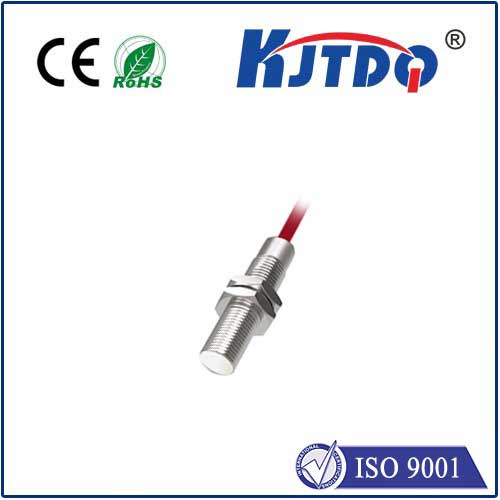
Furthermore, its design prioritizes ease of installation and use. Many variants come with built-in LED status indicators, providing immediate visual confirmation of operation and power, which simplifies troubleshooting. The standardized M18 threaded barrel design allows for quick and secure mounting in standard fixtures, saving valuable installation time during setup or replacement.
Beyond basic detection, the robustness of the XS618B4PAL2 makes it suitable for safety-related applications, such as monitoring guard door positions or ensuring that a robotic cell is clear before initiating an automatic cycle. Its fast response time is critical for high-speed automation, where milliseconds matter for synchronization and throughput.
Choosing the right sensor is crucial for system integrity. The Proximity Switch Sensor XS618B4PAL2 represents a category of devices built for industrial rigor. When selecting such a component, factors like the target material (ferrous or non-ferrous metals), required sensing distance, electrical output type, supply voltage, and environmental conditions must be carefully matched to the application's needs. This model, with its specific coding, is designed to fulfill a precise set of these parameters, ensuring interoperability and performance.
In conclusion, the Proximity Switch Sensor XS618B4PAL2 is more than just a switch; it is an enabler of efficiency and reliability in modern industrial ecosystems. Its non-contact sensing principle, environmental resilience, and flexible electrical integration make it a cornerstone technology for advancing automation goals, from improving product quality to enhancing overall equipment effectiveness (OEE). For industries striving towards smarter, more connected, and more efficient operations, deploying such reliable sensing solutions is a definitive step forward.