check

check

check

check

check

check
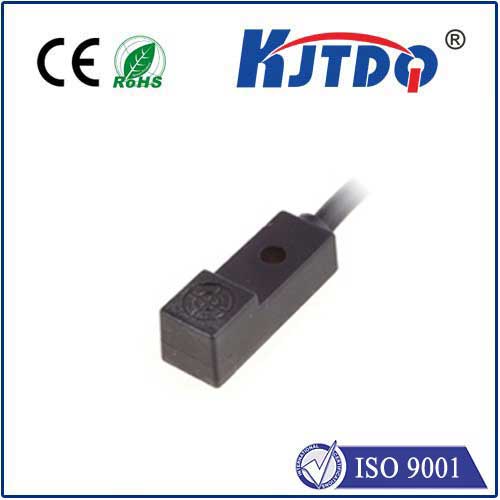
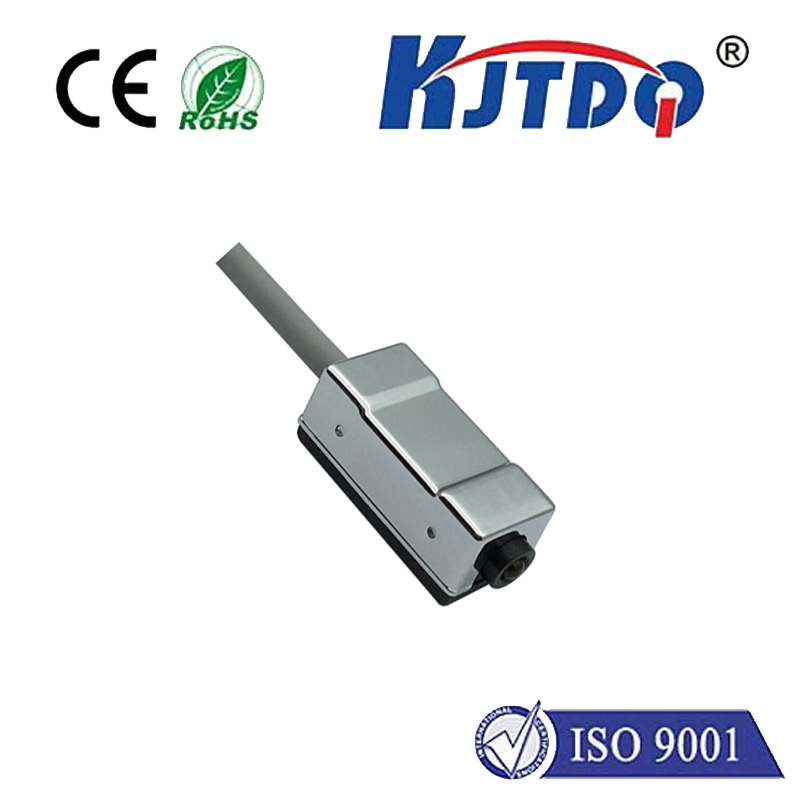
In the realm of industrial automation and electronic control, the proximity sensor stands as a fundamental component, enabling non-contact detection of objects. Among the various output configurations, the PNP type is widely prevalent, particularly in many European and Asian systems. This article delves into the operational principles, wiring, and practical applications of the PNP proximity sensor, providing essential knowledge for engineers and technicians.
A proximity sensor, fundamentally, detects the presence or absence of an object without physical contact. It typically emits an electromagnetic field or a beam of electromagnetic radiation and looks for changes in the field or return signal. The term "PNP" refers to the transistor switching technology used in the sensor's output circuit. In a PNP sensor, the output wire switches to a positive voltage (often +24V DC) when an object is detected. This is in contrast to an NPN sensor, where the output switches to ground (0V). Understanding this distinction is crucial for proper integration into control systems like PLCs (Programmable Logic Controllers).
The core operation of a PNP proximity sensor can be visualized through its three-wire connection. These wires are typically brown, blue, and black. The brown wire is connected to the positive supply voltage (e.g., +24V DC). The blue wire is connected to the common ground (0V). The black wire is the signal output line. In its normal state (no target detected), the black output wire is effectively disconnected or at a high-impedance state relative to the positive supply. When a metallic or other detectable target enters the sensor's sensing range, the internal PNP transistor switches on. This action connects the black output wire to the positive supply voltage (brown wire) internally. Consequently, the black wire now carries a positive voltage signal, which can be read by the input module of a PLC or other controller as a "HIGH" or "ON" signal.
This "sourcing" characteristic of the PNP sensor—it sources current to the load—makes it compatible with sinking input modules on a PLC. A sinking input module expects a positive voltage to be applied to its terminal to activate it. Therefore, wiring a PNP sensor to such a module is straightforward: the sensor's black wire provides the positive voltage to the PLC input when activated. This compatibility is a primary reason for its widespread adoption in many control panel designs.
The applications for PNP proximity sensors are vast and critical across numerous industries. In automotive manufacturing, they are used to count parts on a conveyor, verify the position of robotic arms, or detect the presence of a chassis for welding. In packaging machinery, these sensors ensure that bottles are correctly positioned for capping or that boxes are present for labeling. Within material handling systems, they provide position feedback for palletizers and sorters. Their robustness, reliability, and ability to function in harsh environments—resistant to dust, oil, and coolant—make them indispensable. Inductive PNP sensors, for instance, are perfect for detecting metals, while capacitive versions can detect non-metallic materials like liquids, wood, or plastics.
Selecting the right PNP sensor involves several considerations. The sensing range, which is the maximum distance at which the sensor can reliably detect a standard target, is paramount. The housing material, such as nickel-plated brass or stainless steel, must withstand the environmental conditions. The electrical specifications, including operating voltage range and output current capacity, must match the control system's requirements. Furthermore, the mounting style (flush or non-flush) affects the sensing characteristics and must be chosen based on the installation environment to avoid mutual interference between adjacent sensors.
Installation and maintenance are generally straightforward but require attention to detail. Ensuring a stable power supply is critical; voltage spikes or drops can lead to erratic behavior or sensor failure. Proper grounding minimizes electrical noise interference. For inductive sensors, it is important to remember that different metals have different correction factors; for example, steel is detected at the nominal range, but stainless steel or aluminum may reduce the effective sensing distance. Regular cleaning of the sensor face prevents false triggers caused by accumulated debris.
In conclusion, the PNP proximity sensor is a versatile and reliable workhorse in modern industrial automation. Its sourcing output logic offers a simple and effective interface with common control hardware. By mastering its wiring, understanding its operating principle, and applying it correctly within a system, engineers can build more efficient, safe, and intelligent automated processes. Whether for simple object detection or as part of a complex safety interlock system, the PNP proximity sensor remains a key enabler of precision and reliability on the factory floor.