check

check

check

check

check

check
In the bustling environments of airports, shopping malls, and metro stations worldwide, escalators serve as critical arteries for pedestrian flow. Behind their seamless operation lies a sophisticated network of safety technologies, among which escalator proximity sensors have emerged as a pivotal innovation. These sensors, often unnoticed by the average commuter, play a fundamental role in preventing accidents, optimizing energy usage, and ensuring the reliable performance of escalator systems.
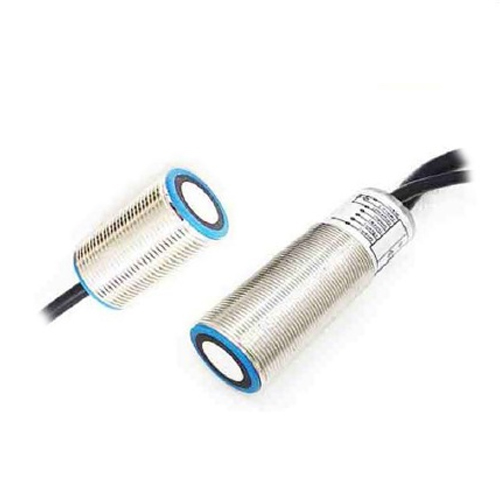
Escalator proximity sensors are typically installed at key points along the escalator's path, such as the entry and exit combs, step edges, and balustrades. Utilizing technologies like infrared, ultrasonic, or microwave detection, these devices continuously monitor the immediate surroundings for objects or individuals that may be too close to hazardous zones. For instance, if a passenger's clothing or luggage gets caught near the comb plate, the sensor can trigger an immediate stop, mitigating the risk of entrapment or injury. This real-time responsiveness is crucial in high-traffic areas where split-second decisions can avert serious incidents.
Beyond safety, these sensors contribute significantly to operational efficiency. Modern escalators equipped with intelligent proximity detection can adjust their speed based on passenger presence. During off-peak hours, when no movement is detected for a predetermined period, the escalator may slow down or enter a standby mode, reducing wear and tear and cutting energy consumption by up to 30%. This not only lowers operational costs for facility managers but also aligns with global sustainability goals by minimizing carbon footprints.
The integration of proximity sensors with centralized control systems represents another leap forward. Data collected from sensors can be analyzed to predict maintenance needs, such as identifying unusual vibrations or misalignments before they escalate into failures. This predictive maintenance approach reduces downtime and extends the lifespan of escalator components, ensuring smoother transit experiences for millions daily.
Despite their advantages, the deployment of escalator proximity sensors requires careful consideration. Factors like environmental conditions (e.g., dust, humidity) and potential interference from other electronic devices must be addressed to maintain accuracy. Manufacturers are continually refining sensor designs to enhance durability and sensitivity, incorporating self-diagnostic features that alert technicians to calibration issues.
In conclusion, escalator proximity sensors are more than just safety gadgets; they are integral to the smart infrastructure of urban mobility. As cities grow denser and transit systems become more interconnected, the reliance on such automated technologies will only intensify. By prioritizing innovation in sensor applications, stakeholders can foster safer, greener, and more efficient public spaces for future generations.