check

check

check

check

check

check
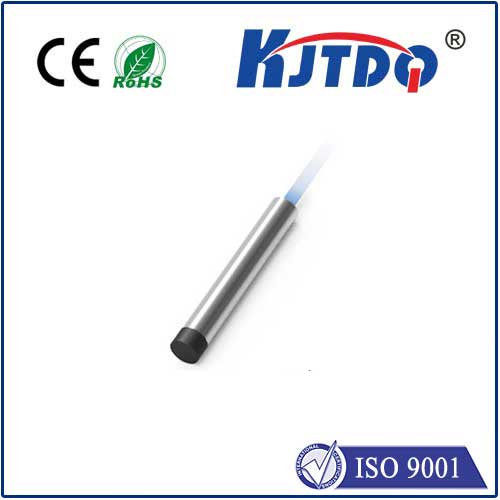
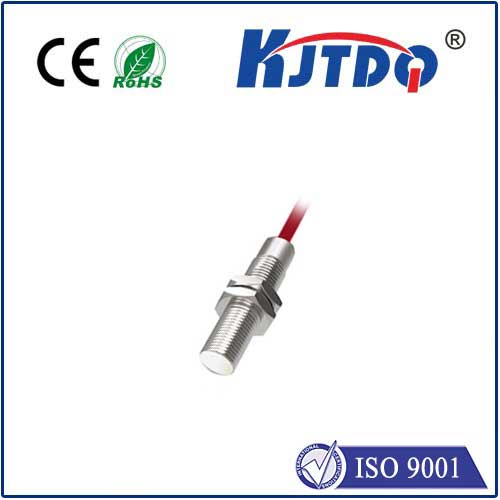
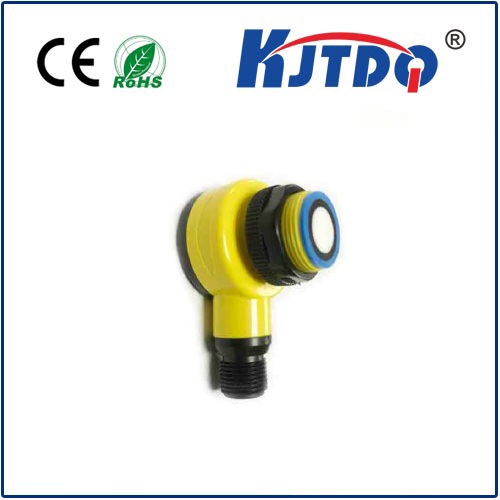
In today's rapidly advancing technological landscape, the demand for efficient, reliable, and space-saving detection solutions has never been greater. Among the myriad of options available, the proximity mini sensor stands out as a pivotal component in modern electronics and automation systems. This compact device is engineered to detect the presence or absence of an object within a specified range without any physical contact, making it indispensable in applications where precision and miniaturization are key.
The core functionality of a proximity mini sensor revolves around its ability to emit an electromagnetic field or a beam of radiation, such as infrared light, and then monitor for changes in the field or return signal. When an object enters the sensor's detection zone, it disrupts this field, triggering an output signal that can be used to control machinery, alert systems, or gather data. This non-contact operation eliminates wear and tear, ensuring longevity and reducing maintenance costs—a significant advantage over mechanical switches.
One of the most compelling features of proximity mini sensors is their versatility. They are commonly utilized in industrial settings for tasks like object counting, position sensing, and limit switching on assembly lines. In consumer electronics, these sensors enable touchless interfaces, such as automatic faucets or smartphone screen activation when brought near the ear. The automotive industry relies on them for parking assistance systems and collision avoidance, while in healthcare, they facilitate precise equipment positioning and patient monitoring devices.
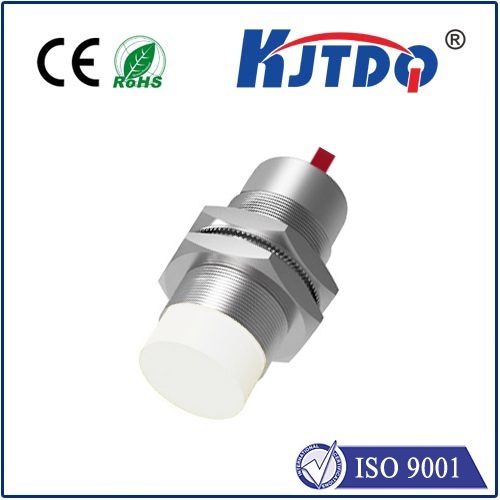
When selecting a proximity mini sensor, several factors come into play. Detection range is crucial; it must align with the application's requirements, whether it's a few millimeters for intricate PCB work or several centimeters for broader industrial use. The sensing material also matters—inductive sensors detect metals, capacitive sensors handle non-metals and liquids, and photoelectric sensors use light beams for various surfaces. Environmental conditions like temperature, humidity, and potential interference from other electronic devices should be considered to ensure optimal performance.
Installation and integration are straightforward, thanks to the miniaturized design of these sensors. Their small footprint allows them to fit into tight spaces without compromising functionality. Most models come with standardized output signals, such as NPN or PNP for DC sensors, making them compatible with a wide range of controllers and PLCs. Proper mounting and alignment are essential to avoid false triggers, and many sensors include LED indicators for easy diagnostics during setup.
Looking ahead, the future of proximity mini sensors is bright, driven by trends like the Internet of Things (IoT) and smart manufacturing. Innovations in materials and chip technology are leading to even smaller, more energy-efficient sensors with enhanced sensitivity and faster response times. As industries continue to automate and seek smarter solutions, these sensors will play a critical role in enabling seamless, efficient operations across diverse fields.
In summary, the proximity mini sensor is a cornerstone of modern detection technology, offering a blend of compactness, reliability, and adaptability. Whether you're an engineer designing a new system or a business owner optimizing processes, understanding and leveraging this technology can lead to significant improvements in efficiency and innovation. By choosing the right sensor for your needs and following best practices for implementation, you can harness its full potential to drive progress in an increasingly connected world.