check

check

check

check

check

check
In the intricate world of industrial automation, the reliability and precision of sensing components are paramount. Among these, the Proximity Sensor E3F-18S50N1 stands out as a robust and versatile solution for countless detection tasks. This guide delves into the core aspects of this sensor, exploring its operational principles, key specifications, and the diverse scenarios where it proves indispensable, ensuring you have the technical knowledge to leverage its capabilities fully.
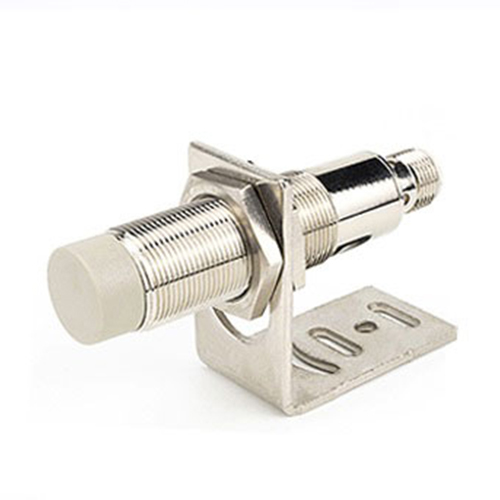
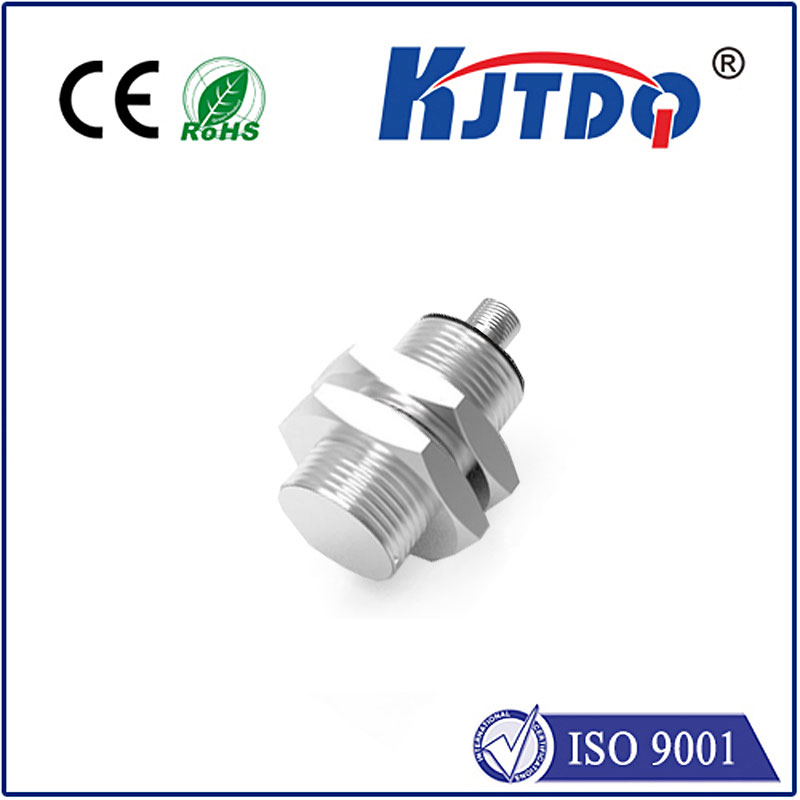
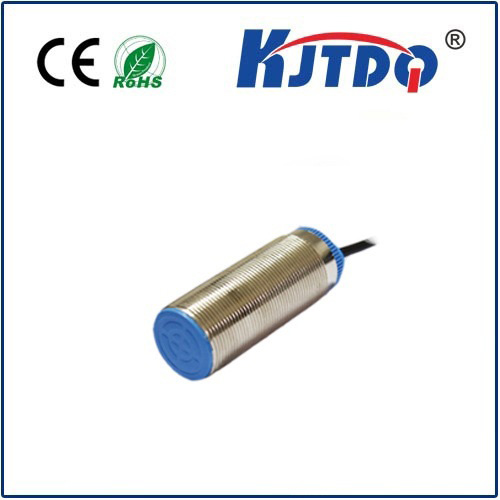
The E3F-18S50N1 is a cylindrical, diffuse-reflective photoelectric sensor. Unlike through-beam sensors that require separate emitter and receiver units, this model houses both within a single body. It operates by emitting a beam of modulated light—typically infrared or visible red—from its LED. When this light strikes an object within its sensing range, a portion diffuses and reflects back to the sensor's receiver. The internal circuitry then processes this returned signal to detect the object's presence. This self-contained design simplifies installation, reduces wiring complexity, and is ideal for applications where mounting two separate units is impractical.
A key specification defining this sensor is its 50mm nominal sensing distance. This range is optimized for detecting small to medium-sized objects reliably without being overly sensitive to background interference. The "N1" suffix often indicates a Normally Open (NO) output configuration, meaning the output switch activates (turns on) when an object is detected. It commonly features a solid-state NPN or PNP transistor output, providing fast, bounce-free switching suitable for high-speed counting or positioning tasks. Built to endure harsh environments, the E3F-18S50N1 typically boasts an IP67 rating, making it dust-tight and capable of withstanding temporary immersion in water. This resilience allows deployment in washdown areas, outdoor settings, or dusty manufacturing floors.
The practical applications for the E3F-18S50N1 are extensive across various industries. In packaging and material handling, it is frequently used for object detection on conveyor belts, verifying the presence of boxes, bottles, or components before proceeding to the next stage like labeling, filling, or sorting. Its precise detection aids in accurate counting and prevents jams. Within automated assembly lines, it ensures parts are correctly positioned before a robotic arm performs an operation, such as insertion or welding, thereby enhancing quality control. Furthermore, in the automotive sector, these sensors monitor the passage of parts through paint shops or assembly stations. Their robust housing allows them to function reliably despite exposure to oils, coolants, and vibrations common in such environments.
Selecting and installing the E3F-18S50N1 requires attention to several factors. First, ensure the target object's material, color, and surface finish are suitable for diffuse reflection; dark, matte, or absorbent surfaces may reduce the effective sensing range compared to light, reflective ones. Proper alignment is less critical than with through-beam sensors, but avoiding highly reflective backgrounds that could cause false triggers is important. Mounting should be secure to minimize vibration, and environmental factors like ambient light, dust, or steam should be considered, as they can influence performance. Many models feature a sensitivity potentiometer or teach-in function, allowing fine-tuning on-site for optimal reliability.
When integrated into a control system, such as a Programmable Logic Controller (PLC), the sensor's output provides a critical digital signal for decision-making. For instance, a signal from the E3F-18S50N1 can start a timer, increment a counter, or trigger an actuator. Its consistent performance is a cornerstone for building efficient, error-resistant automated processes. Regular maintenance involves keeping the lens clean from dirt or debris and periodically verifying the sensing distance and output response to ensure long-term operational integrity.
In summary, the Proximity Sensor E3F-18S50N1 represents a blend of simplicity, durability, and effectiveness. Its diffuse-reflective principle offers a practical balance between performance and ease of use for a wide array of detection challenges. By understanding its technical parameters and ideal use cases, engineers and technicians can effectively implement this sensor to enhance automation reliability, improve safety, and boost overall productivity in demanding industrial settings. Its role may be discrete, but its impact on seamless automation is profoundly significant.