check

check

check

check

check

check
In today's fast-paced commercial and industrial environments, efficient and reliable access control is not just a convenience—it's a necessity. The integration of advanced automation technology into entry systems has revolutionized how we manage security, traffic flow, and energy efficiency. At the heart of this transformation lies a critical component: the automatic door sensor proximity switch. These sophisticated devices, particularly those offered under innovative solutions like KJTDQ, are the unsung heroes ensuring seamless, safe, and intelligent door operation.
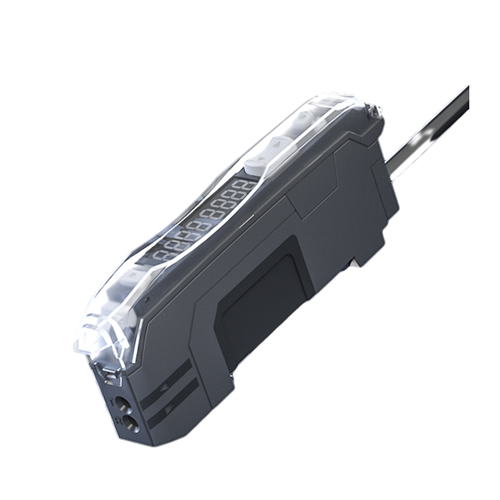
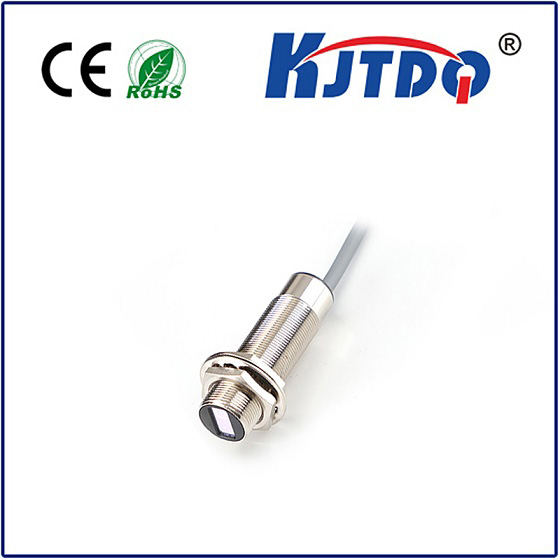
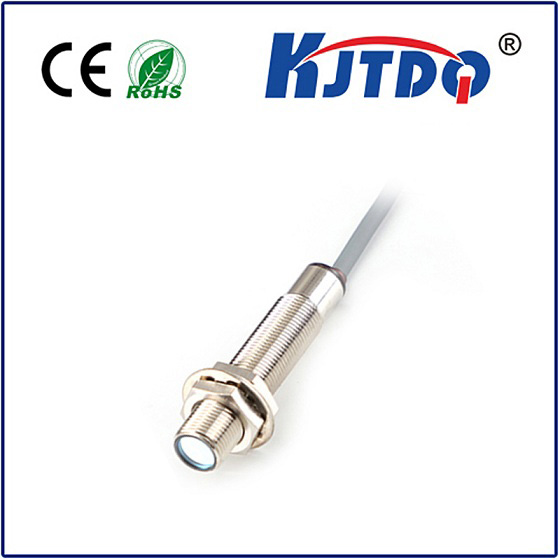
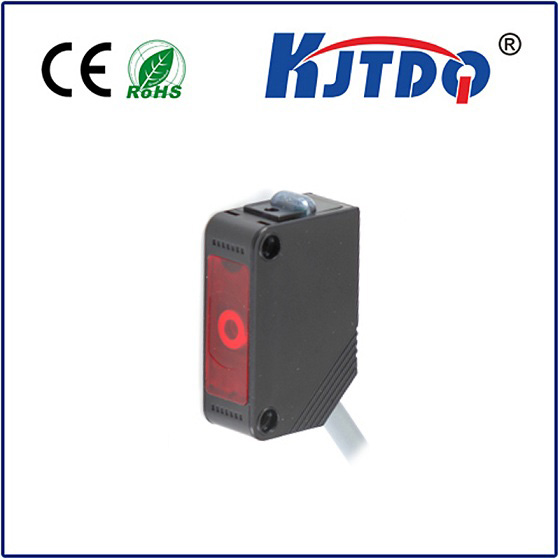
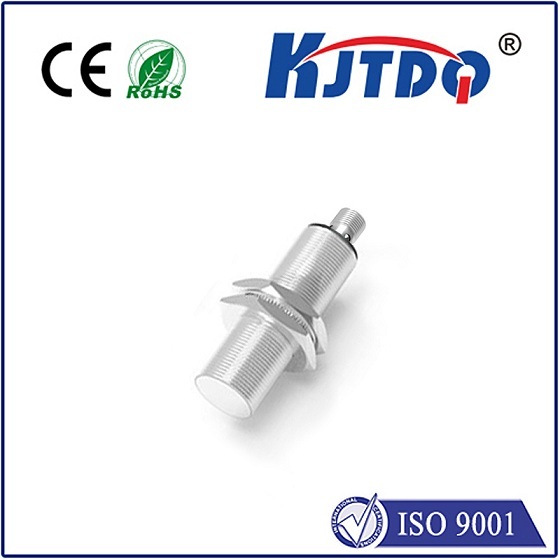
An automatic door sensor proximity switch is a non-contact sensing device that detects the presence or absence of an object, typically a person, within a specific range. Unlike traditional mechanical switches or pressure mats, it operates using electromagnetic fields, infrared beams, or microwave signals. When an object enters its detection zone, the sensor triggers a signal that commands the door's motorized mechanism to open. Once the object passes through and the zone is clear, another signal prompts the door to close. This hands-free operation is fundamental in settings requiring hygiene, accessibility, or high traffic volume, such as hospitals, supermarkets, airports, and office buildings.
The KJTDQ series of proximity switches elevates this core functionality with a focus on precision, durability, and adaptability. What sets a high-quality sensor apart is its ability to discriminate between intentional approaches and environmental noise. KJTDQ sensors are engineered with advanced signal processing algorithms. This means they can reliably detect a person walking towards the door while ignoring minor interferences like moving air from an HVAC system, stray reflections from shiny floors, or distant movement outside the intended path. This reduces false triggers, which are a common source of wear on door actuators and a nuisance for building occupants.
Durability is another cornerstone of the KJTDQ design. These sensors are built to withstand the rigors of 24/7 operation in diverse environments. They are often housed in robust casings with high Ingress Protection (IP) ratings, making them resistant to dust, moisture, and temperature fluctuations. Whether installed at the entrance of a refrigerated warehouse or a dusty loading bay, a reliable proximity switch must maintain consistent performance. The longevity of the sensor directly impacts the total cost of ownership by minimizing maintenance downtime and replacement frequency.
From an installation and integration perspective, modern proximity switches like those from KJTDQ offer remarkable flexibility. They are designed to be compatible with a wide array of automatic door systems, from sliding and swinging to revolving doors. Technicians appreciate features like adjustable detection range and sensitivity, which allow for fine-tuning on-site to suit the exact architectural layout and usage patterns. Furthermore, many models now incorporate connectivity options for integration into broader building management systems (BMS) or Internet of Things (IoT) networks. This enables facility managers to monitor door status, track usage cycles for predictive maintenance, and even adjust operational parameters remotely, contributing to smarter building operations.
The benefits of deploying a high-performance automatic door sensor system extend far beyond simple automation. The most significant advantage is enhanced safety. Modern sensors, including KJTDQ models, often feature dual-technology or redundant safety systems. For instance, they may combine an active infrared sensor for primary detection with a passive infrared sensor to verify the presence of a heat-emitting object. This layered approach is crucial for preventing doors from closing on individuals, especially children or the elderly. Many systems also include a safety reversing edge or a separate safety beam as a final backup, creating a comprehensive safety curtain.
Energy conservation is a direct and impactful benefit. Automatic doors equipped with responsive proximity switches minimize the time doors remain open, thereby reducing the exchange of indoor and outdoor air. This significantly lessens the load on heating, ventilation, and air conditioning (HVAC) systems, leading to substantial energy savings and a lower carbon footprint for the facility. In retail environments, this also helps maintain a consistent and comfortable indoor climate for customers.
Finally, the user experience is profoundly improved. Automatic doors represent a point of first contact for any building. A door that opens smoothly, promptly, and reliably creates an impression of modernity, efficiency, and consideration for all users, including those with disabilities, parents with strollers, or employees carrying heavy items. It eliminates the friction of manual operation and facilitates a steady, efficient flow of people, which is critical in high-traffic areas during peak hours.
In conclusion, the automatic door sensor proximity switch is a pivotal element in modern architectural design and facility management. Solutions like those provided by KJTDQ demonstrate how focused engineering in sensor technology—prioritizing accuracy, resilience, and intelligence—can deliver tangible improvements in safety, efficiency, and sustainability. When selecting components for an automatic door system, investing in a superior quality proximity switch is not merely a technical detail; it is a strategic decision that ensures reliable performance, enhances user satisfaction, and protects the long-term value of the building's infrastructure.