check

check

check

check

check

check
In the intricate world of industrial automation, precision, reliability, and durability are non-negotiable. Among the myriad of components that keep modern machinery humming, the proximity sensor stands as a silent sentinel, detecting the presence or absence of objects without physical contact. When specifications like "18mm" and "12V" enter the equation, we're talking about a specific class of sensors designed for robust performance. The KJTDQ series of 18mm 12V proximity sensors exemplifies this blend of exacting standards and practical application, offering a dependable solution for countless control and detection tasks.
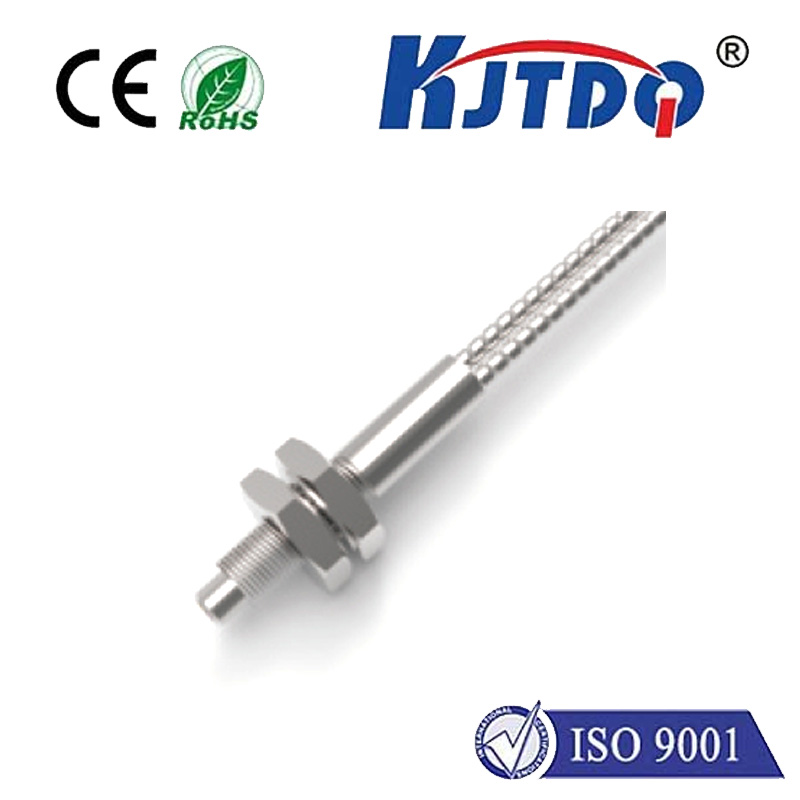
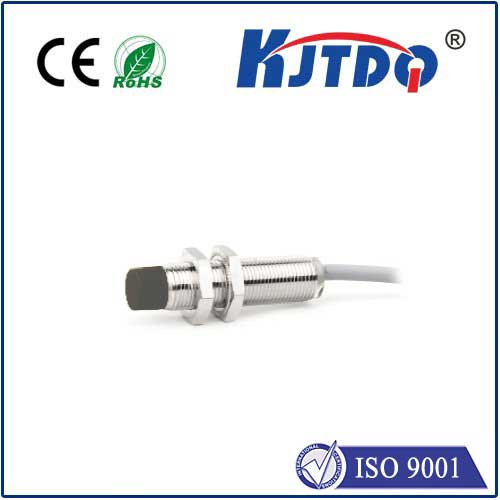
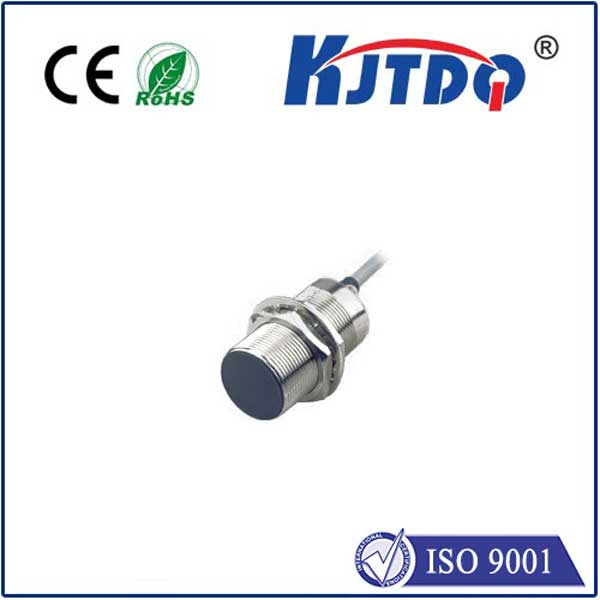
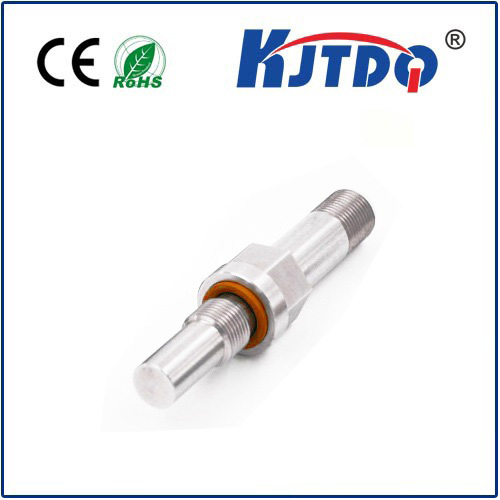
An 18mm 12V DC inductive proximity sensor, such as those in the KJTDQ line, is engineered for a specific niche. The 18mm typically refers to the diameter of the sensor's sensing face or housing, a common and versatile size that allows for easy installation in standard mounting holes found in machinery, conveyor systems, and automated equipment. This dimension strikes an optimal balance between a compact form factor and sufficient space for a robust sensing coil and electronics. The 12V DC operating voltage is another critical specification. It is one of the most prevalent voltage levels in industrial control panels and low-voltage control circuits, compatible with Programmable Logic Controllers (PLCs), relays, and other standard 12-24V DC control systems. This makes integration straightforward, eliminating the need for complex voltage conversion modules.
The core technology behind these sensors is electromagnetic induction. The sensor generates a high-frequency oscillating electromagnetic field from its face. When a metallic object (typically ferrous metals like steel or iron, or non-ferrous like aluminum, brass, or copper depending on the sensor type) enters this field, eddy currents are induced in the target. This causes a change in the oscillation amplitude, which is detected by the sensor's internal circuitry. This change triggers a solid-state switch, sending a clean, fast electrical signal to the connected controller. The "switching distance" or sensing range for an 18mm sensor is typically standardized, often around 5mm or 8mm for a standard ferrous target, ensuring consistent and repeatable detection.
Why choose a KJTDQ 18mm 12V proximity sensor? The advantages are clear for engineers and maintenance professionals. First is their non-contact operation. Since there is no mechanical wear from physical touch, these sensors boast an exceptionally long service life, often rated for tens of millions of operations. This translates to reduced downtime and maintenance costs. Second, they offer high switching frequency, capable of detecting objects passing at very high speeds—a necessity in fast-paced production lines. Third, they are remarkably resilient. Housed in robust materials like nickel-plated brass or stainless steel, KJTDQ sensors are built to withstand harsh industrial environments. They are often rated IP67 or higher, meaning they are completely protected against dust and can withstand temporary immersion in water, resisting coolants, oils, and cutting fluids common in manufacturing settings.
The applications for these workhorses are virtually limitless. They are ubiquitous in material handling for detecting the position of pallets, boxes, or products on conveyors. In machine tools, they serve as limit switches to confirm the position of a spindle or tool changer. They count bottles on filling lines, control automated doors, monitor robotic arm positions, and ensure safety by verifying guard doors are closed. The 12V DC operation makes them particularly suitable for mobile equipment, packaging machinery, and smaller automated systems where lower voltage control is standard.
Selecting the right sensor involves a few key considerations beyond just size and voltage. Pay attention to the sensing distance and ensure it meets your application's needs with an appropriate safety margin. The output type is crucial: NPN (sinking) or PNP (sourcing) must match the input card of your PLC. The housing material should be chosen based on the environment—stainless steel for corrosive or washdown areas. Finally, look for features like short-circuit protection, reverse polarity protection, and LED status indicators, which are common in quality lines like KJTDQ, as they simplify installation and troubleshooting.
In conclusion, the 18mm 12V proximity sensor is a fundamental pillar of industrial automation. A reliable series like KJTDQ provides the consistent performance, environmental toughness, and electrical compatibility that modern systems demand. By offering precise, wear-free object detection in a compact and versatile package, these sensors empower engineers to build more efficient, reliable, and intelligent automated processes. When your application requires a proven solution for non-contact detection, specifying a high-quality 18mm 12V DC inductive proximity sensor is a step toward greater operational certainty and productivity.