check

check

check

check

check

check
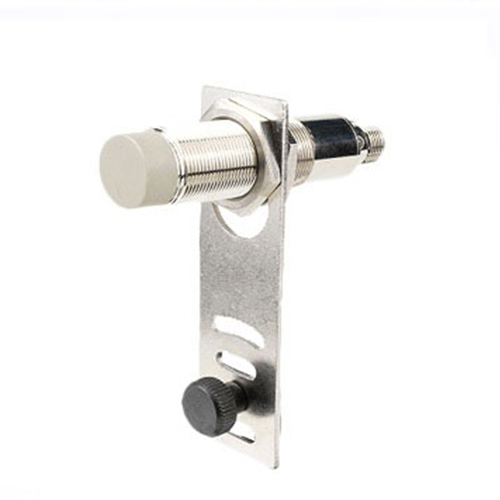
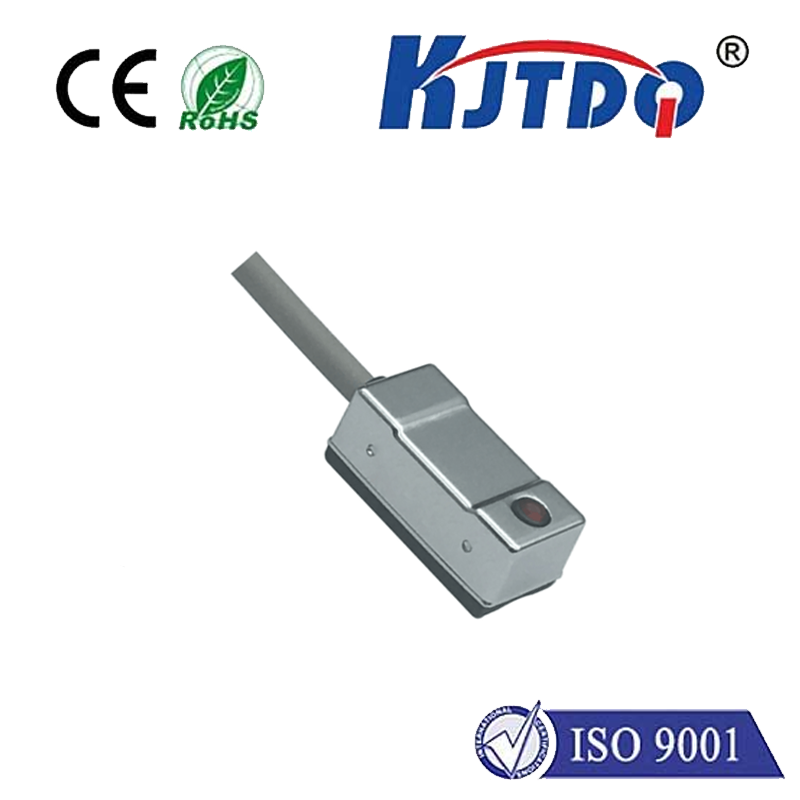
In the intricate world of industrial automation and smart device design, space is often at a premium. Engineers and developers constantly seek components that deliver robust performance without compromising on footprint. This is where the Proximity Sensor Square 40mm emerges as a critical solution. Characterized by its precise 40mm x 40mm square form factor, this sensor category represents an ideal blend of compact design and reliable detection capabilities.
The defining feature of the 40mm square proximity sensor is its standardized size, which allows for seamless integration into control panels, machinery housings, and assembly lines where space constraints are a primary concern. Despite its modest dimensions, it packs significant technological prowess. Typically employing inductive or capacitive sensing principles, these sensors can detect the presence or absence of metallic or non-metallic objects without any physical contact. This non-contact operation is fundamental to reducing mechanical wear and tear, thereby ensuring longevity and minimal maintenance in high-cycle applications.
A key advantage of this specific form factor is its versatility. The square 40mm design often comes with pre-drilled mounting holes or slots, facilitating quick and secure installation. This standardization simplifies the design-in process for OEMs, allowing for predictable panel layouts and streamlined inventory management. Whether it's for position verification on a conveyor belt, end-of-travel detection on a linear actuator, or part counting in a packaging machine, the sensor provides a consistent and dependable signal.
Performance parameters for these sensors are impressive. Many models offer sensing ranges suitable for their compact size, often between 5mm to 20mm for inductive types, with high repeat accuracy. They are built to withstand the rigors of industrial environments, commonly featuring robust housing materials like nickel-plated brass or PBT plastic that offer high resistance to oils, coolants, and dust. Electrical integration is straightforward, with options for NPN or PNP output configurations and a wide range of operating voltages (commonly 10-30V DC), making them compatible with most PLCs (Programmable Logic Controllers) and control systems.
The application spectrum for the proximity sensor square 40mm is remarkably broad. In manufacturing, they are indispensable for automated machining centers, robotic arms, and material handling equipment. Beyond heavy industry, their compact nature makes them suitable for use in commercial appliances, automated doors, and even in specialized medical or laboratory automation equipment where reliable, space-efficient sensing is paramount. Their ability to function reliably in challenging conditions—including exposure to vibration, temperature variations, and electromagnetic interference—makes them a trusted component for system designers.
When selecting a 40mm square proximity sensor, several factors warrant consideration. The sensing distance required for the application must match the sensor's specifications. The material of the target object determines whether an inductive (for metals) or capacitive (for metals, liquids, plastics) model is needed. Environmental factors such as temperature extremes, potential washdowns, or exposure to chemicals dictate the required ingress protection (IP) rating. Finally, the electrical interface must align with the existing control architecture.
Looking ahead, the evolution of the square 40mm proximity sensor continues. Modern iterations are incorporating advanced features like IO-Link communication, which enables smart sensor capabilities such as parameterization, condition monitoring, and diagnostic data reporting. This digital transformation allows for predictive maintenance and finer integration into Industry 4.0 and IIoT (Industrial Internet of Things) frameworks, adding a layer of intelligence to their fundamental detection role.
In conclusion, the proximity sensor square 40mm is far more than just a standardized component. It is a testament to efficient engineering, where a compact, square package delivers powerful, contactless sensing for a multitude of automated tasks. Its reliability, ease of integration, and adaptability solidify its position as a fundamental building block in creating more efficient, reliable, and intelligent automated systems across diverse sectors. For any project demanding precise detection within a limited spatial envelope, this sensor format presents an optimal and proven solution.