check

check

check

check

check

check
In industrial settings where flammable gases, vapors, or combustible dusts are present, safety is not just a priority—it is an absolute necessity. Standard electronic equipment can become a source of ignition, leading to catastrophic events. This is where the explosion proof proximity sensor becomes an indispensable component of modern industrial safety and automation. Unlike regular sensors, these specialized devices are engineered to contain any potential spark or thermal effect within their robust housings, preventing it from igniting the surrounding hazardous atmosphere.
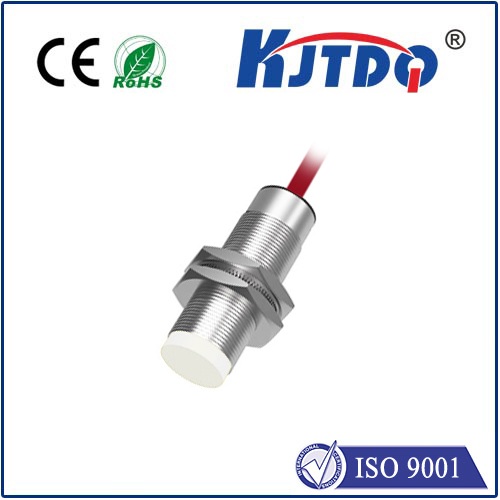
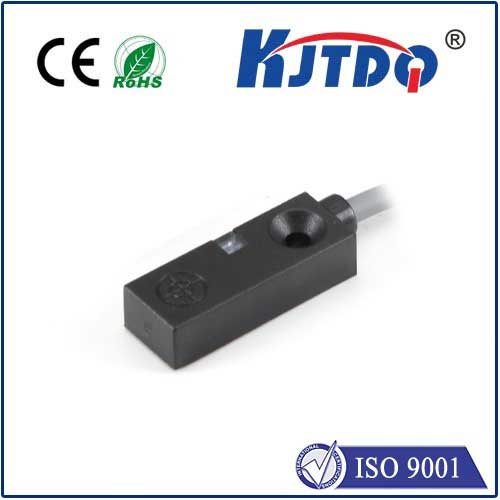
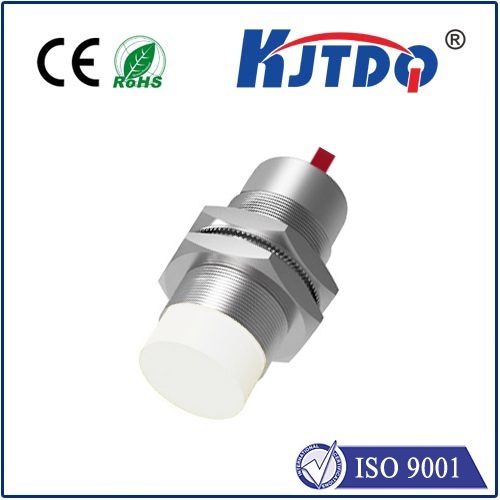
The core principle behind an explosion proof proximity sensor is its ability to withstand an internal explosion without allowing flames or hot gases to escape and trigger a larger blast in the external environment. This is achieved through meticulously designed enclosures constructed from durable materials like stainless steel or brass. These housings feature flame paths—precisely machined gaps or threads—that cool any escaping gases below the ignition temperature of the ambient atmosphere. Common types include inductive sensors for detecting metal objects and capacitive sensors for non-metallic materials, both available in explosion proof configurations.
The applications for these critical sensors are vast and span numerous high-risk industries. In oil and gas refineries, they monitor valve positions, detect tank levels, and control machinery on drilling rigs. Within chemical and pharmaceutical plants, they ensure safe operation of mixers, conveyors, and filling stations where volatile compounds are handled. Grain silos, flour mills, and wood processing facilities utilize them to prevent dust explosions by monitoring equipment presence and position. They are also essential in mining operations, wastewater treatment plants, and paint spray booths.
Selecting the right explosion proof proximity sensor requires careful consideration of several key factors. First and foremost is the certification. Sensors must carry approvals for the specific hazardous area classification where they will be installed. Key standards include ATEX in Europe, IECEx for international use, and UL/CSA in North America. These certifications define Zones (for gas) or Divisions/Classes (for dust and gas) where the equipment is deemed safe to operate. Environmental protection ratings, typically IP67 or higher, are crucial for resistance to dust and water ingress. Other vital specifications include sensing range, output type (PNP/NPN, analog, IO-Link), supply voltage, and temperature range to ensure reliable performance under extreme conditions.
The integration of explosion proof sensors into automated systems brings unparalleled benefits. They enable continuous monitoring and control in areas where human presence must be minimized, enhancing overall operational safety. Their reliability reduces downtime caused by safety shutdowns and prevents costly damage to equipment. Furthermore, their use is often a strict regulatory requirement, ensuring compliance with occupational health and safety laws and avoiding significant legal and financial penalties.
Modern advancements have made these sensors more intelligent and connected. The integration of IO-Link communication allows for detailed diagnostic data, such as signal strength, temperature warnings, and switch point monitoring, to be transmitted directly to the control system. This facilitates predictive maintenance, where potential issues can be addressed before they lead to failure, further boosting system uptime and safety. The design of these sensors has also evolved, with manufacturers offering compact models that provide high performance without sacrificing the stringent safety requirements.
Installation and maintenance, while straightforward, must adhere to strict guidelines to preserve the sensor's integrity and certification. This includes using correctly rated cables and cable glands, ensuring proper torque on threaded enclosures, and following all manufacturer instructions. Regular inspections should check for physical damage, corrosion, and any compromise to the sealed housing.
In conclusion, the explosion proof proximity sensor is far more than just a detection device; it is a fundamental pillar of intrinsic safety in hazardous locations. By providing reliable, non-contact detection while completely isolating potential ignition sources, it protects personnel, safeguards critical assets, and ensures business continuity. For any operation operating in a classified hazardous area, investing in high-quality, certified explosion proof sensing technology is not an option—it is the cornerstone of a responsible and sustainable safety culture.