check

check

check

check

check

check
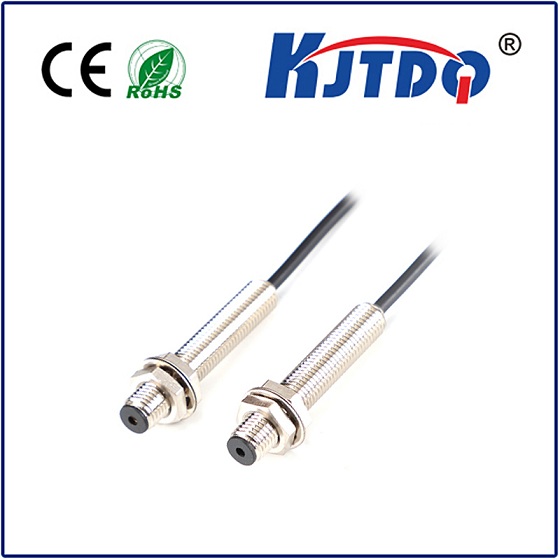
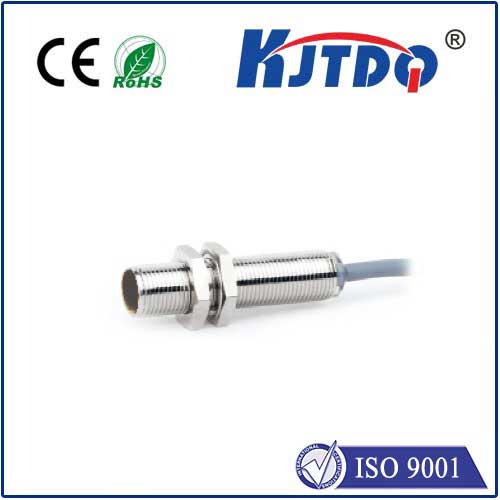
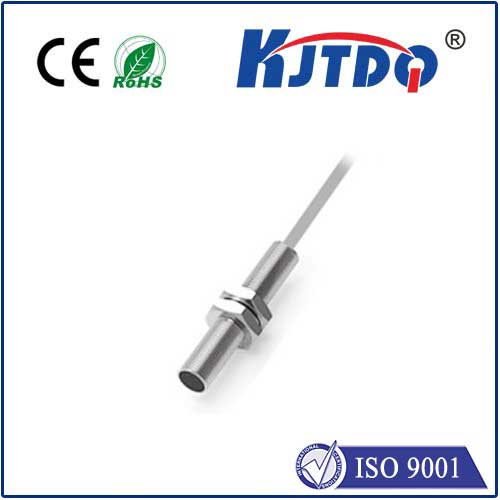
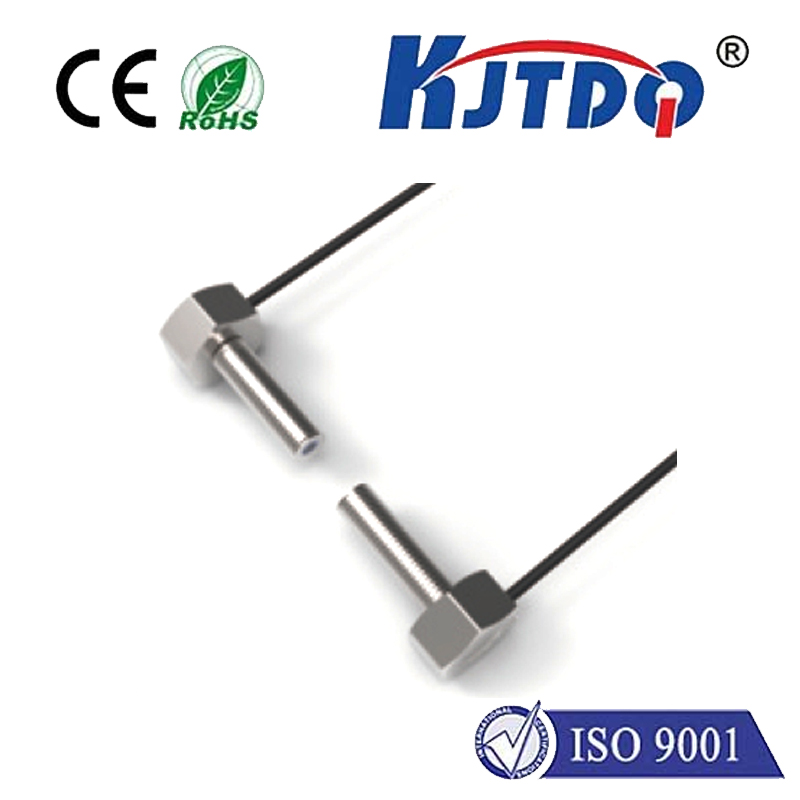
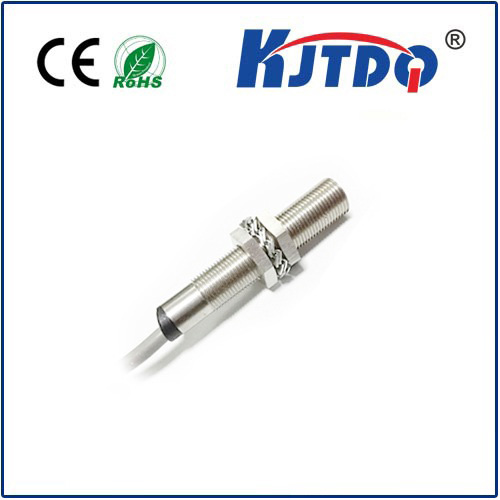
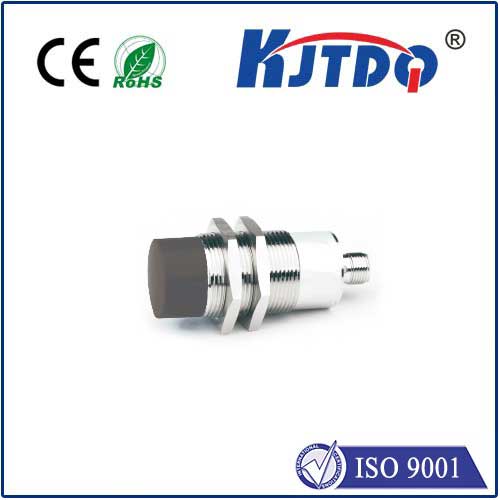
In modern industrial automation, the demand for accurate, reliable, and durable sensing solutions is paramount. Among the various technologies available, the four-wire proximity inductive sensor stands out as a critical component for countless applications. This type of sensor operates on the principle of electromagnetic induction to detect the presence or absence of metallic objects without physical contact, ensuring minimal wear and tear. The "four-wire" designation refers to its wiring configuration, which typically includes two wires for power supply and two for the output signal. This design offers distinct advantages in terms of installation flexibility and signal integrity.
The core functionality of a four-wire inductive proximity sensor revolves around its oscillator circuit. When a metallic target enters the sensor's electromagnetic field, eddy currents are induced in the target. This causes a change in the oscillation amplitude within the sensor's coil. The sensor's circuitry detects this change and triggers a solid-state output switch. The four-wire setup often allows for both normally open (NO) and normally closed (NC) output configurations, providing greater versatility for integrating into different control systems. Unlike two-wire sensors that must pass the load current through the sensor itself, four-wire sensors separate the power and output circuits. This separation leads to several operational benefits.
One of the primary advantages is reduced leakage current. In two-wire sensors, a small leakage current is always present, which can sometimes cause issues with very low-power loads or PLC inputs. Four-wire sensors virtually eliminate this concern, ensuring a crisp, clean switch-off state. Furthermore, they often support a wider range of operating voltages and offer better protection against short circuits and overloads on the output side. This robustness translates directly into enhanced system reliability and reduced downtime in demanding industrial environments such as automotive assembly lines, packaging machinery, and material handling systems.
Installation and wiring of a four-wire proximity sensor are straightforward. The two power wires are connected to a DC supply, commonly 10-30V DC, while the two output wires are connected to the load, such as a programmable logic controller (PLC) input, a relay, or an indicator lamp. The clear separation simplifies troubleshooting and maintenance. Technicians can check power and output signals independently, speeding up diagnostic processes. Many models also feature LED indicators for power and output status, providing immediate visual confirmation of the sensor's operation.
When selecting a four-wire inductive proximity sensor for a specific application, several key parameters must be considered. Sensing range, which varies by model and target material, is crucial. The sensor must be positioned correctly within its specified range for reliable detection. The housing material, typically nickel-plated brass, stainless steel, or PBT plastic, should be chosen based on the environmental conditions, including exposure to chemicals, coolants, or physical impacts. Factors like switching frequency (how quickly it can detect objects), temperature tolerance, and protection ratings (e.g., IP67 for dust and water ingress) are also vital for ensuring long-term performance.
The application scope for these sensors is vast. They are indispensable for position detection, such as verifying if a robotic arm has reached its endpoint or if a metal part is correctly seated in a fixture. They are used for counting metallic objects on a conveyor, monitoring rotational speed by detecting gear teeth, and providing end-of-travel limits for automated slides and actuators. Their non-contact nature makes them ideal for applications where contamination or mechanical damage from physical switches is a risk.
In conclusion, the four-wire proximity inductive sensor is a cornerstone of industrial sensing technology. Its design offers superior electrical characteristics, including low leakage current and stable output, compared to its two-wire counterparts. This makes it a preferred choice for applications demanding high precision and reliability. By ensuring accurate detection of metallic objects in harsh conditions, it contributes significantly to the efficiency, safety, and productivity of automated systems. For engineers and system integrators, understanding its capabilities and proper implementation is key to optimizing machine performance and minimizing maintenance costs. The KJTDQ series exemplifies these qualities, providing a robust solution tailored for challenging industrial automation tasks.