check

check

check

check

check

check
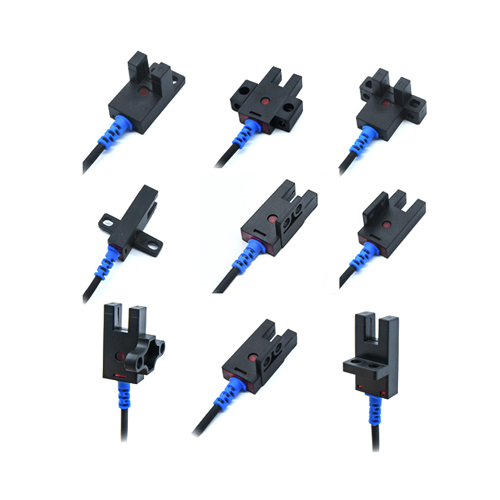
In the realm of automation and smart device interaction, a tiny, often unseen component plays a monumental role: the optical proximity sensor. This technology is fundamental to creating intuitive, efficient, and safe user experiences across a vast array of industries. Unlike other sensing methods, optical proximity sensors utilize light to detect the presence or absence of an object within a specific range without any physical contact.
At its core, an optical proximity sensor consists of two main elements: an infrared light-emitting diode (IR LED) and a photodetector, such as a phototransistor or photodiode. The principle of operation is elegantly straightforward. The IR LED emits a beam of invisible infrared light. When an object enters the sensor's field of view, this light beam is reflected back towards the sensor. The photodetector then captures this reflected light and converts it into an electrical signal. The sensor's internal circuitry analyzes the intensity of this returned signal. A significant increase in signal strength indicates the presence of a nearby object, triggering a predefined output. Some advanced models employ time-of-flight (ToF) calculations, measuring the time delay between light emission and reception to determine precise distance, not just presence.
The advantages of optical proximity sensing are numerous. Its non-contact nature means there is no wear and tear from mechanical interaction, leading to exceptional reliability and longevity. These sensors offer fast response times, high precision for detection tasks, and are generally immune to acoustic or magnetic interference that can affect other sensor types. Furthermore, they can detect a wide variety of materials, including glass, plastic, wood, and liquid surfaces, provided the object reflects enough infrared light.
The applications of optical proximity sensor technology are pervasive and growing. In the consumer electronics sector, they are the unsung heroes behind key functionalities. For instance, in smartphones and tablets, an optical proximity sensor detects when the device is held to the user's ear during a call. It automatically turns off the touchscreen display to prevent accidental cheek-touch inputs and conserves battery power. Similarly, in laptops and all-in-one PCs, these sensors enable features like "wake-on-approach," where the device emerges from sleep mode as the user nears.
Beyond personal devices, this technology is crucial in industrial automation. On assembly lines, optical proximity sensors provide precise object counting, position verification, and jam detection. They ensure robotic arms operate within safe parameters by detecting the presence of personnel in a restricted zone, enhancing workplace safety. In the automotive industry, they are integrated into systems for automatic door control, gesture recognition for infotainment systems, and obstacle detection in parking assistance features.
Another significant application is in the realm of smart home and building automation. Optical proximity sensors contribute to energy efficiency by controlling lighting systems; lights turn on when a person enters a room and off when the space is vacant. They are also used in touchless faucets, soap dispensers, and hand dryers in public restrooms, promoting hygiene and reducing water waste. In retail and advertising, interactive display kiosks use these sensors to detect user presence and initiate content, creating engaging customer experiences.
When selecting an optical proximity sensor for a project, several key parameters must be considered. The *sensing distance* defines the operational range, while the *response time* dictates how quickly the sensor can react to a change. The *repeatability* or precision of detection is critical for consistent performance. Environmental factors such as ambient light immunity are vital for sensors operating under varying lighting conditions. Designers must also consider the object's characteristics—its size, color, and surface material—as these affect reflectivity and, consequently, detection reliability.
Looking ahead, the evolution of optical proximity sensors is intertwined with advancements in miniaturization, power efficiency, and intelligence. The integration of sensor fusion, combining proximity data with inputs from accelerometers or ambient light sensors, will enable even more context-aware applications. As the Internet of Things (IoT) continues to expand, the demand for robust, low-power, and highly reliable optical proximity sensing solutions will undoubtedly surge, solidifying their role as an indispensable component in the connected world. Their ability to bridge the physical and digital realms through simple light detection makes them a cornerstone of modern interactive technology.