check

check

check

check

check

check
In the intricate world of industrial automation, where precision and reliability are non-negotiable, the selection of sensing components can make or break a system's efficiency. Among the myriad of options, the combination of a proximity sensor with a reed sensor, specifically designed for 24VDC operation and capable of handling up to 500W loads, stands out as a robust solution for demanding applications. This guide delves into the core functionality, advantages, and practical applications of this powerful duo, providing essential insights for engineers and procurement specialists.
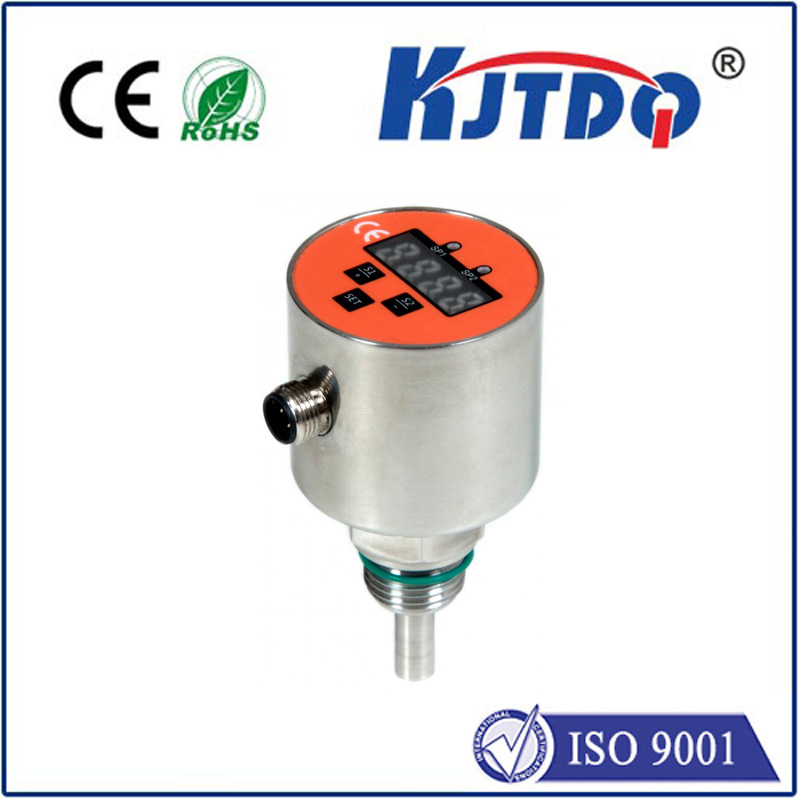
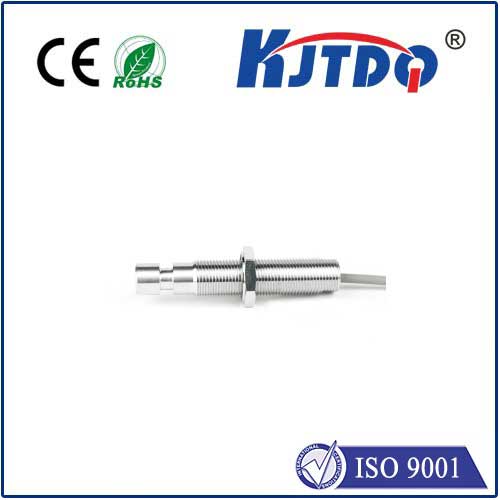
At its heart, a proximity sensor is a non-contact device that detects the presence or absence of an object within its sensing range. Unlike mechanical limit switches, it operates without physical contact, eliminating wear and tear and ensuring a longer operational life. When we specify a 24VDC model, we refer to a sensor powered by a 24 Volt Direct Current supply, which is the de facto standard in industrial control panels and machinery due to its safety and compatibility with Programmable Logic Controllers (PLCs). The 500W rating is a critical parameter, indicating the maximum switching capacity of the sensor's output. In simpler terms, it defines the maximum electrical load (in watts) that the sensor can safely control or switch on and off. This high power handling capability means the sensor can often interface directly with substantial loads like solenoids, contactor coils, or small motors without requiring an intermediate relay, simplifying circuit design and reducing points of failure.
This is where the reed sensor component becomes pivotal. Many industrial proximity sensors utilize a reed switch as their internal switching mechanism. A reed switch consists of two ferromagnetic reeds sealed within a glass tube filled with inert gas. When a magnetic field from the sensor's internal oscillator (in inductive types) or the presence of a ferrous metal target is detected, the reeds magnetize and snap together, closing the electrical circuit. The reed switch is renowned for its excellent isolation between the sensing element and the switched circuit, high-speed operation, and long life due to the sealed, contamination-free environment. The marriage of solid-state proximity sensing electronics with the robust, galvanically isolated switching of a reed contact creates a device that is both smart and sturdy.
The practical benefits of employing a 24VDC 500W proximity sensor with a reed output are substantial. First and foremost is reliability. The non-contact sensing principle ensures millions of operation cycles without degradation. The 24VDC power supply offers a safe voltage level for personnel and is less susceptible to voltage drop over long cable runs compared to lower voltages. The high 500W switching capacity provides design flexibility, allowing engineers to drive heavier loads directly, which streamlines panel layouts and lowers overall system cost by reducing component count. Furthermore, these sensors are typically housed in rugged, metal or high-grade polymer casings with high Ingress Protection (IP) ratings, making them resistant to dust, coolants, oils, and mechanical impacts common in factory environments.
Typical applications are found across heavy industry. On automated assembly lines, they precisely detect the position of metal components, pallets, or robotic arms. In material handling systems, such as conveyor belts, they act as end-position detectors for cylinders or count passing objects. Within machine tools, they provide critical feedback on tool position, door closure status, or safety interlocking. The 500W capacity is particularly useful for directly controlling pneumatic solenoid valves or energizing the coils of larger contactors that manage three-phase motors. For instance, a sensor detecting a clamped workpiece can directly signal a 24VDC, high-power solenoid valve to initiate a machining cycle, creating a fast and efficient control loop.
When integrating these sensors, several best practices ensure optimal performance. Always verify the sensor's sensing distance (rated operating distance) and ensure the target material (usually steel) and size meet the manufacturer's specifications. Pay close attention to the electrical characteristics: ensure the load (inductive or resistive) does not exceed the 500W limit at 24VDC, and for inductive loads like coils, consider using a protective circuit like a flyback diode to suppress voltage spikes. Proper mounting, free from vibration and away from other strong magnetic fields or welding equipment, is crucial to prevent false triggering. Regular maintenance, though minimal, should include checking for physical damage and buildup of metallic swarf or debris on the sensing face.
In conclusion, the 24VDC 500W proximity sensor incorporating a reed switch is more than just a component; it is a cornerstone of modern industrial logic and control. Its blend of non-contact sensing accuracy, the durability and isolation of reed technology, the safety of low-voltage DC operation, and the significant power-handling capability addresses a wide spectrum of automation challenges. For system designers aiming to build resilient, efficient, and cost-effective machinery, understanding and specifying this class of sensor is a decisive step toward achieving operational excellence and minimizing downtime in the most demanding industrial settings.