check

check

check

check

check

check
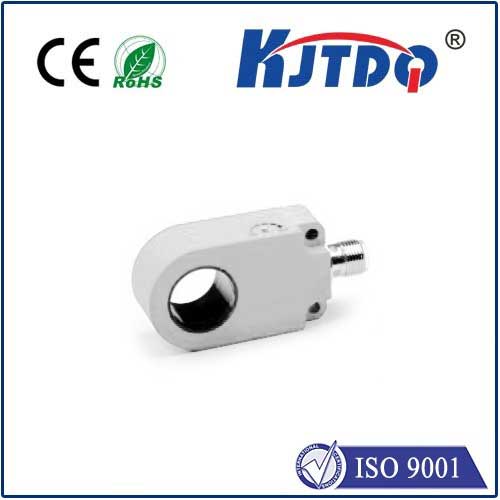
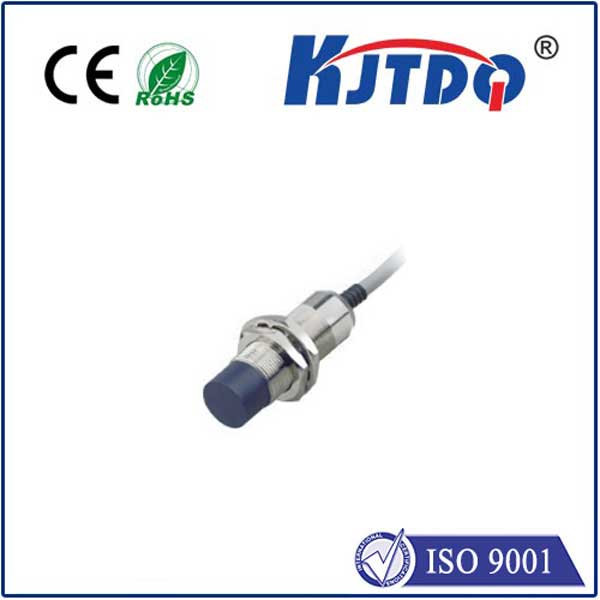
In modern industrial environments, accurate and reliable non-contact measurement is paramount for ensuring operational efficiency, safety, and quality control. Among the various technologies available, the eddy current proximity sensor stands out as a robust and versatile solution for a wide range of demanding applications. This technology operates on a fundamental electromagnetic principle, offering distinct advantages where other sensor types may fall short.
An eddy current sensor functions by generating a high-frequency electromagnetic field from an active coil within its probe. When this field interacts with a conductive target material, it induces circular electrical currents, known as eddy currents, on the target's surface. These eddy currents, in turn, generate their own opposing magnetic field, which interacts with the field from the sensor's coil. The sensor's integrated electronics precisely measure the change in the coil's impedance caused by this interaction. This change is directly correlated to the distance between the probe tip and the target. Consequently, the sensor outputs a signal that is a precise representation of the gap or displacement.
The core strength of this technology lies in its purely physical operating principle. It requires no physical contact with the target, eliminating issues of wear, friction, and mechanical loading. This makes it ideal for monitoring high-speed rotating machinery, such as turbine shafts, motors, and spindles, where it can continuously measure vibration, axial displacement, and radial runout. Furthermore, eddy current sensors are largely unaffected by intervening materials like oil, coolant, dirt, or non-conductive contaminants. This resilience allows for reliable operation in harsh industrial settings—inside gearboxes, near cutting fluids, or in foundries—where optical or capacitive sensors might fail.
Key performance characteristics define its application scope. These sensors offer exceptionally high resolution, often in the sub-micron range, and can operate at very high response frequencies, making them suitable for detecting minute and rapid changes in position. The measurement is inherently precise and stable over time, with minimal drift. However, it is crucial to note that the target material's electrical conductivity and magnetic permeability significantly influence the sensor's output and calibration. While they work excellently with metals like steel, aluminum, and copper, they are not suitable for non-conductive materials like plastics, ceramics, or glass. The effective measuring range is typically a fraction of the probe diameter, requiring careful selection for each specific task.
Typical industrial applications are diverse and critical. Beyond vibration and displacement monitoring in turbomachinery, they are extensively used for precise gap control in metal forming and rolling mills, checking part presence or thickness on production lines, and controlling the runout of precision tooling. In automated assembly, they verify the position of metal components. They also play a vital role in condition-based maintenance programs, providing early warning of bearing wear or rotor imbalance by detecting subtle changes in machinery vibration signatures.
When selecting an eddy current proximity sensor, several factors must be evaluated. The target material is the primary consideration, as it dictates the necessary calibration. The required measuring range and resolution determine the probe size and electronics specification. Environmental conditions such as temperature extremes, pressure, and exposure to chemicals will guide the choice of probe housing and cable type. Finally, the output signal format—whether analog voltage, analog current, or digital—must be compatible with the existing data acquisition or control system.
Installation and setup are straightforward but require attention to detail. The probe must be mounted rigidly to avoid introducing its own vibration into the measurement. The sensing area must be free of other conductive objects that could distort the electromagnetic field. Proper calibration using a target made of the actual application material is essential for achieving specified accuracy. Regular verification checks help maintain long-term measurement integrity.
In summary, the eddy current proximity sensor is an indispensable tool in the industrial measurement toolkit. Its non-contact nature, high precision, speed, and durability under tough conditions make it the preferred choice for monitoring the health and performance of critical rotating assets and ensuring precision in automated manufacturing processes. By providing accurate, real-time data on machine condition and part dimensions, it forms a cornerstone of modern predictive maintenance and quality assurance strategies, directly contributing to reduced downtime, improved product quality, and enhanced operational safety.