check

check

check

check

check

check
In the world of industrial automation, precision, reliability, and durability are non-negotiable. For engineers and system integrators tasked with ensuring seamless operations, the choice of sensing technology can be the difference between peak efficiency and costly downtime. Among the most trusted and widely deployed solutions is the cylindrical inductive proximity sensor. This robust device is a cornerstone in countless applications, from manufacturing assembly lines to material handling systems, offering a non-contact method of detecting metallic objects with unwavering consistency.
At its core, a cylindrical inductive proximity sensor operates on a simple yet brilliant electromagnetic principle. The sensor generates a high-frequency oscillating electromagnetic field from its face. When a metallic target—such as steel, aluminum, brass, or copper—enters this field, eddy currents are induced on the surface of the target. This action dampens the oscillation within the sensor's coil. An integrated circuit monitors this amplitude change and triggers a solid-state output switch, signaling the presence of the object. This entire process happens without any physical contact, eliminating mechanical wear and tear and enabling high-speed detection.
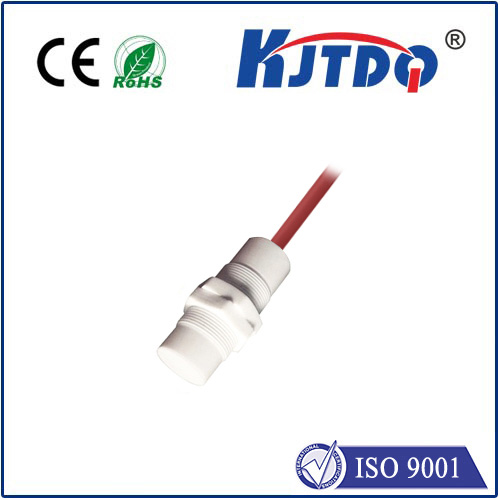
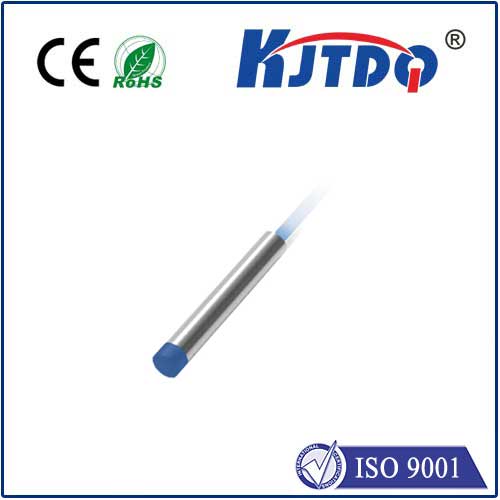
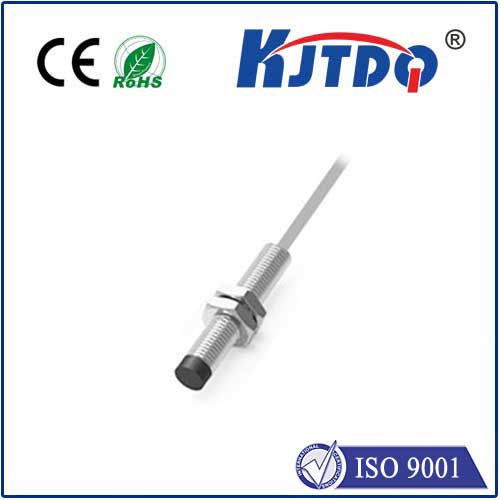
The cylindrical form factor, typically housed in a rugged stainless steel or nickel-plated brass body, is a key to its success. This design provides exceptional mechanical strength, making it resistant to impacts, vibrations, and harsh industrial environments. Many models boast high ingress protection ratings like IP67 or IP68, meaning they are shielded against dust and can withstand temporary or prolonged immersion in water. This resilience allows them to perform flawlessly in settings exposed to coolants, oils, and metal chips.
When selecting a cylindrical inductive sensor for a project, several critical specifications demand attention. Sensing range, the maximum distance at which the sensor can reliably detect a standard target, is paramount. It's crucial to note that the effective range can vary slightly depending on the target material's type and size. Factor of safety is often applied in practice. Output type is another vital consideration; sensors come in NPN (sinking) or PNP (sourcing) transistor outputs, as well as normally open (NO) or normally closed (NC) configurations, to interface correctly with different PLCs and control systems. Furthermore, the flush-mountable or non-flush-mountable design dictates installation requirements concerning surrounding metallic materials.
The applications for these sensors are virtually limitless. They are indispensable for precise position detection of machine parts, such as verifying if a cylinder is fully extended or retracted. On conveyor systems, they count metallic products, control sorting gates, and monitor for jams. In machine tools, they provide end-of-travel limits and tool presence verification. Their ability to function in dirty or wet conditions where optical sensors might fail makes them the preferred choice for heavy industry, packaging, and automotive manufacturing.
To ensure optimal performance and longevity, proper installation and maintenance are straightforward but essential. Mounting the sensor securely to minimize vibration, ensuring the correct target material and size is used for the specified range, and maintaining a clean sensing face free of debris are fundamental practices. While these sensors are famously low-maintenance, periodic checks for physical damage and output signal integrity help prevent unexpected failures.
The evolution of cylindrical inductive sensors continues, with modern versions offering advanced features like weld-field immunity for use near resistance welding equipment, extended temperature ranges, and IO-Link digital communication for smart factory integration. This connectivity allows for parameter setting, condition monitoring, and diagnostic data reporting, paving the way for predictive maintenance strategies.
In conclusion, the cylindrical inductive proximity sensor remains an irreplaceable workhorse in automation. Its combination of simple physics, rugged construction, and versatile performance provides a reliable, cost-effective solution for metallic object detection. By understanding its operating principles, key specifications, and application best practices, engineers can leverage this proven technology to build more robust, efficient, and intelligent automated systems that stand the test of time.