check

check

check

check

check

check
In the intricate world of industrial automation and electronic design, achieving precise, reliable, and non-contact detection is a fundamental requirement. Among the various technologies available, the proximity PNP sensor stands out as a cornerstone component for countless applications. This guide delves into the core principles, advantages, and practical considerations of using these essential sensors, providing a comprehensive overview for engineers, technicians, and procurement specialists.
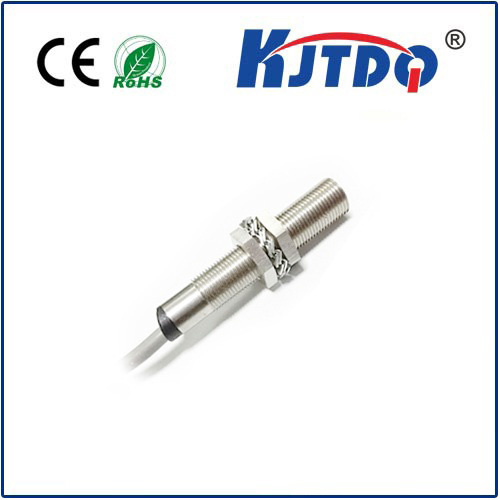
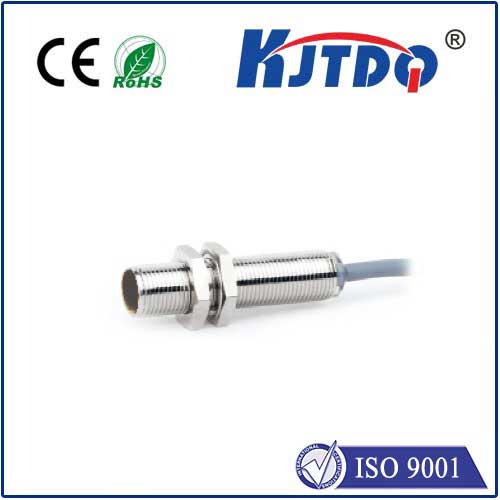
At its heart, a proximity PNP sensor is a solid-state electronic device designed to detect the presence or absence of a target object without any physical contact. It operates on the principle of electromagnetic induction or capacitive coupling, depending on the type (inductive or capacitive). The "PNP" designation refers to the transistor switching configuration used in its output circuit. In a PNP sensor, the output wire acts as the source of positive current. When the sensor detects a target within its specified range, it switches on, connecting the output terminal to the positive supply voltage, thereby allowing current to flow *from* the sensor's output *to* the load. This is often described as "sourcing" current.
The operational benefits of choosing a PNP proximity sensor are significant. Their non-contact nature eliminates mechanical wear and tear, leading to exceptionally long service life and reduced maintenance costs. They are capable of high-speed switching, making them ideal for fast-paced production lines, counting applications, and speed monitoring. Furthermore, they are highly resilient, typically housed in robust casings that protect against dust, moisture, oils, and vibrations commonly found in industrial environments like manufacturing plants, packaging machinery, and automotive assembly lines.
A key advantage of the PNP configuration is its common compatibility with programmable logic controllers (PLCs) and standard electronic circuits in many regions, particularly Europe and Asia. When integrating a PNP sensor, the load (e.g., a PLC input, relay, or indicator lamp) is connected between the sensor's output wire and the negative side of the power supply (ground). This wiring simplicity reduces installation errors. It is crucial to distinguish PNP from its counterpart, the NPN sensor, where the output acts as a ground switch. Confusing the two is a common installation mistake that prevents proper system operation.
Selecting the right proximity PNP sensor involves several critical parameters. The sensing range, which is the maximum distance at which it can reliably detect a standard target, is paramount. Material compatibility is also essential; inductive sensors detect metals, with different response factors for steel, aluminum, and copper, while capacitive sensors can detect non-metallic materials like plastics, liquids, and wood. The housing style—tubular, rectangular, or ring-shaped—must suit the mechanical constraints of the application. Environmental factors such as temperature extremes, potential washdowns, or exposure to chemicals dictate the required ingress protection (IP) rating.
In practical applications, proximity PNP sensors are ubiquitous. They are used for precise position verification of machine parts, end-of-travel limits on actuators, and detecting the presence of components on a conveyor belt. In automated systems, they provide essential feedback for robotic arm positioning and ensure safety by monitoring guard door positions. Their reliability ensures smooth, uninterrupted operations, minimizing downtime and enhancing overall productivity.
For optimal performance, correct installation and maintenance are non-negotiable. Sensors should be mounted securely to minimize vibration effects. It is vital to ensure that only the intended target material enters the sensing field, as nearby metal structures or objects can cause interference and false triggering. A regular check for accumulated debris on the sensor face and verification of the electrical connections will sustain long-term accuracy and reliability.
As technology advances, modern proximity PNP sensors offer enhanced features like increased sensing distances, improved noise immunity, and IO-Link digital communication capabilities for advanced diagnostics and parameter setting. These innovations provide deeper integration into Industry 4.0 and smart factory frameworks, offering data beyond simple on/off signals.
In conclusion, the proximity PNP sensor is an indispensable workhorse in modern electronics and automation. Understanding its sourcing operation, key selection criteria, and application best practices empowers professionals to design more robust, efficient, and intelligent systems. By making an informed choice, you ensure a foundation of reliable detection that drives operational success.